Special Election Results Deliver Warning to Republican Leadership
Democratic victories in two Florida state legislative special elections this week have exposed fractures within the Republican coalition, creating concern among party strategists just months before critical midterm contests. The wins, achieved in districts that previously supported former President Donald Trump, suggest growing voter dissatisfaction that could threaten GOP prospects in November.
Mar-a-Lago District Flips Despite Trump Endorsement
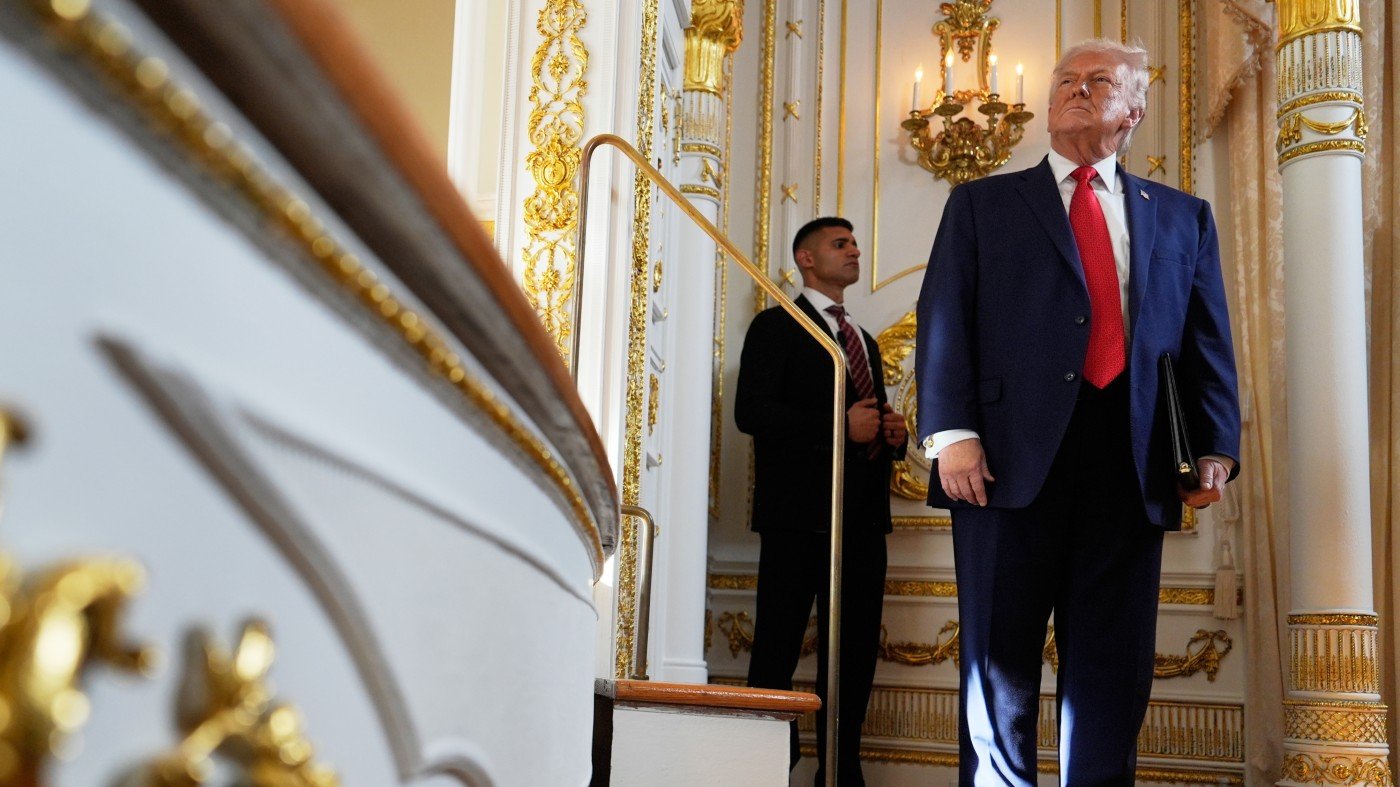
In the most symbolic result, Democrat Emily Gregory captured Florida's 87th House District, which encompasses Trump's Mar-a-Lago residence in Palm Beach County. Gregory defeated Republican Jon Maples, who had received Trump's formal endorsement in January. Notably, Trump himself cast an absentee ballot in the race—the same mail-in voting method he has repeatedly criticized as corrupt. The district had previously been represented by Republican Mike Caruso, who won it by double digits before being appointed county clerk.
"These election results send a crystal clear message: Voters do not like what the Republican Party under Donald Trump is selling, and they want it out," said Fernand Amandi, a senior adviser to Democratic gubernatorial candidate David Jolly. The outcome follows other Democratic flips in traditionally Republican Florida districts, indicating shifting political terrain.
Republican Reactions Reveal Strategic Divisions
Responses from Republican operatives highlighted internal disagreements about how seriously to interpret the losses. Some dismissed the results as anomalies typical of low-turnout special elections. "A low-turnout state House special election is a snapshot of local quirks, candidate dynamics, and turnout math—not some grand verdict," argued Republican National Committee senior adviser Danielle Alvarez.
Other Republicans acknowledged deeper problems. "This was a special election so the voters that actually turned out were motivated to send a message that they are unhappy," said Florida-based Republican lobbyist Nick Iarossi. "However, it is definitely a warning sign for Republicans that there could be rough waters ahead, depending on what the atmospherics look like in November." A former Trump staffer framed the elections as a referendum, stating, "The midterms and smaller races like this are referendums on where the American people stand on the performance of President Trump and the party generally at this point."
Broader Pattern of Democratic Gains
The Florida results extend a pattern of Democratic special election successes during Trump's second term. Last month, Democrats flipped a Texas state Senate seat Trump had won by 17 points in 2024. Throughout 2025 and last year, the party secured state and local victories in Pennsylvania, Iowa, Oklahoma, Virginia, and New Jersey. These wins have provided Democrats with measurable momentum despite facing a challenging national political environment.
In the second Florida race, Democrat Brian Nathan won a state Senate district in the Tampa area, defeating Republican state Representative Josie Tomkow. The seat had been held by Lieutenant Governor Jay Collins, who won it by nine points in 2024. Trump carried the district by just three points that same year, suggesting its competitive nature.
National Context: Iran Conflict and Economic Concerns
The electoral setbacks coincide with declining approval ratings for Trump, which hit a new low of 36% in a recent Reuters/Ipsos poll. Only 29% approved of his handling of the economy. The ongoing U.S. military operation in Iran has driven up gas prices and created pressure on global markets, with the administration maintaining the increases are temporary. The conflict has also exposed fissures within conservative media and the Republican coalition regarding foreign policy, as some figures like Senator Lindsey Graham have urged a shift toward negotiations.
Republican consultant Matt Beynon downplayed divisions, suggesting, "Sometimes I think folks need to be a little less online and a little more in the real world, and when the real world takes a look at this, the party's pretty united behind the president." However, he acknowledged the challenge of motivating voters: "If the Republican Party is going to be the party of lower propensity voters, then we need to work really hard to make sure those voters get out to the polls."
Looking Toward November
Generic ballot polling remains competitive, with Democrats holding a narrow lead in averages. The combination of economic anxiety fueled by higher energy costs, foreign policy disagreements, and demonstrable electoral vulnerabilities presents a complex landscape for Republican strategists. As the administration contends with these challenges—including policy adjustments to address gas prices and internal debates over surveillance authority—the Florida results serve as a tangible indicator of the political headwinds facing the GOP as it prepares to defend its congressional majorities.