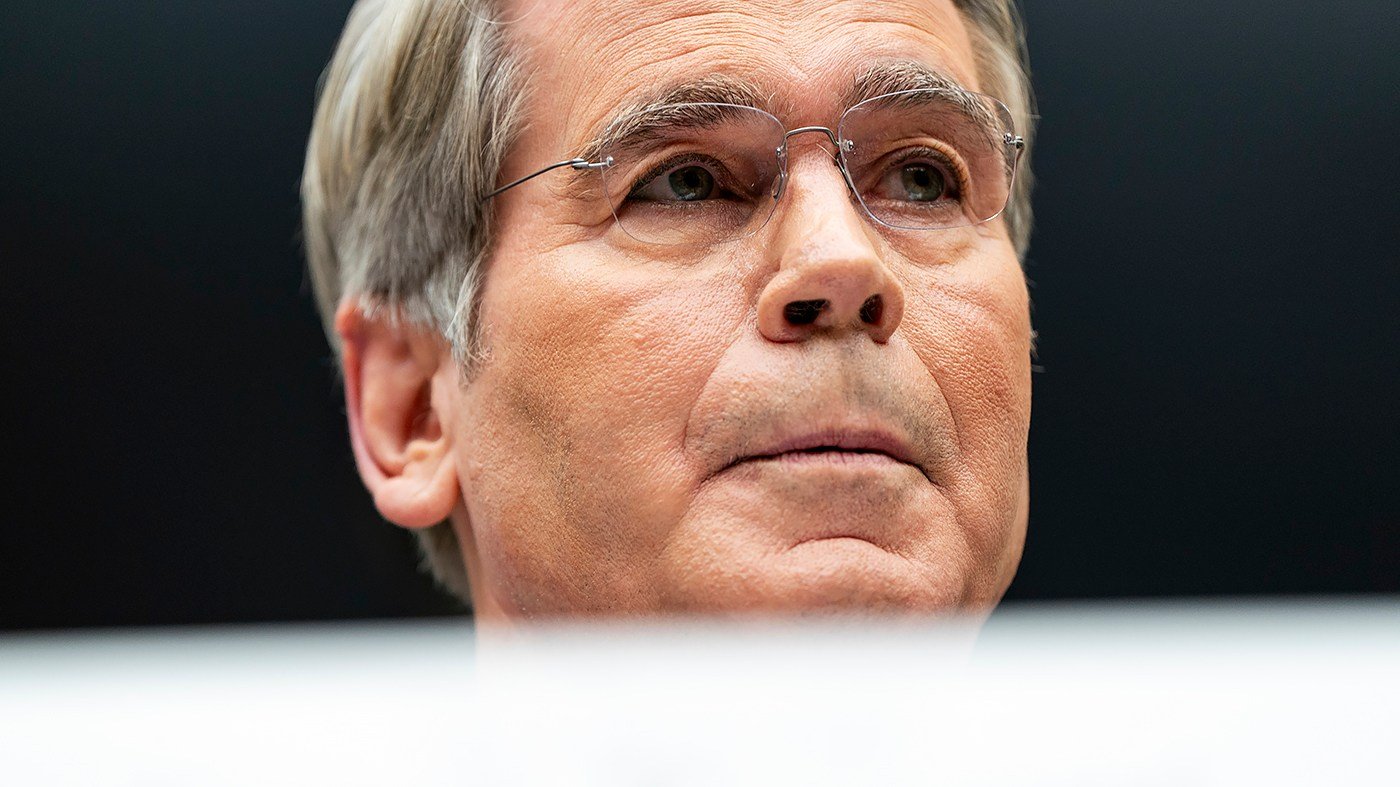
The Supreme Court's recent expansion of President Trump's authority to fire independent agency officials has now reached the nation's mine safety apparatus. Moshe Marvit, who was dismissed from the Federal Mine Safety and Health Review Commission (FMSHRC), moved on Wednesday to voluntarily withdraw his lawsuit challenging his removal. While he disagrees with the high court's reasoning, Marvit acknowledged that the decision effectively strips the commission of its independence.
“I brought this case to protect an institution that miners rely on, that can literally serve as the difference between life and death for mine workers,” Marvit said in a statement. “I hope that future presidents and Congress will again make miner safety a priority and actively improve the condition of miners, rather than using miners as a political talking point while in fact making their working conditions less safe.”
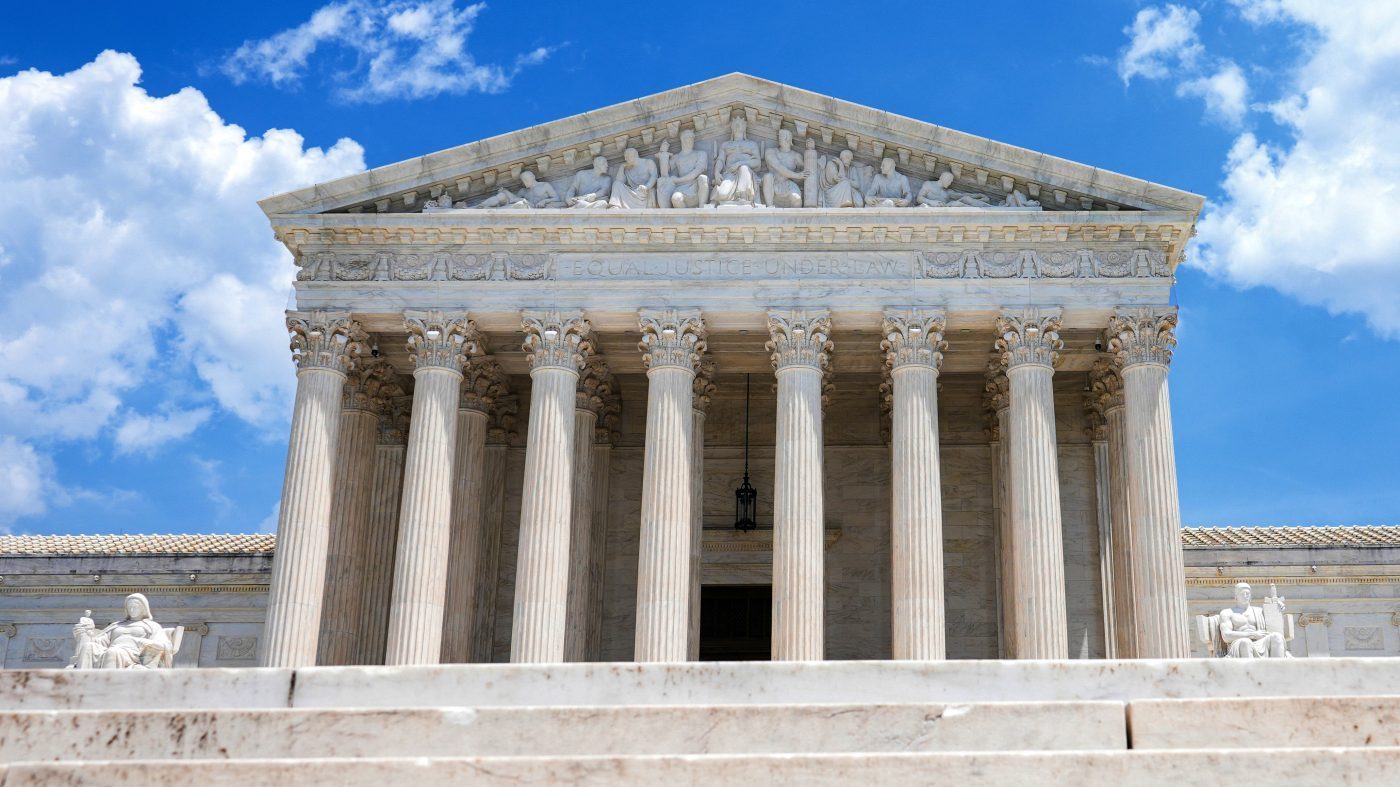
Marvit is among a growing number of fired leaders of independent agencies who have conceded defeat after the Supreme Court overturned 91 years of precedent that had protected them from at-will dismissal. In June, the 6-3 conservative majority ruled in Trump v. Slaughter that such protections infringe on the president's constitutional power to remove executive officers. That ruling has enabled Trump to proceed with his broader campaign to purge independent agencies across the government, including those overseeing labor disputes, product recalls, credit unions, and air crash investigations.
The FMSHRC adjudicates safety enforcement actions and civil penalties against mine operators who violate federal safety laws. Marvit, an attorney known for his writing on workers' rights, was appointed to the commission by former President Biden. He sued after a Trump aide notified him in May that he was being terminated.
“While the Commission still exists, it is no longer independent and is now — thanks to the President's firing of me and the Supreme Court majority's decision in Slaughter — subject to the political influence that Congress deliberately sought to avoid,” Marvit said.
His legal representation, the firm Katz Banks Kumin, echoed those concerns. Attorney Hugh Baran warned that the ruling undermines the commission's credibility. “Now with the fear of removal hanging over Commissioners' heads if they decide against the president's preferred outcome, the FMSHRC will no longer be a trusted arbiter of disputes between industry and miners — and miners' safety will suffer,” Baran said.
Baran went further, stating: “Make no mistake: more miners will die or be seriously injured on the job because of the Supreme Court majority's decision in Slaughter.”
The case is one of several legal battles that have collapsed in the wake of the Supreme Court's ruling. The decision has already had ripple effects across the federal bureaucracy, with data centers facing bipartisan backlash and other independent agencies bracing for potential purges. The Trump administration has also moved on other fronts, including defending its tariff pause on beef amid lobbying reports, and signing a short-term funding bill to avert a shutdown. As the administration continues to assert control over independent agencies, the fate of commissions like the FMSHRC remains a flashpoint in the broader battle over executive power.