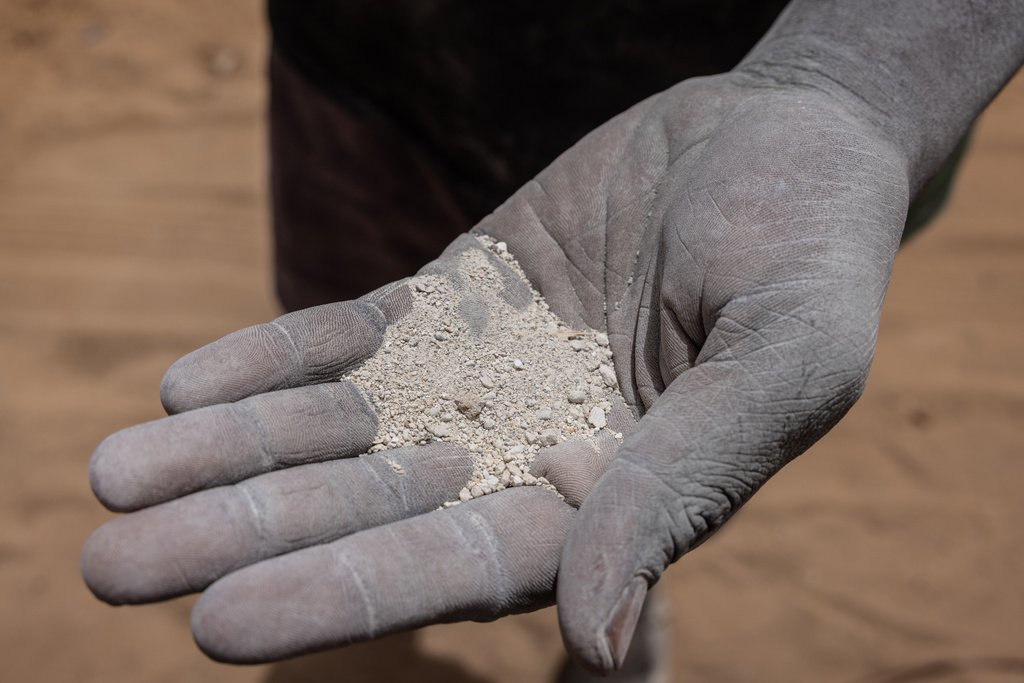
The cost of fertilizer, a critical input for nearly all food production, has skyrocketed in recent months, driven by the ongoing Iran War. Roughly 30% of the world's fertilizer supply transited the Strait of Hormuz before the conflict effectively closed the waterway. As of late May, the Associated Press reported a 40% price spike over just three months, with a rice farmer in Arkansas seeing his fertilizer costs jump by $50 per acre—adding $200,000 to his season's expenses.
“Everything else equal, we expect to see higher prices for corn, soybeans, wheat, potatoes, strawberries—everything that uses fertilizer,” said Dan Scheitrum, an agribusiness professor at Cal Poly’s College of Agriculture. The USDA estimates fertilizer accounts for 33% to 44% of operating costs for corn and 43% to 45% for wheat, making those crops particularly vulnerable.
Farmers face limited options. Some can reduce planted acreage, but that’s not feasible for perennial crops like vineyards or orchards. Cutting back on fertilizer use risks smaller yields, which in turn pushes consumer prices higher. “Maybe you won’t plant as many acres of corn or soybeans or potatoes, but that isn’t really an option for growers, particularly in California, that have orchards or perennial crops where they can’t really cut back on the planted acres,” Scheitrum noted.
The ripple effects extend to meat prices. The U.S. grows vast amounts of corn and soybeans, most of which goes to animal feed. “The corn that we grow, most of it is for animal feed. This goes to cows, hogs, poultry, and it’s a main component of the cost of producing beef, corn, chicken,” Scheitrum added. More expensive feed means higher costs for meat at the grocery store.
Fertilizer prices have eased slightly in recent weeks, and Scheitrum said they could drop further if the Iran War ends. But the damage may already be done for this planting season. Many farmers have either gone without needed fertilizer or paid exorbitant prices for both fertilizer and fuel. The U.N. World Food Program warns of a “devastating impact” on crop yields, with consequences for food prices and availability lasting months.
Fertilizer isn’t the only factor driving up food costs. High gas prices have raised trucking expenses, and the U.S. is experiencing its worst wheat crop in decades. Drought has pushed beef prices higher, and fears over the New World screwworm threaten to exacerbate the situation. On-and-off tariffs have added uncertainty and volatility over the past 18 months.
These pressures have contributed to inflation hitting its highest level in three years last month. Food prices rose about 3% year-over-year, with fruits and vegetables up 6% and tomatoes alone costing 32% more. The broader economic picture, including rising financial anxiety under current policies, suggests consumers will continue to feel the pinch.