Suspect in Pre-Jan. 6 Pipe Bomb Plot Confronts Enhanced Charges
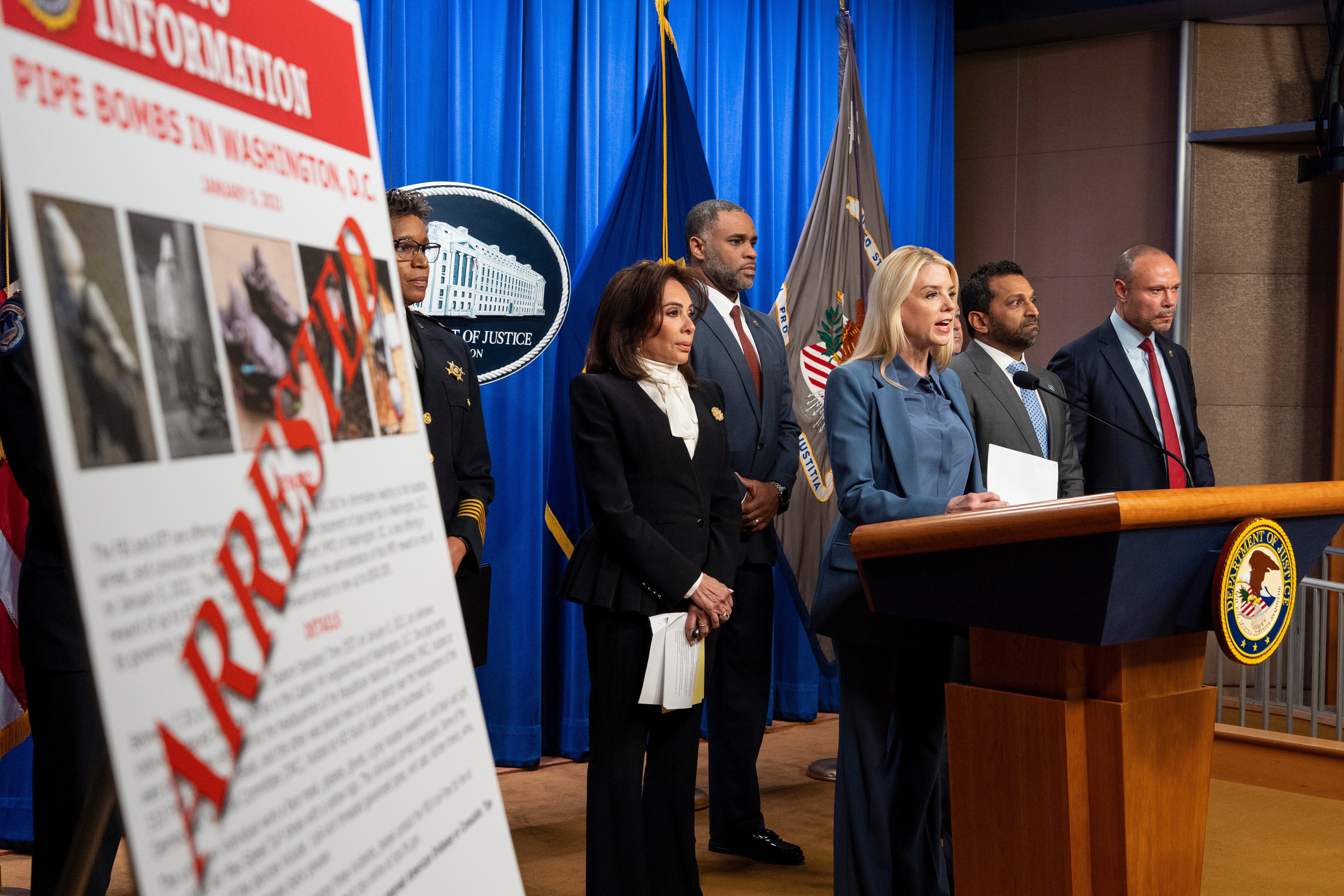
Federal prosecutors have escalated their case against the individual accused of placing explosive devices outside the headquarters of both major political parties on the eve of the Capitol riot. A superseding indictment unsealed Wednesday adds two serious felony counts to the existing charges against Brian Cole Jr.
The new charges are attempting to use a weapon of mass destruction and committing an act of terrorism while armed. Cole, who was arrested in December following a multi-year investigation, has not yet been arraigned on these additional counts. They supplement two prior explosives-related charges.
Details of the Alleged Plot
Authorities allege Cole planted two viable pipe bombs outside the Democratic and Republican National Committee offices on January 5, 2021. The devices were discovered, undetonated, the following day as a pro-Trump mob stormed the U.S. Capitol to disrupt the certification of the 2020 presidential election.
According to court filings, Cole provided investigators with a "detailed confession" after his arrest. He allegedly stated he acted because he believed someone needed to "speak up" for those who thought the election was stolen from former President Donald Trump, and that he targeted the two parties because they were "in charge."
Legal Strategy Invokes Trump Clemency
Cole's defense has introduced a novel legal argument, suggesting the alleged conduct is covered by the sweeping pardons Trump issued on his first day back in office. That clemency action granted a "full, complete and unconditional pardon" to individuals charged or convicted for offenses "related to events that occurred at or near the United States Capitol on Jan. 6, 2021."
The Justice Department has forcefully rejected this claim, asserting Cole is "categorically excluded" from the pardon's scope. A judge has not yet ruled on this motion. The legal maneuver underscores the ongoing political reverberations from the Capitol attack, as seen in other contentious debates like the House's struggle to reauthorize FISA surveillance powers.
Cole has pleaded not guilty to the initial charges and remains in pre-trial detention. A hearing on the status of the case is scheduled for Tuesday.
Broader Political Context
The case sits at the intersection of domestic terrorism, election denialism, and presidential power. The new terrorism charge signals the gravity with which prosecutors are treating the alleged attempt to intimidate the nation's political infrastructure. This development occurs as political figures continue to navigate the fallout from the January 6 period, with some facing their own controversies, such as the recent resignation of a Democratic congressman amid misconduct allegations.
The nearly five-year investigation that led to Cole's arrest highlights the prolonged effort to hold individuals accountable for actions surrounding the Capitol breach. The prosecution's decision to pursue a weapon of mass destruction charge indicates a strategic effort to seek a severe penalty, reflecting the potential danger of the undetonated devices.
As the 2024 election cycle intensifies, the case serves as a stark reminder of the violent extremism that emerged from the 2020 election disputes. The political environment remains charged, with figures already signaling their ambitions for the post-2024 landscape. The outcome of this prosecution will be closely watched for its implications on justice and accountability related to January 6.