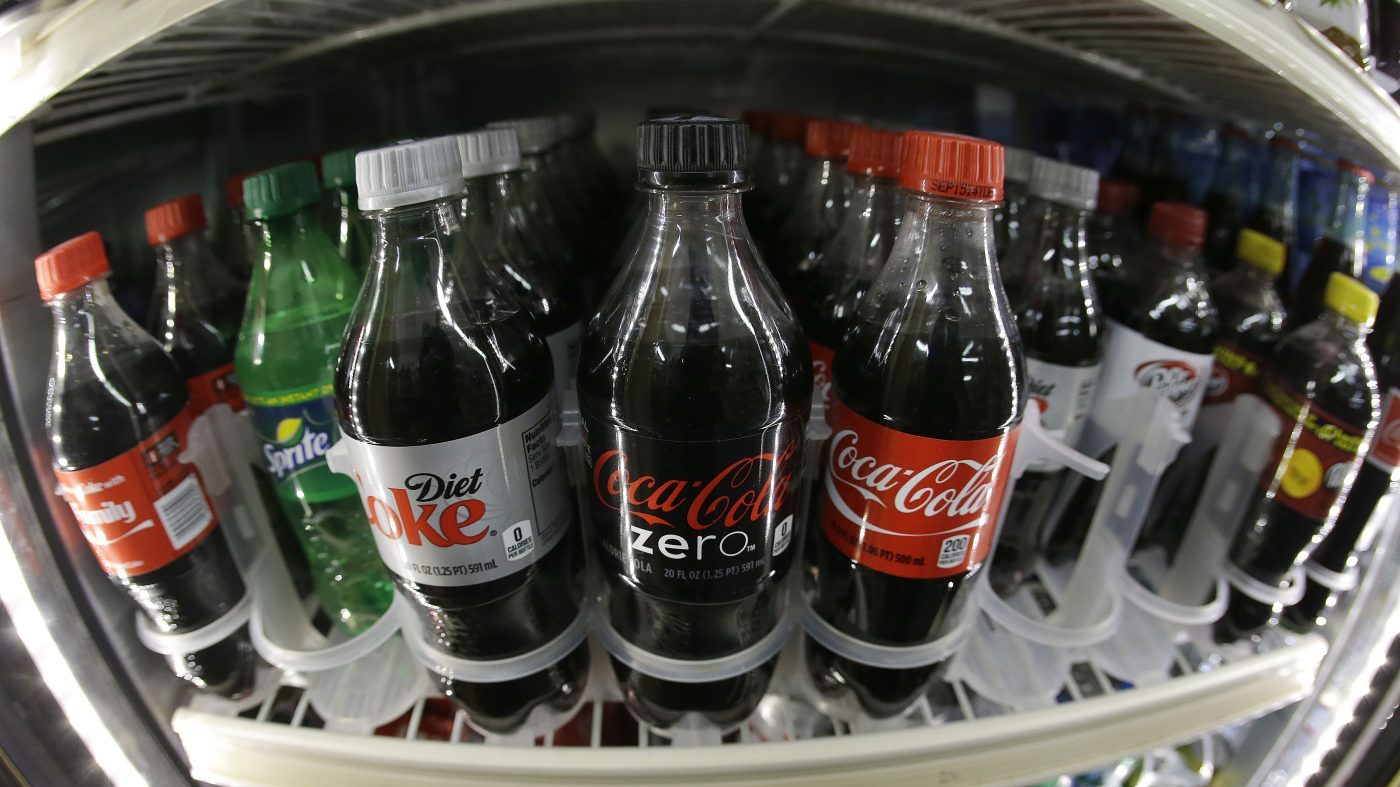
A federal judge dealt a significant blow to the Trump administration’s push to reshape the Supplemental Nutrition Assistance Program (SNAP), blocking bans on using benefits to buy soda, candy, and other items deemed unhealthy. The ruling, issued Monday by U.S. District Judge Amy Berman Jackson, rescinded approvals that had allowed states to bypass long-standing U.S. Department of Agriculture (USDA) policy on eligible purchases.
The controversy traces back to late last year, when Health Secretary Robert F. Kennedy Jr. and Agriculture Secretary Brooke Rollins urged states to restrict certain foods from the $100 billion federal program. Kennedy’s “Make America Healthy Again” agenda drove the effort, with the administration arguing that limiting sugary drinks and sweets would improve public health outcomes. Several states quickly submitted requests to the USDA for waivers to implement their own bans, which the agency approved.
Critics, including nutrition advocates and civil liberties groups, argued the restrictions were arbitrary and overstepped federal authority. They noted that SNAP already limits purchases to food items, and that singling out specific products like soda or candy creates confusion and stigmatizes low-income recipients. Judge Jackson’s ruling sided with these challengers, finding that the USDA lacked the legal basis to grant the waivers.
The decision is a setback for the administration’s broader efforts to tie health policy to federal nutrition assistance. Kennedy had championed the restrictions as a cornerstone of his agenda, linking them to his ongoing campaign against processed foods. Meanwhile, Rollins had framed the move as a matter of fiscal responsibility, arguing taxpayer dollars should not fund items with little nutritional value.
Political reactions were swift. Supporters of the ban, including some Republican state officials, condemned the ruling as judicial overreach that undermines state flexibility. They pointed to rising obesity rates and diet-related diseases as justification for tighter controls. On the other side, Democratic lawmakers and anti-hunger organizations applauded the decision, warning that such bans would have disproportionately harmed low-income families and created administrative burdens for retailers.
The ruling also intersects with other contentious policy debates within the Trump administration. For instance, the White House has been navigating internal GOP divisions over spending and defense priorities, as seen in recent clashes over the SAVE Act and Iran war funding. Meanwhile, the administration’s relationship with Congress remains strained, with figures like Senator Cassidy facing heated exchanges with Trump over foreign policy votes.
Judge Jackson’s order effectively restores the status quo, allowing SNAP recipients to continue using benefits for soda and candy in the affected states. However, the legal battle is far from over. The administration could appeal, or Congress could attempt to legislate new restrictions through the farm bill, which governs SNAP policy. For now, the ruling provides a temporary reprieve for those who rely on the program to feed their families.
The case underscores the ongoing tension between federal oversight and state experimentation in social welfare programs. As the Trump administration pushes its health agenda, the judiciary remains a key arena where these policies face scrutiny. The outcome of this dispute could have lasting implications for how SNAP benefits are used and what role the government plays in shaping dietary choices.