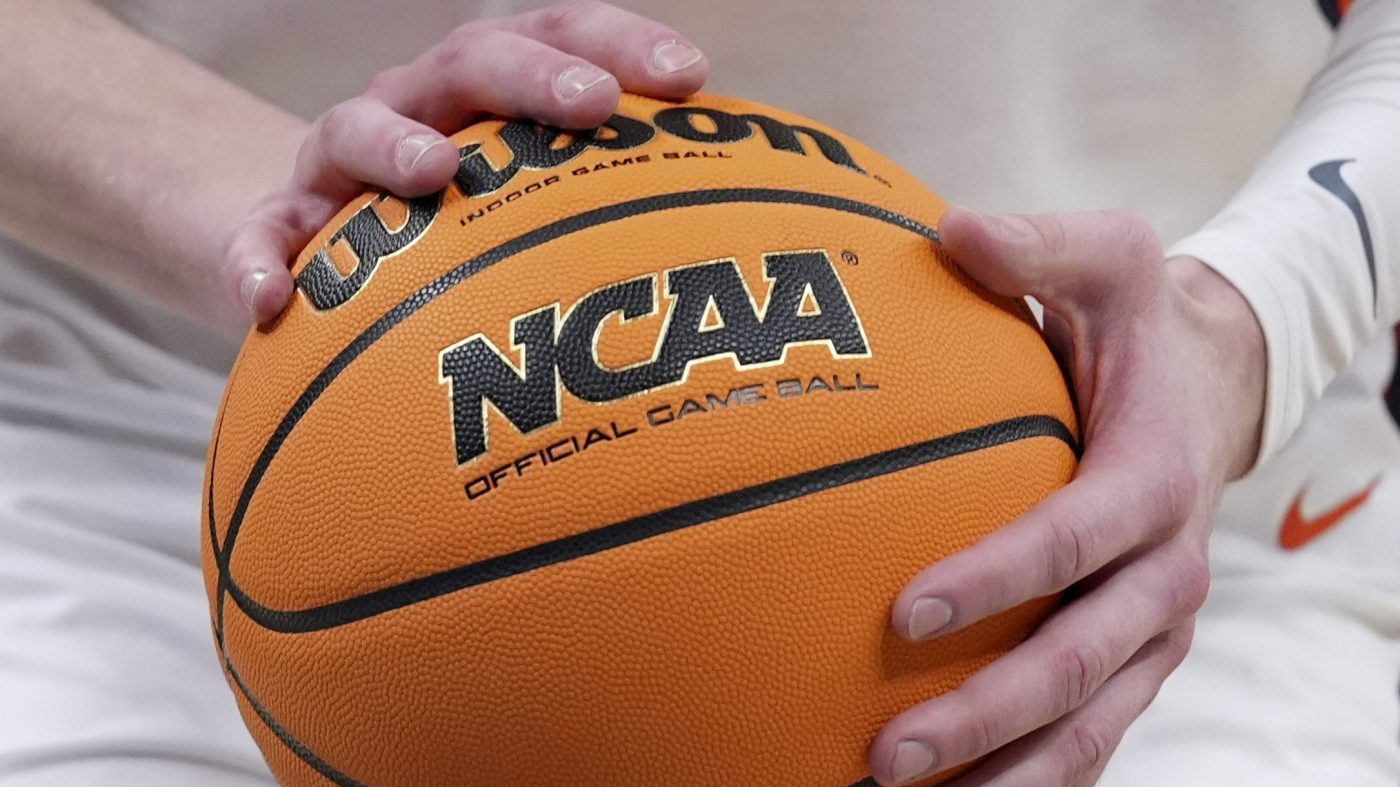
A federal judge has rejected the National Collegiate Athletic Association's emergency legal attempt to prevent sports betting operator DraftKings from using its tournament trademarks, including "March Madness," to promote wagers. The ruling represents a significant setback for the collegiate sports governing body as it seeks to legally distance itself from the rapidly expanding gambling industry.
Court Finds No Immediate Harm
U.S. District Judge Tanya Walton Pratt, presiding in the Southern District of Indiana, denied the NCAA's motion for a temporary restraining order on Thursday. In her decision, Judge Pratt found that the association had not demonstrated how DraftKings' use of the terms would cause "irreparable harm"—a critical legal threshold for such emergency measures. The NCAA's broader trademark infringement lawsuit, however, remains active and will proceed through the normal litigation process.

"With further discovery the NCAA may be able to show they are entitled to a preliminary or permanent injunction, and those claims remain pending," Judge Pratt wrote in her order. This leaves the door open for the NCAA to pursue its case through standard legal channels, though it must now do so without the immediate relief it sought.
NCAA's Core Argument
The NCAA filed its lawsuit on March 20, asserting ownership of trademarks including "March Madness," "Final Four," "Elite Eight," and "Sweet Sixteen," which it claims to have first adopted in the 1980s. The association argued that DraftKings' use of these marks for gambling promotion creates consumer confusion and falsely suggests an affiliation between the NCAA and the sports betting industry.
"When consumers encounter the NCAA Basketball Marks in connection with DraftKings' gambling services, they are likely to perceive an affiliation between the NCAA and the gambling industry, thereby distorting the NCAA's identity and undermining decades of deliberate efforts to promote policies, programs, and public messaging designed to separate collegiate athletics from commercial gambling," the NCAA stated in its complaint. This position reflects the organization's longstanding public stance against sports wagering, though that stance has grown more complicated as legalization spreads.
DraftKings' Defense and Broader Context
In its court filing responding to the lawsuit, DraftKings countered that it has openly used "March Madness" and related terminology to identify NCAA tournament events since 2021. The company also noted that the two organizations have corresponded about trademark issues for years, and claimed the NCAA had never previously objected to this specific usage beyond a complaint about "March Mania" several weeks ago.
The legal clash occurs against the backdrop of massive financial stakes. According to the American Gaming Association, Americans are projected to legally wager approximately $3.3 billion on the NCAA men's and women's Division I basketball tournaments this year. Sports betting is now legal in a majority of states and Washington, D.C., though it remains prohibited in about a dozen states including California, Texas, and Utah. This rapid legalization has created new tensions between sports leagues, regulatory bodies, and betting operators.
The ruling follows a pattern of federal courts weighing in on high-stakes commercial disputes. Recently, a federal judge halted the Pentagon's designation of an AI firm as a supply chain risk, demonstrating the judiciary's role in checking administrative actions. Similarly, another judge dismissed an antitrust lawsuit filed by X against an advertiser coalition, showing how courts are navigating complex commercial relationships in evolving industries.
What Comes Next
With the temporary restraining order denied, DraftKings can continue using the contested terminology during the ongoing NCAA tournament. The case now moves into the discovery phase, where both sides will gather evidence to support their positions for a potential preliminary or permanent injunction hearing. The NCAA's ability to prove trademark dilution and consumer confusion in the context of legal sports betting—a relatively new landscape—will be central to its case.
The outcome could have implications beyond this specific dispute, potentially affecting how other sports organizations protect their trademarks in the gambling era. As legal wagering continues to expand, similar conflicts between legacy sports institutions and betting operators are likely to emerge. The massive betting activity around the tournament, detailed in our report on how March Madness wagers are hitting record levels despite state-level resistance, ensures these issues will remain financially and legally significant.