For those who came of age around the 1980s, the September 11 attacks were a generational earthquake. Most still recall exactly where they stood when the planes hit, and the aftershocks reshaped American governance. In the wake of that failure, Washington created the Office of the Director of National Intelligence (ODNI) and the Department of Homeland Security—institutional bulwarks meant to ensure the U.S. would never again miss a brewing threat. But as time passes, memory fades, and with it the urgency that drove those reforms.
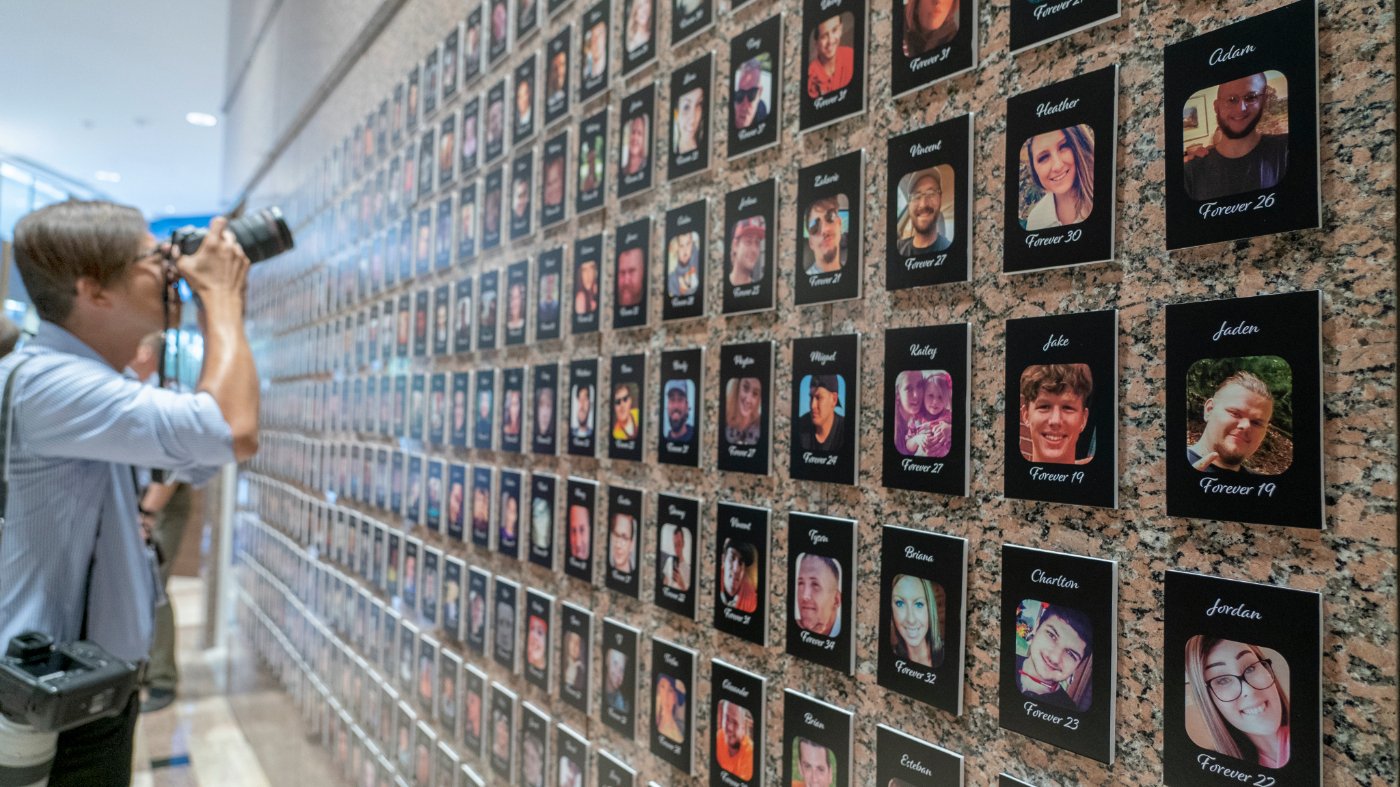
Jim Crotty, former deputy chief of staff at the Drug Enforcement Administration, now sees the same pattern playing out in America’s response to the drug crisis. Overdose deaths have fallen sharply in recent months, yet more than 70,000 Americans still died from overdoses in the latest 12-month period. Overdoses remain the leading cause of death for Americans aged 18 to 45. Meanwhile, federal funding for prevention, treatment, and recovery programs faces growing uncertainty, and new, highly toxic substances—medetomidine, nitazenes, and orphines, a class of synthetic opioids ten times more potent than fentanyl—continue to enter the illicit supply.

“It is difficult to fix public attention on complex public health issues, particularly in an era marked by same-day delivery and 24-hour news cycles,” Crotty writes. In 2022, Americans were already growing inured to the crisis of powerful synthetic drugs like fentanyl and methamphetamine becoming endemic. Stanford addiction researcher Wayne Kepner has suggested the nation may be approaching a “stable floor”—the moment when the overdose death rate “stops being treated as an emergency and starts being treated as the cost of doing business in modern society.”
This dynamic mirrors what Crotty witnessed in counterterrorism. Years ago, during an interview for a role at the National Counterterrorism Center, a panelist asked him to name the greatest terrorist threat to the U.S. He didn’t cite ISIS or al Qaeda. Instead, he argued that complacency was the clearest danger. “As time passed and memories faded, so too did the sense of urgency and vulnerability that defined the years after 9/11,” he recalls. “And with that, we risk returning to the conditions that made 9/11 possible.”
Now, with overdose deaths falling, the same risk looms. “It is far too soon to ‘spike the football,’ ‘take our foot off the gas’ or ‘declare victory,’” Crotty warns. The challenge is ensuring that those admonitions are matched by continued investment in the strategies that got the country to this point. Evidence-based prevention programs reduce the likelihood that young people will begin using drugs. Harm reduction measures—syringe service programs, naloxone distribution, and drug-checking tools—save lives and reduce the spread of infectious disease. Medication-assisted treatment for opioid use disorder, including buprenorphine, methadone, and naltrexone, helps people achieve and sustain long-term recovery.
Crotty argues that now is the time to double down on the full spectrum of prevention, harm reduction, treatment, and recovery efforts. “If 9/11 and the Global War on Terrorism taught us anything, it is that progress can breed complacency just as easily as it breeds confidence,” he writes. The drug crisis may be entering a new phase, but it is far from over. Tens of thousands of Americans are still dying every year, and the illicit drug market continues to evolve.
“We should acknowledge and celebrate the gains we have made, but we must also remain vigilant,” Crotty concludes. “The greatest threat to sustaining these gains is not fentanyl, nitazenes or whatever drug comes next—it is complacency.”