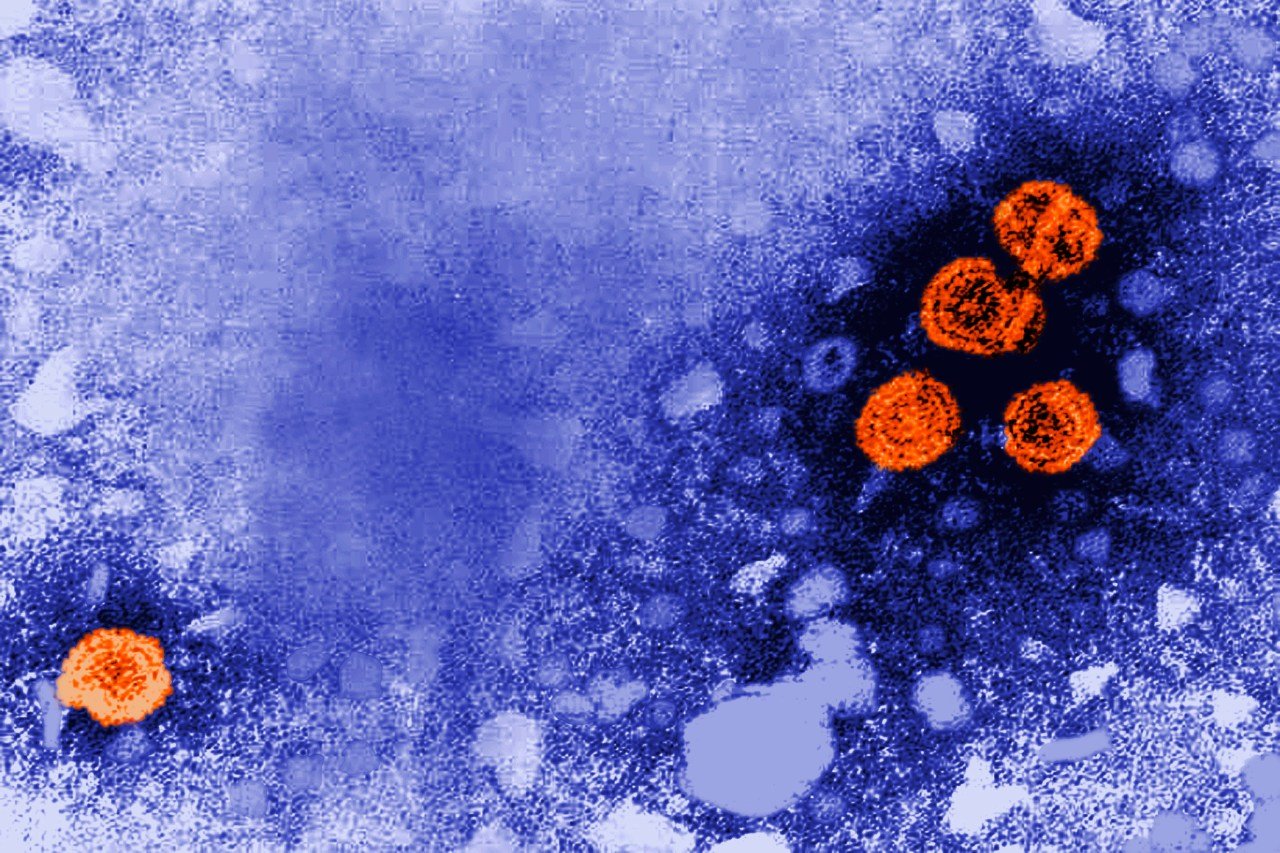
An experimental drug for hepatitis B is showing early signs of delivering what researchers call a 'functional cure' for some patients, allowing them to stop treatment without the virus returning. The findings, presented Thursday at a scientific meeting in Barcelona and published in the New England Journal of Medicine, mark a potential breakthrough in managing a disease that kills over a million people annually.
The drug, bepirovirsen—developed by GSK and Ionis Pharmaceuticals—targets the virus's genetic material, suppressing replication and boosting immune response. In two international studies involving 1,838 patients, about one in five who received weekly injections of bepirovirsen for six months saw their virus levels drop to undetectable and stay that way for another six months after stopping all medication. No patients in the placebo group achieved this result.

'We have not had a treatment which has come to this level of cure,' said Dr. Seng Gee Lim of the National University Health System of Singapore, a lead investigator on the GSK-funded trials. He noted that patients who started with lower levels of a key viral protein, the S protein, were more likely to respond, though further research is underway to understand why some patients do not.
Chronic hepatitis B, which affects about 1.7 million Americans and 250 million people globally, can lead to liver cancer or liver failure. Current treatments, often daily pills, can suppress the virus but rarely eliminate it because the virus can hide in the body and rebound if therapy stops. The new approach aims to change that, offering a potential alternative to lifelong medication. Improvements to existing therapy have been sought for decades, particularly in regions where access to consistent care is limited.
The U.S. Food and Drug Administration has granted bepirovirsen fast-track review, with a decision expected by October. Regulators in Japan, China, and Europe are also evaluating the drug. Dr. Anna Lok, a hepatitis expert at the University of Michigan who was not involved in the research, called the findings 'a major step' but cautioned that more study is needed to determine how long the remission-like state lasts. GSK vice president Melanie Paff said the company has tracked a small number of patients from earlier studies and found most still faring well up to three years later.
Side effects were generally mild, including injection-site redness or pain and a temporary rise in liver enzymes that can indicate stress. The trials excluded patients with cirrhosis or high S protein levels, leaving questions about the drug's effectiveness in more complex cases. Lok noted that these limitations mean the results may not apply to all chronic hepatitis B patients.
The development comes amid broader efforts to tackle infectious diseases, though it remains to be seen how bepirovirsen will fit into global health strategies. For now, the drug offers a glimmer of hope for a condition that has long resisted a cure. As researchers continue to refine the approach, the focus shifts to whether this functional cure can be sustained over the long term and made accessible to those who need it most.