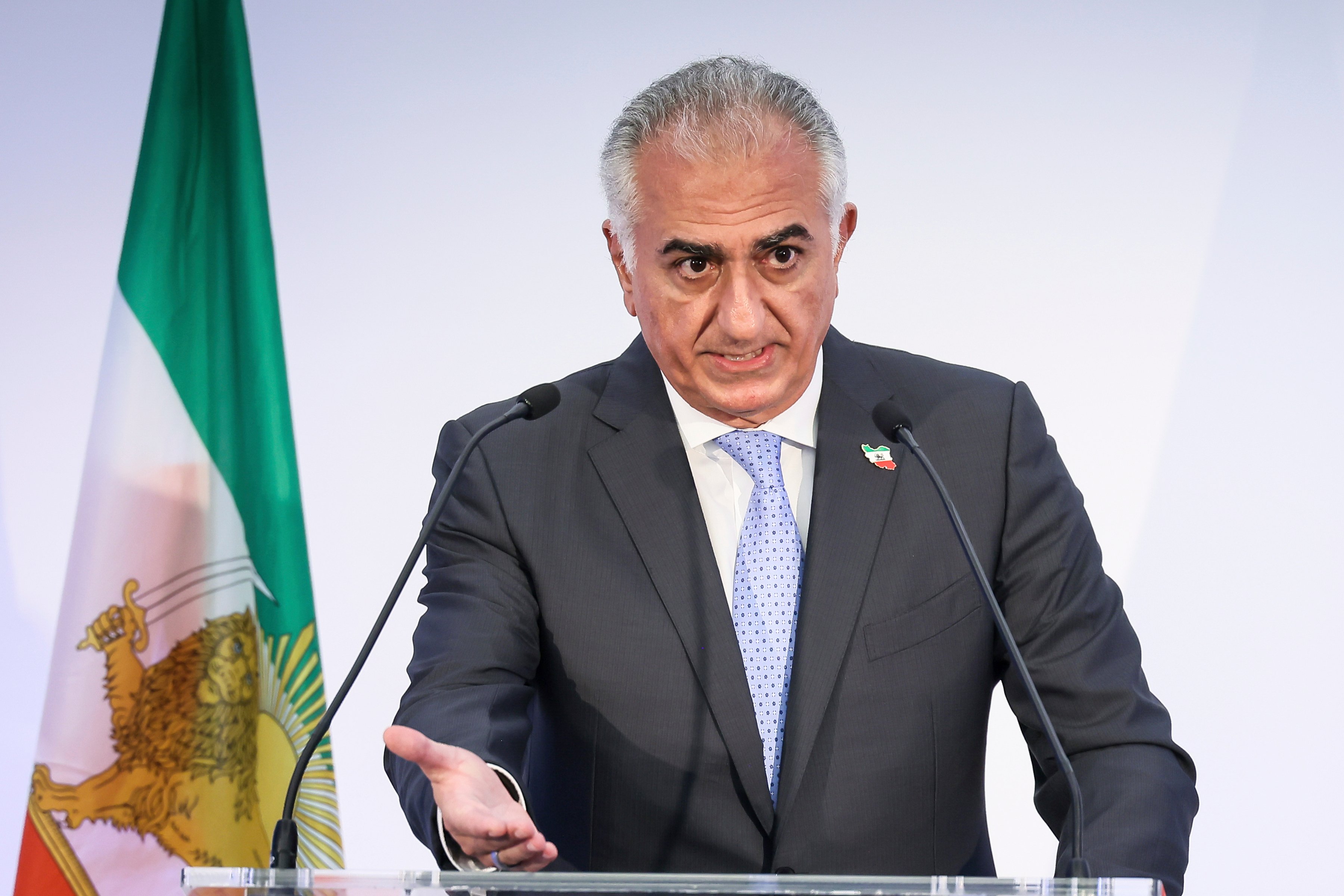
Reza Pahlavi, the exiled son of Iran's last monarch, delivered a pointed address to the Conservative Political Action Conference on Saturday, framing the collapse of the Islamic Republic as imminent and positioning himself as a figure to guide the country toward democracy. Speaking in Grapevine, Texas, Pahlavi argued that sustained American military and political pressure is crucial to enabling the Iranian people to overthrow the current government.
A Call for Sustained Pressure
Pahlavi's speech came against a backdrop of escalating regional conflict, including a recent missile attack by Iran-backed Houthi forces on Israel. He explicitly urged the United States to "stay the course" in its operations against Tehran. "Do not throw this crumbling regime a lifeline," he warned the conservative audience. "Pave the way for the Iranian people to finish the job."
He praised the Trump administration's military actions, which included a February strike that killed Supreme Leader Ayatollah Ali Khamenei. That attack, which also reportedly injured Khamenei's son and successor Mojtaba, represented a significant escalation. Pahlavi framed such strikes as necessary, stating, "A free Iran is not a fantasy. A free Iran is within reach right now, but as we all know, freedom never comes free."
Positioning for a Post-Regime Role
Central to his address was a direct pitch to lead Iran during a transitional period. "Millions of Iranians have called on me to lead the transition to democracy," Pahlavi claimed. "I have accepted that call not to serve myself, but to serve my nation and my people." His proposal involves overseeing an interim government that would organize democratic elections, a plan he suggests has popular support inside Iran following years of protest and violent crackdowns.
He sought to distance his ambitions from a simple restoration of monarchy, arguing the public would reject a mere swap of autocrats. "There is a sea of blood between the people and the regime," he said, referencing an activist report claiming over 6,000 were killed in the government's response to protests last year. "After all the massacres, after all they have sacrificed, they will never agree to swap one tyrant for another."
Regional Context and U.S. Policy
The speech intersected with ongoing tensions between Washington and Tehran. Just days before, President Trump had announced an extension of a pause on striking Iranian energy infrastructure. However, that move was quickly overshadowed when Iranian Foreign Minister Abbas Araghchi accused Israel of violating the understanding with strikes on major steel plants, vowing retaliation against joint U.S.-Israeli operations.
This cycle of action and threatened reprisal underscores the volatile environment. Analysts have noted the risks of a widening conflict, with some urging more targeted U.S. policies that pressure the regime without alienating the civilian population. Pahlavi's appeal is designed to align with the hawkish stance of his CPAC audience, presenting regime change as both a moral imperative and a strategic necessity for regional stability.
He concluded with a vision of alliance, stating, "When it is done, a free and democratic Iran will stand alongside the United States as a partner, an ally and a friend." Mirroring Trump's slogan, he added, "President Trump is making America great again. I intend to make Iran great again." His appearance signals how Iranian opposition figures are actively courting specific political constituencies in the U.S., betting on continued confrontation as the fastest path to ending the Islamic Republic's rule.