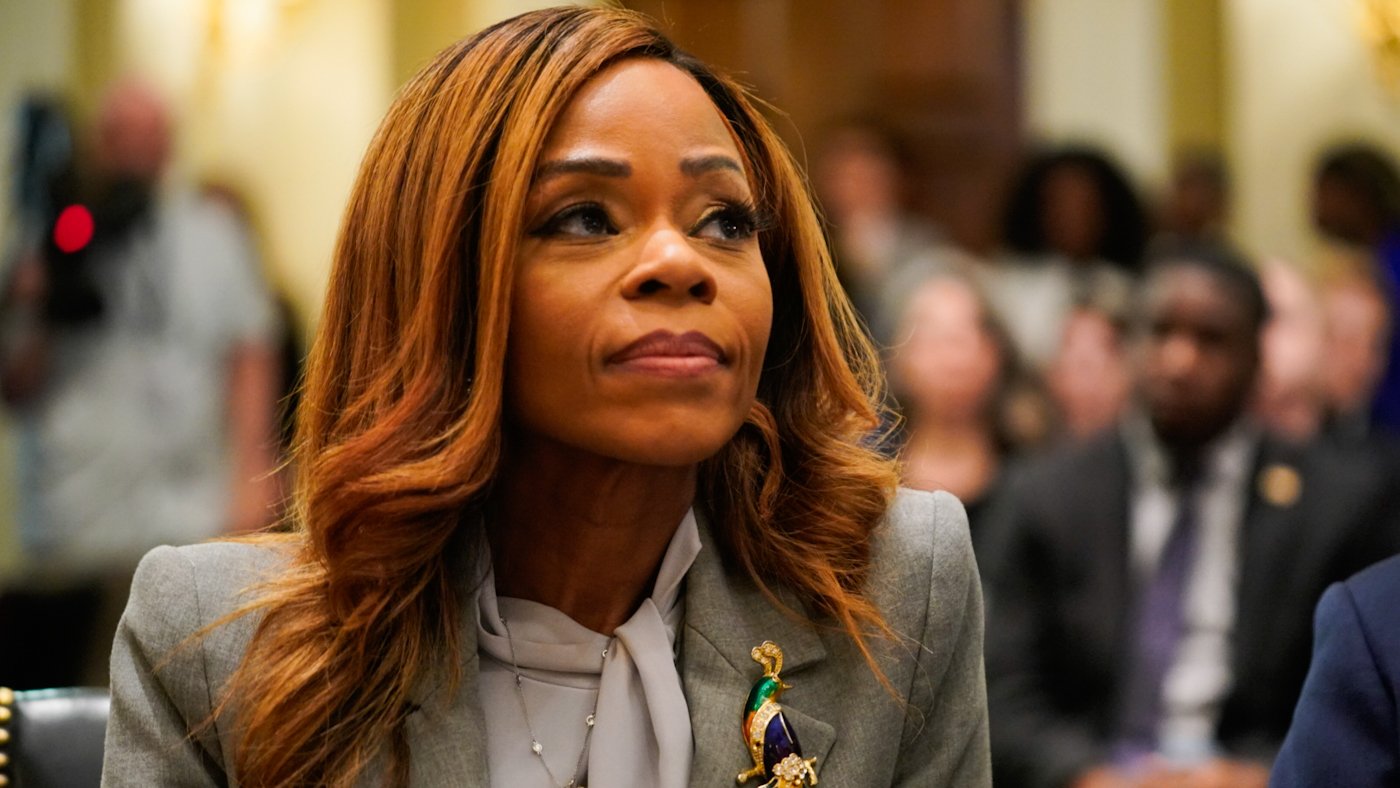
The House Ethics Committee's adjudicatory panel announced Friday that it had substantiated the vast majority of ethics charges against Florida Democratic Representative Sheila Cherfilus-McCormick. The findings conclude that the congresswoman committed 25 separate violations, primarily related to the alleged diversion of millions of dollars in federal disaster relief money to finance her political campaign.
Path to Potential Expulsion
The full committee is scheduled to reconvene after the House returns from recess in mid-April to decide on a recommended sanction. In a joint statement, Ethics Chairman Michael Guest (R-Miss.) and Ranking Member Mark DeSaulnier (D-Calif.) said the hearing will determine "what, if any, sanction would be appropriate for the Committee to recommend." The expectation on Capitol Hill is that Cherfilus-McCormick will face a vote for expulsion if she does not resign first. Florida Republican Rep. Greg Steube has stated he is prepared to introduce an expulsion resolution once the Ethics Committee formalizes its process. Expelling a member requires a two-thirds majority vote, necessitating significant support from Democrats.
Core Allegations: Campaign Cash from Disaster Funds
At the heart of the case is approximately $5 million from the Federal Emergency Management Agency (FEMA) that was improperly paid to a company owned by Cherfilus-McCormick's family. Investigators allege a substantial portion of that money was subsequently transferred to the congresswoman and others, where it was used to bankroll her successful run for Congress. This ethics case advances alongside parallel federal criminal charges; Cherfilus-McCormick was indicted in November alongside three others, including her brother, for allegedly stealing the same $5 million in FEMA funds.
Defense Arguments and Committee Skepticism
The congresswoman has denied any wrongdoing. Her attorney, William Barzee, argued during a rare public hearing on Thursday that key facts were in dispute and that the pending federal indictment hampered her ability to fully respond to the ethics probe due to risks of self-incrimination. Barzee contended that a "profit-sharing agreement" entitled his client to the funds she received from her family's company. Lawmakers on the panel expressed clear skepticism about this defense and the evidence presented to support it.
The committee's detailed motion for summary judgment outlined 27 counts across several categories: conduct that does not reflect creditably on the House, violations of the letter and spirit of House rules, failure to uphold U.S. laws and regulations, and lack of candor and diligence in the ethics investigation itself. During the hearing, committee counsel meticulously traced the complex movement of funds. The panel also accused Cherfilus-McCormick of filing inaccurate financial disclosures, accepting improper campaign contributions, and providing special favors related to community project funding requests.
Two Counts Not Sustained
In a closed session, the adjudicatory subcommittee declined to approve two of the 27 alleged counts. One dismissed count involved allegations that Cherfilus-McCormick knowingly caused her campaign to submit false records to the Federal Election Commission, though other counts regarding improper FEC reports were sustained. The panel also did not approve a count specifically citing a "Lack of Candor and Diligence in Ethics Investigations," which detailed missed deadlines and last-minute interview cancellations. Her counsel argued that previous legal advice, based on the threat of federal charges, had directed her not to cooperate fully with the committee's years-long probe.
The case places significant pressure on Democratic leadership, as they may soon be forced to weigh in on the potential expulsion of a sitting member of their caucus. The scandal also highlights ongoing scrutiny of the use of federal funds, echoing broader political battles over government spending and accountability. The impending full committee decision in April will be a critical next step in one of the most serious ethics cases to come before the House in recent years.