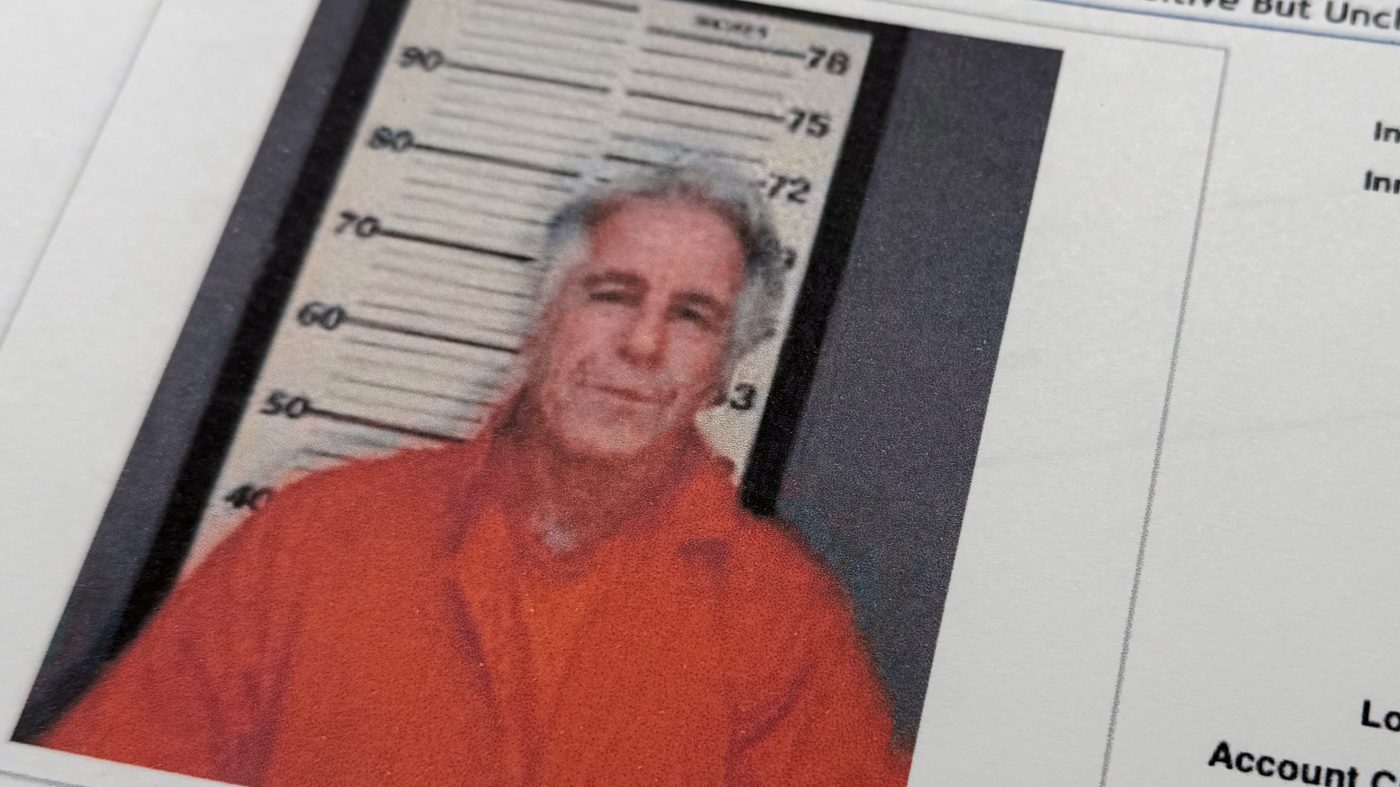
A group of survivors of Jeffrey Epstein's sex trafficking ring has filed a class action lawsuit against the U.S. Department of Justice and Google, alleging both entities are responsible for the unlawful disclosure and continued republication of their private information. The suit, filed in the Northern District of California, centers on documents released as part of the federal investigation into Epstein's crimes.
Allegations of a 'Release Now, Retract Later' Policy
The complaint asserts that the DOJ, under the current administration, engaged in a deliberate policy of prioritizing rapid disclosure over victim privacy, leading to the 'outing' of roughly 100 survivors. Names, phone numbers, and other identifying details were included in millions of files made public in late 2025 and early 2026. This occurred despite the requirements of the Epstein Files Transparency Act, which mandated the redaction of victim identities, a failure that has drawn bipartisan criticism in Congress.

"The United States, acting through the DOJ, made a deliberate policy choice to prioritize rapid, large-volume disclosure over protection of Epstein survivors' privacy," the lawsuit states. The legal action follows an emergency request filed in New York in February, where victims' lawyers sought to shut down the DOJ's database until proper redactions were completed.
Google Accused of Perpetuating the Harm
The lawsuit extends significant blame to Google, alleging the tech giant has refused to remove or de-index the sensitive personal information from its search results and cached pages. "Google continues even now to display Plaintiff and Class members' PII... effectively republishing the unlawful disclosure and making it permanently and globally accessible," the complaint argues. It claims this inaction enables ongoing harassment, stalking, and reputational damage for the survivors.
This case places Google's content moderation policies under a harsh legal and political spotlight, contrasting sharply with its public initiatives in other areas, such as the recent trial where its AI helped reduce aircraft contrails. The core allegation is that the company possesses the technical capability to comply with removal requests but has chosen not to act.
DOJ Response and Political Fallout
After the scale of the disclosure became clear, the Justice Department moved to take down the documents, attributing the breach to "technical or human error." However, top officials have pushed back against broader accusations of neglecting Epstein's victims. Deputy Attorney General Todd Blanche recently defended the department's record, stating, "I do defend the work that this department is doing today... And if there's a narrative that exists that we're ignoring Epstein victims, that is false."
The political context is charged, with the Trump administration's handling of the Epstein probe facing intense scrutiny since the first document dumps. Attorney General Pam Bondi has been a particular focus. The lawsuit's allegations feed into ongoing political battles over transparency and accountability, reminiscent of conflicts like the one where Blanche condemned a Democratic walkout from an Epstein probe briefing as a 'political stunt'.
The legal action underscores a tension between public transparency and victim protection in high-profile criminal cases. It also raises questions about the responsibilities of both government agencies and private technology platforms in controlling the spread of sensitive information once it is leaked. The outcome could set precedents for how victim privacy is handled in future major investigations and define the legal obligations of search engines in similar contexts.
Neither the Justice Department nor Google provided immediate comment on the newly filed lawsuit. The case proceeds as the administration continues to navigate complex foreign and domestic challenges, from securing the release of detainees abroad to managing internal political narratives about its predecessors.