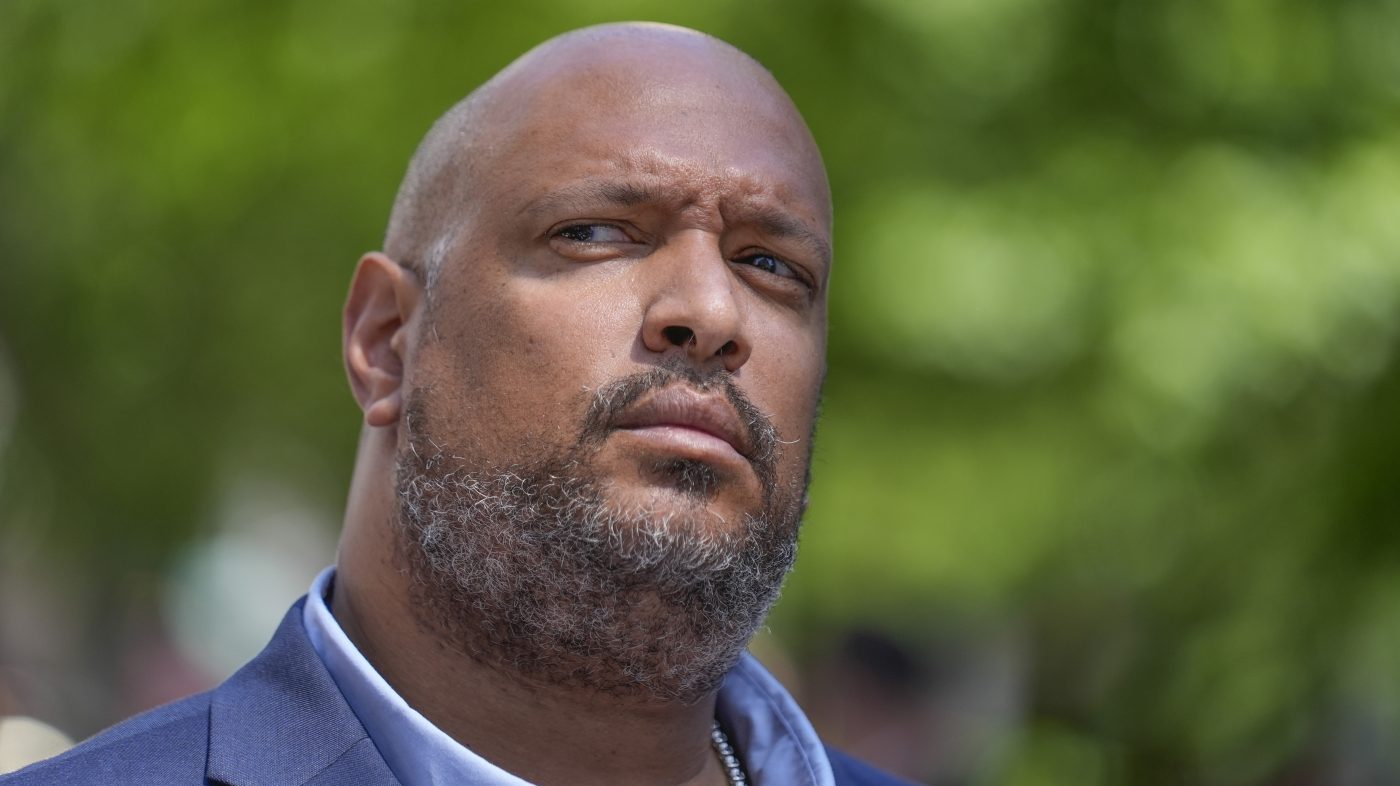
Former Capitol Police officer Harry Dunn fell short in his bid to replace retiring Rep. Steny Hoyer (D-Md.) in Maryland's 5th Congressional District, losing the Democratic primary to state Del. Adrian Boafo on Tuesday. Boafo, who previously served as Hoyer's campaign manager, secured 32 percent of the vote, while Dunn finished third with 13.5 percent, according to Decision Desk HQ.
Primary Results and Context
The race to succeed Hoyer, a longtime Democratic power broker, attracted a crowded field of candidates. Boafo's victory cements his position as the frontrunner in a safely Democratic district, effectively positioning him to take the seat in November. Dunn, who gained national prominence after testifying about the January 6 Capitol attack, struggled to translate his profile into electoral success.
Dunn conceded the race on Tuesday, telling WUSA9, “So many people, when they see me, the first thing they say is, ‘Thank you for your service.' And I always respond with a ‘thank you' because I don't think people realize … the big impact that they have in motivating me to keep going.” His campaign emphasized his law enforcement background and his role in defending democracy, but it was not enough to overcome Boafo's local ties and organizational strength.
The primary results underscore the challenges faced by candidates without deep roots in the district. Dunn, who lives in Washington, D.C., moved to Maryland to run, but Boafo's experience as a state delegate and his connection to Hoyer's network proved decisive. Earlier coverage of the race highlighted Boafo's lead and the competitive nature of the contest.
Broader Political Implications
Dunn's loss comes amid a series of primary contests that have tested the influence of the January 6 narrative. While the attack on the Capitol remains a rallying point for some Democrats, voters in this Maryland district prioritized local experience and establishment ties. Boafo's win may signal that the party's base is focused on legislative effectiveness rather than symbolic gestures.
The outcome also reflects the ongoing dynamics within the Democratic Party, where progressive and moderate factions continue to vie for influence. In other primaries, progressive candidates have seen victories, but in Maryland's 5th, a more centrist approach prevailed.
Boafo will now face Republican challenger Chris Palombi in the general election, though the district's strong Democratic lean makes Boafo the heavy favorite. The race to replace Hoyer, who has served in Congress since 1981, marks the end of an era for Maryland politics.
Dunn's campaign, which raised significant funds and attracted national attention, ultimately could not overcome Boafo's ground game. The former officer's concession speech reflected gratitude for the support he received, but the primary results leave him without a political foothold for now.