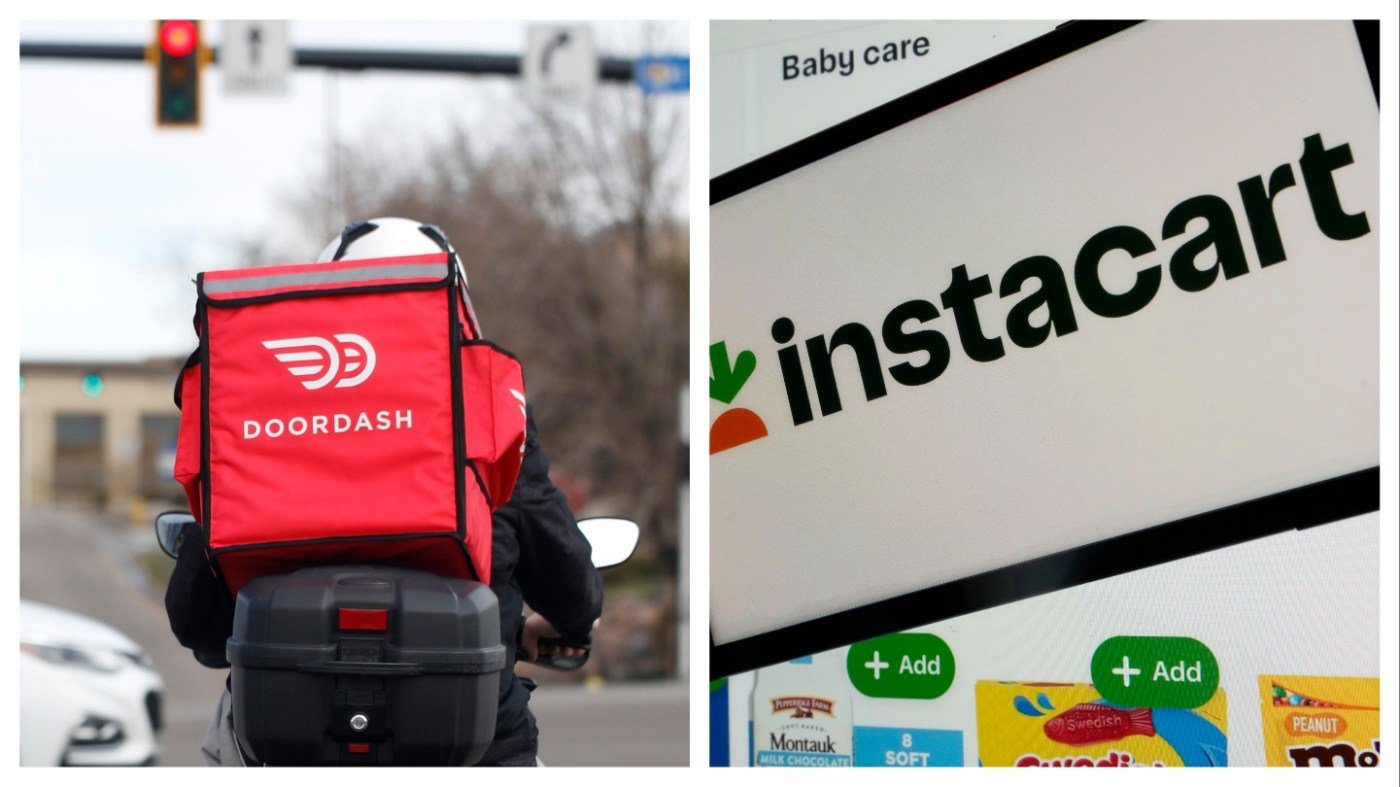
DoorDash announced Thursday it will acquire Instacart in a deal valued at approximately $17 billion, a move that consolidates two of the largest players in the on-demand delivery space and significantly reshapes the competitive landscape for online groceries.
The acquisition, which received unanimous approval from Instacart's board, will keep the Instacart brand intact, and customers will still be able to use the app for their grocery orders, according to a statement from DoorDash. The combined platform will give Instacart users access to an additional 50,000 stores on top of the nearly 100,000 already available through its service, DoorDash said.

Membership programs will also be unified: DashPass and Instacart+ will merge, with shoppers paying only one subscription fee. The integration is expected to create a more seamless experience for consumers, though analysts note that the merger will also concentrate market power in the hands of a single delivery giant.
Instacart CEO Chris Rogers framed the deal as a natural next step for the company, which he said has “transformed online grocery by helping retailers of all sizes compete and grow.” He added, “Together, we can accelerate innovation across the grocery industry and make online grocery more seamless and affordable for the millions of households we serve.”
The two companies rely on independent contractors to pick and deliver pre-selected orders from a wide range of grocery and convenience chains. DoorDash has been aggressively expanding its grocery footprint, having recently added Kroger's full inventory of 2,700 U.S. stores and, last month, struck a deal to deliver products from Costco.
DoorDash CEO Tony Xu emphasized the complexity of grocery delivery, noting that “someone has to pick a ripe avocado, find a substitute you'd choose yourself, and get the ice cream to you before it melts.” He said the combined company could give stores of every size more tools to meet those challenges and unlock the full potential of grocery delivery.
The deal comes as DoorDash continues to grow beyond its restaurant roots. The company, which entered the grocery sector in 2020 during the COVID-19 pandemic, completed 3 billion orders in 2025, with 9 million independent workers handling deliveries. This acquisition follows other major moves in the delivery space, including Uber's $15 billion purchase of Delivery Hero, signaling a wave of consolidation across the industry.
However, the merger may draw scrutiny from regulators and consumer advocates, particularly given rising concerns about grocery costs and market concentration. A recent study highlighted lower-income families hit hardest by grocery costs, and some lawmakers have criticized the silence on grocery monopolies. The deal also comes amid broader debates over the use of independent contractors and the treatment of gig workers.
DoorDash has faced legal and financial challenges over its labor practices. Last month, the company agreed to pay $115 million to more than 260,000 workers in New York City who were either not paid or paid late, as part of a settlement with the city's Department of Consumer and Worker Protection. DoorDash acknowledged it “screwed up” but denied that the payment errors were intentional.
The acquisition is expected to close in the coming months, pending regulatory approval. Both companies have said they will work to ensure a smooth transition for customers, retailers, and workers.