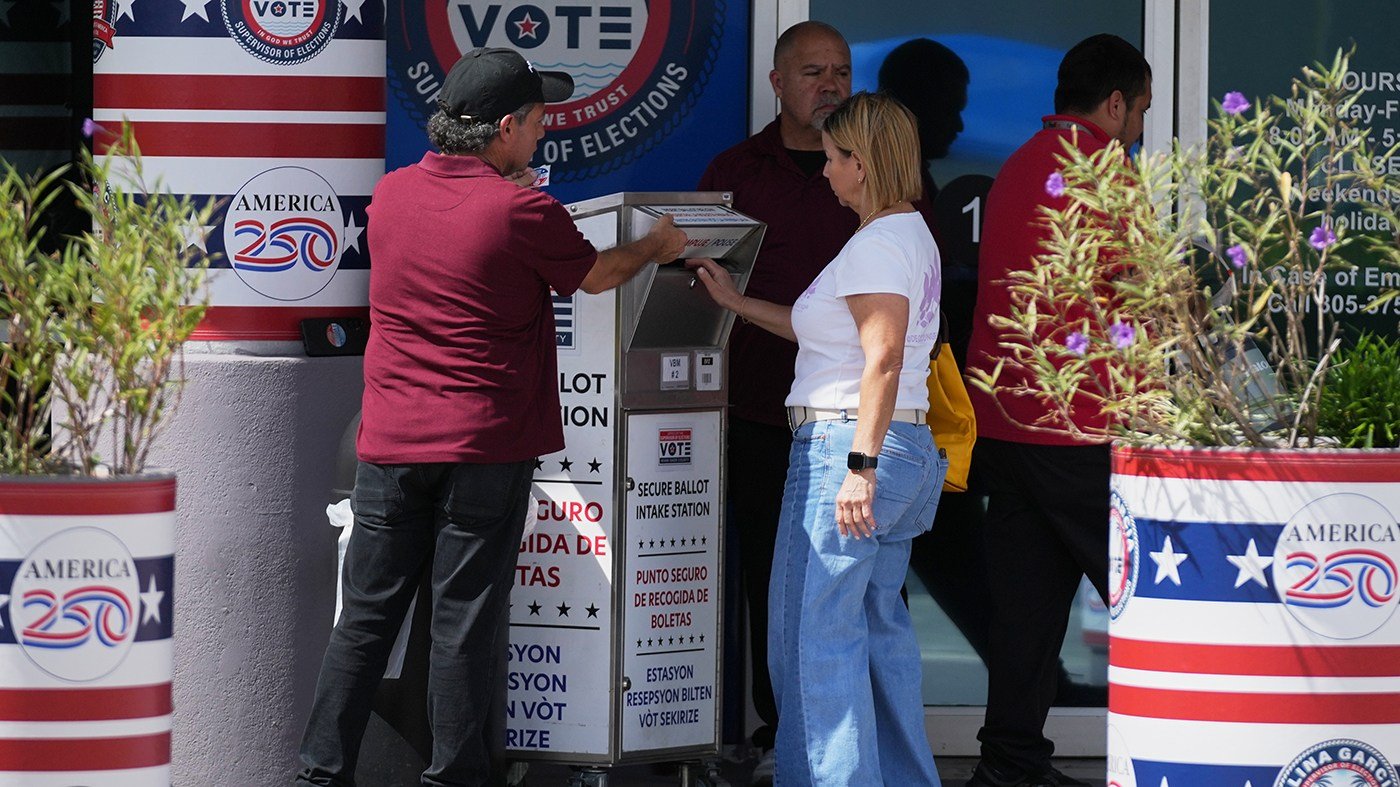
Democrats are increasingly optimistic about expanding their Senate battlefield into states that were once considered safe Republican territory, as recent polling shows competitive races in South Carolina, Florida, and Mississippi. The shift reflects a broader trend across the 2026 midterm cycle, with GOP-held seats in Alaska, Iowa, Kansas, and Texas also moving into play.
Party strategists point to a combination of factors driving the change: President Trump's unpopularity, voter frustration over inflation and the ongoing war in Iran, and a surge of Democratic enthusiasm. They argue that GOP candidates in these states are lackluster and are struggling to overcome the national headwinds.
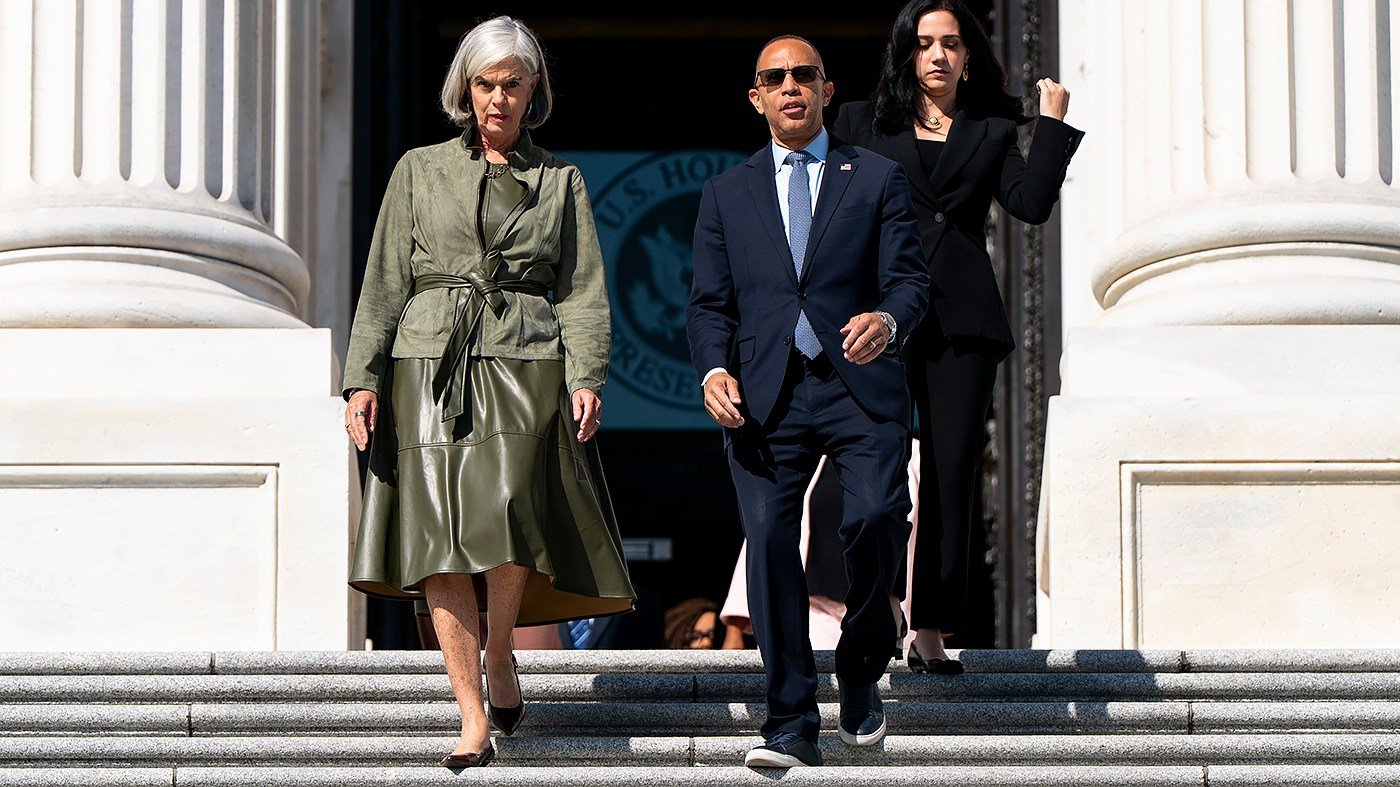
South Carolina emerges as a surprise battleground
A New York Times/Siena College poll released Wednesday shows Sen. Darline Graham (R-S.C.) and Democrat Annie Andrews tied at 48 percent among likely voters in South Carolina. Andrews leads among independents by 57 percent and even draws 7 percent of Republican support. The state hasn't elected a Democrat to the Senate since 1998, making the race a striking development.
Democratic strategist Tad Devine, who worked on multiple presidential campaigns, sees potential for a broader Southern realignment. "Everybody's got to understand that this could be a monumental election, that the normal arithmetic of voting adds up differently," he said. Devine pointed to the 2020 victories in Georgia, where Democrats Jon Ossoff and Raphael Warnock won Senate seats and Joe Biden narrowly carried the state. He noted that Biden won with roughly 27 percent of white voters and 92 percent of Black voters, a coalition that could be replicated elsewhere.
"These coalitions — if you put them together state by state and you have a target — mean that Democrats can win statewide races in places like South Carolina, Georgia, really across the board," Devine said. "We'll see whether or not it works in Mississippi, too."
The same poll shows Trump's approval underwater in South Carolina: only 42 percent approve, while 55 percent disapprove. The state's electorate is 71 percent white and 24 percent Black, according to the South Carolina Election Commission, a demographic mix that could be favorable if Democrats can turn out minority voters and win over a slice of white moderates.
Florida and Mississippi also in play
In Florida, a New York Times/Siena survey of 813 voters shows Democrat Angie Nixon trailing Republican incumbent Sen. Ashley Moody by 6 points, 44 to 50 percent. While national Democrats have largely ignored the Sunshine State, some see a possible surprise. "Notwithstanding what's happened in Florida in recent years, I've always believed Florida is a place where Democrats can compete," one Democratic insider said, echoing a sentiment that has been boosted by recent investments in Mississippi as well.
The Democratic Senatorial Campaign Committee has already put money behind Ty Pinkins in Mississippi, where the Cook Political Report rates the seat as "likely Republican." But the NRSC's Bernadette Breslin dismissed the polling, saying the industry has a "track record of misses" in GOP-leaning states. She pointed to an analysis by The Economist's Owen Winter, who noted that if historical polling errors repeat, Democratic leads in Alaska and Texas could vanish, and toss-up races in Iowa and Kansas would tilt Republican.
Still, the expansion of the map has forced Republicans to spend resources in states they once took for granted. The Cook Political Report now rates South Carolina as "lean Republican" and Florida as "solid Republican," but the tightening numbers have Democrats eyeing a path to a larger majority. With early voting underway in many states, the final stretch could see unexpected shifts in the battle for the Senate.