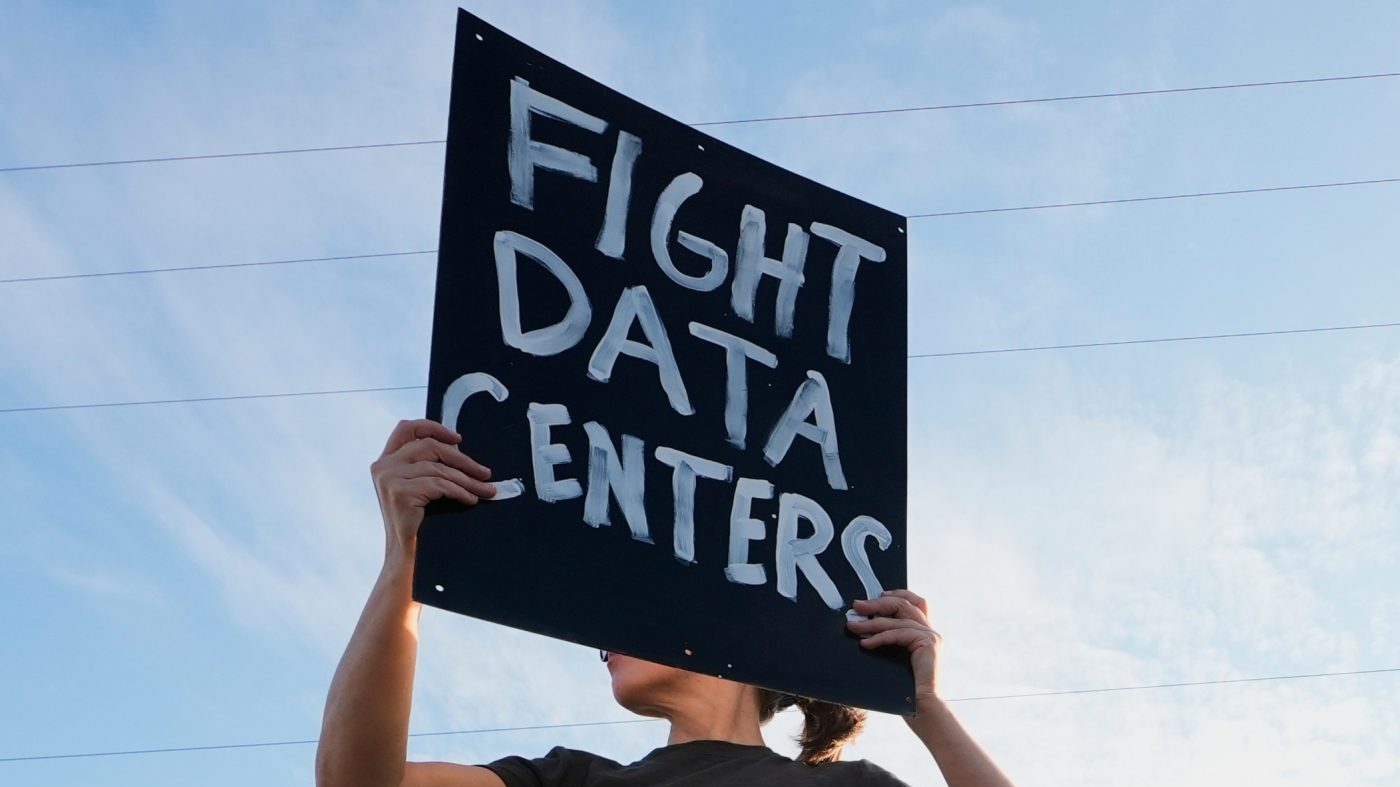
In a unanimous vote Tuesday, the San Diego City Council approved a temporary moratorium on the development and expansion of artificial intelligence data centers, a move that halts—at least for now—a controversial proposal to convert a Navy site near Old Town into one of the largest AI facilities in California.
The 45-day pause is the city's direct response to a federal plan that would allow developer Manchester Financial Group to build a 400-megawatt AI data center on the 70-acre Naval Information Warfare Systems Command (NAVWAR) property. City leaders and residents have raised alarms over the project's potential strain on local infrastructure and its departure from earlier promises of housing and community space.

During the council meeting, dozens of public speakers urged approval of the moratorium, with some dressed as characters like Lord Farquaad and Elmo to dramatize their opposition. “You're the gatekeepers,” one woman told council members, reflecting the sentiment that the city must act to protect residents' interests.
Councilmember Marni Von Wilpert recounted that Manchester Development had originally presented a vision of housing, parks, and commercial space, not a data center. “They showed me an entire portfolio of housing and park space and commercial real estate and job creation. That is what they promised the people of this community,” she said earlier this month.
Emails obtained by Voice of San Diego revealed that Manchester had been exploring the data center option, though the developer has stated there are no agreements in place. In an Oct. 22 statement, Manchester Financial Group said: “As for the concept of a Data center, our development team had early, informational conversations with energy providers to understand what might be feasible, but there are no negotiations underway and no agreements in place.”
Critics argue the proposed facility, which would consume enough electricity to power 300,000 homes, could drive up energy and water costs for residents, divert resources from affordable housing, and harm the environment. The data center's cooling needs alone would require millions of gallons of water annually.
Mayor Todd Gloria (D) emphasized the need for updated regulations, noting that under current rules data centers are treated similarly to warehouses. “This moratorium will allow us to have the pause that's necessary to develop those regulations, pass them by the city council, and then those who wish to invest in our city know the rules that they must follow,” he said.
Councilmember Sean Elo-Rivera has also asked Congress to intervene, and the Navy is conducting an environmental review of the site. The moratorium gives the city time to draft a permanent ordinance on data center development, a step that could set a precedent for other municipalities grappling with the rapid expansion of AI infrastructure.
The decision comes as data centers become a flashpoint in local politics nationwide, with some lawmakers warning of potential electoral consequences. Texas agriculture officials have cautioned GOP leaders that data center siting disputes could hurt their midterm prospects. Meanwhile, House Democrats are targeting Republicans on AI and data center issues in key races, and security experts have urged Washington to shore up AI data center security against potential attacks.
As the 45-day window unfolds, all eyes will be on the council's next steps—whether to extend the moratorium and what permanent rules might emerge. For now, the pause offers a rare moment of reflection in a fast-moving industry.