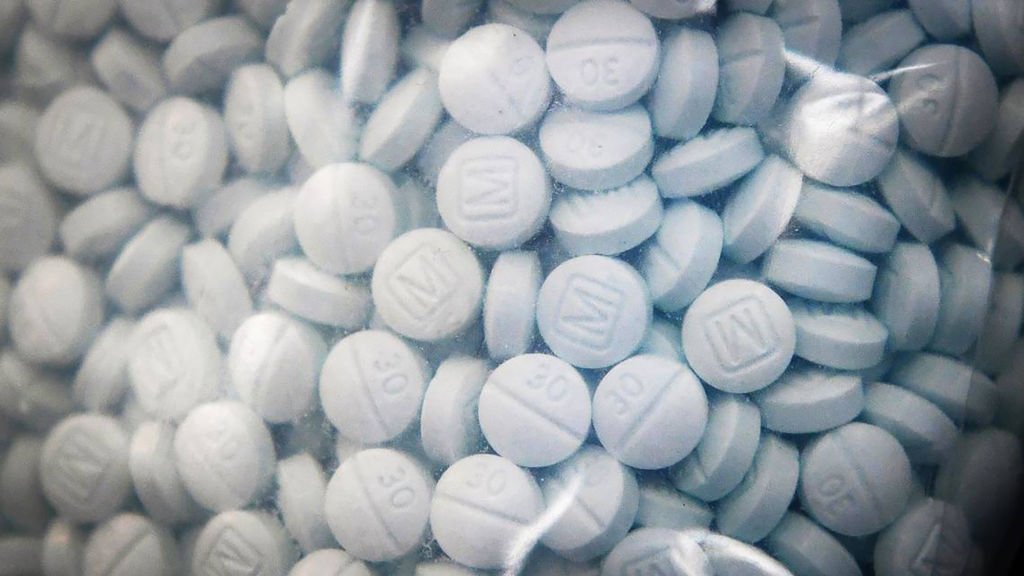
The Department of Justice's independent watchdog has opened a review into the Drug Enforcement Administration's investigative tactics for dismantling fentanyl trafficking networks. The probe will scrutinize whether the agency's methods—which have allowed large quantities of pills to flow onto streets in order to build bigger cases—are consistent with public safety obligations.
Current and former DEA agents have described a strategy where traffickers are permitted to move thousands of fentanyl pills without immediate arrest. The goal is to gather evidence against higher-level figures in transnational drug networks. But critics question whether this approach adequately protects communities from a drug that has fueled a nationwide overdose epidemic.
Fentanyl, a synthetic opioid, is roughly 50 times more potent than heroin and 100 times more potent than morphine. While it is legally prescribed for severe pain, such as after surgery or in late-stage cancer care, illicit versions are driving record numbers of overdose deaths.
The inspector general's office announced the review will examine DEA policies, protocols, guidance, training, and how investigators apply risk assessment and mitigation strategies. The scope will primarily cover the last two years, but may look back further—including to a 2024 decision in New Mexico where agents chose not to intercept 350,000 fentanyl pills, allowing them to be trafficked.
According to the notice, the review will determine “whether and how DOJ personnel evaluate and implement risk mitigation strategies, including interdiction, in investigations involving fentanyl trafficking.” It will also explore why certain strategies are delayed or declined, who makes those decisions, how internal disagreements are handled, and whether after-action reviews are conducted.
The watchdog noted that the investigation's scope could expand if new information emerges. A public report will be issued once the review concludes.
This inquiry comes amid broader scrutiny of law enforcement tactics in the opioid crisis. For instance, recent funding cuts to forensic science have raised concerns about the justice system's ability to handle drug cases. Meanwhile, the DEA's approach has been defended by some as necessary to dismantle cartels, but opponents argue it puts lives at risk.
The review is a significant step in addressing these concerns, as it will provide an independent assessment of whether the DEA's methods strike the right balance between enforcement and public safety. Political observers note that the outcome could influence future drug policy debates, especially as other federal agencies face scrutiny over their enforcement priorities.
As the probe unfolds, stakeholders on all sides will be watching closely, knowing that the findings could reshape how federal agencies pursue fentanyl cases.