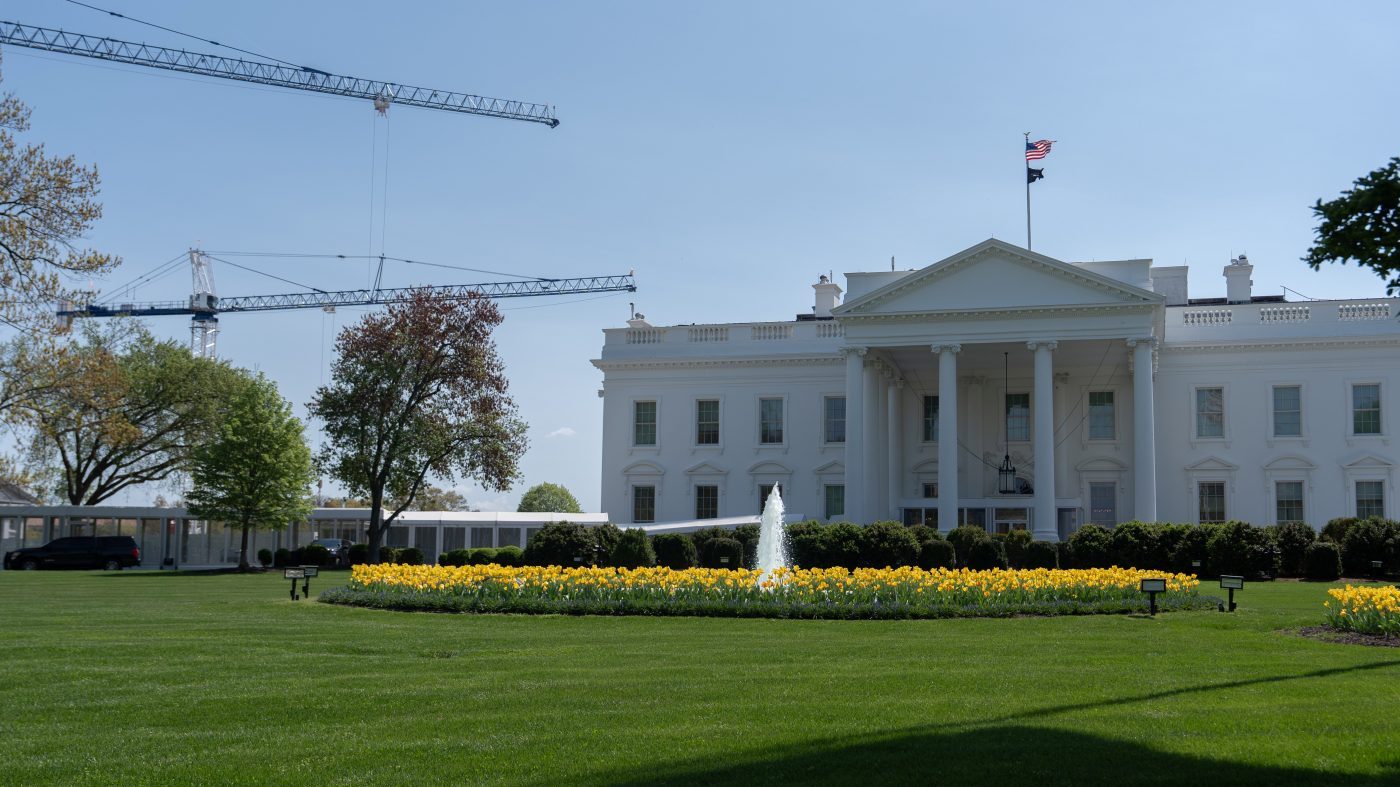
The Justice Department has escalated its clash with a federal judge over President Trump's stalled White House ballroom project, filing a blistering motion late Monday that links the construction dispute directly to the weekend shooting at the Washington Hilton. The department is asking U.S. District Judge Richard Leon to dissolve his injunction limiting work to below-ground levels, arguing the attack proves the urgent need for a secure event space.
In a filing submitted just before midnight, DOJ attorneys accused the plaintiffs—the National Trust for Historic Preservation—of suffering from what they termed “Trump Derangement Syndrome,” and labeled the lawsuit “dangerous.” The motion states: “This Court should never have enjoined this Project, but now, after the Saturday night attempted assassination, which could have never taken place in the new facility, reasonable minds can no longer differ — The injunction must be dissolved.”
The National Trust sued late last year after Trump began demolishing the East Wing to make way for a $400 million ballroom designed for state dinners, galas, and other large gatherings. Judge Leon, a George W. Bush appointee, ruled that the president lacked congressional approval for the project, though Trump insists it is privately funded and legally authorized.
Saturday’s incident—when a gunman tried to storm the ballroom during the White House Correspondents’ Dinner before being apprehended one level above—has thrust the case into the national spotlight. Prosecutors charged suspect Cole Allen with attempted assassination and firearms offenses; he has not yet entered a plea. The attack marked the third assassination attempt on Trump since 2024, according to the DOJ.
The department’s motion argues that the current venue forced the president to hold a high-profile event in an insecure setting. “Saturday’s narrow miss confirms what should have already been obvious: Presidents need a secure space for large events, that currently does not exist in Washington, D.C.,” the filing reads, “and this Court’s injunction stalling this Project cannot defensibly continue, for the sake of the safety of President Trump, future Presidents, and their families, Cabinets, and staff.”
The administration has already asked the preservation group to drop the suit, but it declined. Meanwhile, Trump’s legal team is actively appealing the injunction, meaning the D.C. Circuit Court of Appeals now holds primary jurisdiction. The DOJ is therefore asking Leon to issue an “indicative ruling”—a non-binding signal to the appeals court that he would dissolve the block if the case returns to his courtroom. “This Court should immediately issue an indicative ruling that it will dissolve the injunction, and put an end to this frivolous lawsuit, which greatly endangers the lives of all Presidents, current and future,” the department wrote.
The renewed push has drawn sharp reactions from both sides. Some lawmakers have echoed security concerns, while critics argue the project bypasses proper oversight. The National Trust has not commented on the latest filing, but the case is expected to accelerate as the appeals court weighs the administration’s arguments.
For context, the ballroom controversy is part of a broader pattern of Trump administration clashes with federal courts over executive authority. The DOJ’s motion underscores how a single security incident can reshape legal and political battles, especially when presidential safety is invoked.