Internal Justice Department documents obtained by The Hill paint a stark picture of a litigation office buckling under the weight of the Trump administration's immigration agenda, even as its attorney ranks thin dramatically. The Office of Immigration Litigation (OIL), the DOJ unit tasked with defending the government in immigration-related federal cases, has seen its caseload surge by 63 percent while losing nearly 80 attorneys since the start of the administration.
The surge is driven by a combination of factors, according to former officials and immigration experts. Margy O'Herron, who oversaw immigration work in the deputy attorney general's office under President Biden and is now a senior fellow at the Brennan Center, points to two primary drivers: a historic low in asylum grants and the administration's decision to end bond hearings for detained migrants.

“OIL represents the government in cases where the Board [of Immigration Appeals] denies asylum,” O'Herron said, noting that grants of protection are at a “historic low.” The other factor, she explained, is the administration's move to cut off bond hearings, prompting a wave of habeas petitions from migrants challenging their detention. “The habeas cases have grown significantly, because the administration has begun detaining people who have no criminal history, have been in the country for a long time, and would not have been detained under prior administrations. Now they’re holding them in immigration jails,” she added.
The internal metrics show OIL's attorney count fell from 320 to 243 by August, while the number of cases handled climbed from roughly 7,700 to nearly 9,500. The attrition is part of a broader exodus from the DOJ's civil division, but immigration policy has piled an outsized burden on the remaining staff. The administration has also remade the immigration courts, including the Board of Immigration Appeals, firing and replacing judges, which has contributed to a plunge in asylum grant rates. Data from the Transactional Records Access Clearinghouse (TRAC) shows that only 5.5 percent of asylum applicants received grants as of June, down from the low 30s under Biden.
“Because there’s so many denials, and there will be more, more cases are going to be appealed into federal court,” O'Herron said. Those appeals are handled by OIL, which represents the government in federal appellate courts.
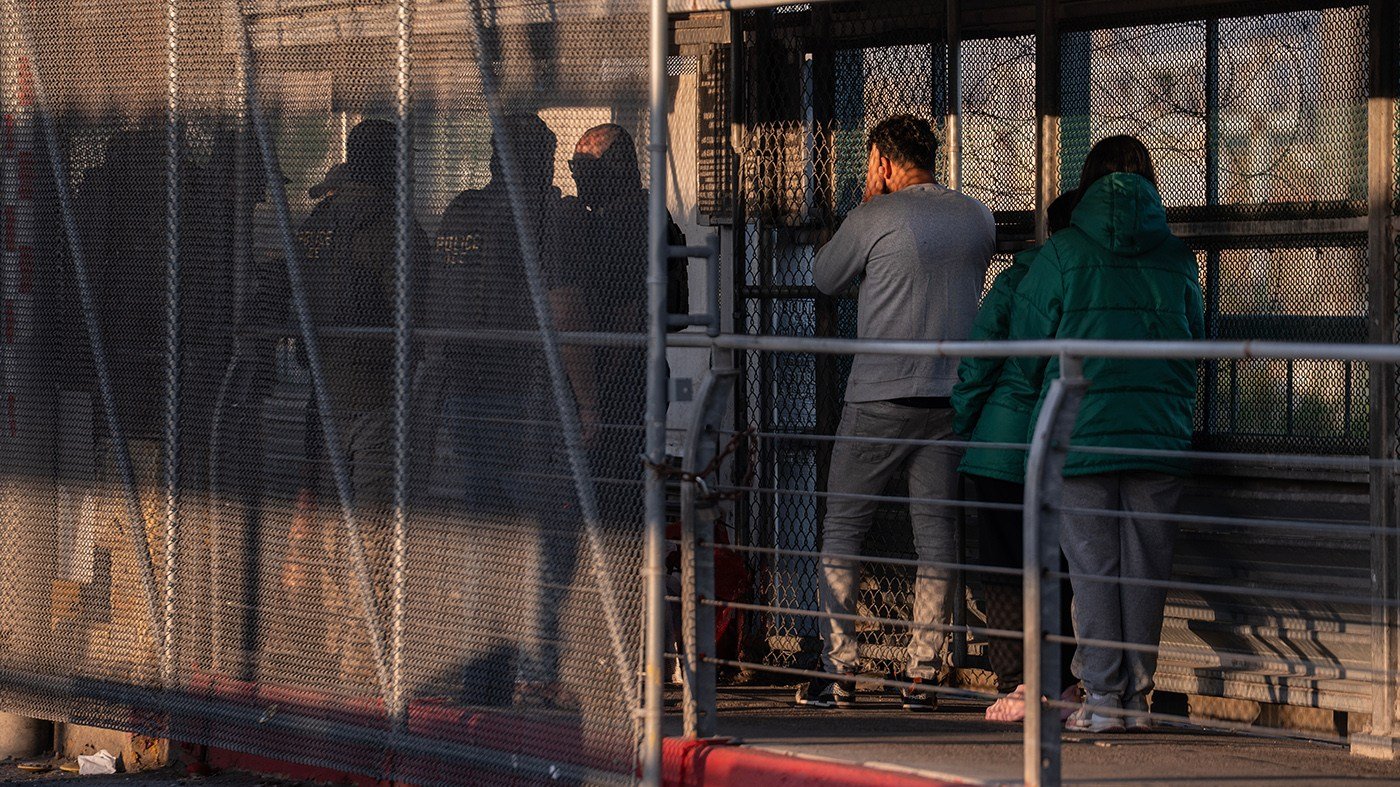
But the biggest driver of the caseload spike is the explosion in habeas petitions. Gregory Chen, senior director of government relations at the American Immigration Lawyers Association, called the denial of bond hearings “the most obvious reason for the surge.” Immigration courts previously released many migrants on bond while their cases were pending, but the administration ended such hearings—a policy now before the Supreme Court. “Judges use a standard two-prong analysis, which is whether the person is a flight risk or poses a public safety threat,” Chen said, noting the costly alternative of detaining nearly 70,000 migrants. “It’s just not humane or fair to be forcing people to go through multiple layers of expensive, costly litigation to try to get the opportunity to come before a judge and tell the judge that they shouldn’t be denied their freedom,” he added. “American taxpayers should really be angry that the Trump administration has created essentially a multiple-tiered structure, giving people the runaround if they want to ask a judge to consider where they need to be detained, and that’s a tremendous waste of taxpayer dollars.”
The habeas filings have skyrocketed. In March 2025, just 105 people filed such petitions. By February and March 2026, that number had soared to more than 8,000 and 9,000 monthly, according to TRAC data. So far, migrants have largely prevailed in court. A June Politico analysis found judges sided with migrants in over 15,000 habeas cases, versus just 2,200 for the administration. Nine of eleven federal appeals circuits have also ruled against the government, but the administration is pressing forward, hoping the Supreme Court will uphold its policy.
“Nine of 11 circuits have also ruled against the government, so it’s not a strong case for the government to bring. But I think they’re going to take their chances with the Supreme Court and hope that their interpretation gets upheld. If it does, it would really remake the way that immigration detention works in this country,” O'Herron said.
The administration is also gearing up for another wave of litigation: denaturalization cases. The DOJ announced Monday that it had filed 40 denaturalization complaints, calling it the largest single-period volume under Trump. A former OIL attorney said staffers have been given a goal of filing 300 such cases. That potential surge would further strain an office already stretched thin, as lawmakers on both sides of the aisle have raised concerns about the administration's aggressive legal tactics. The DOJ did not respond to requests for comment.