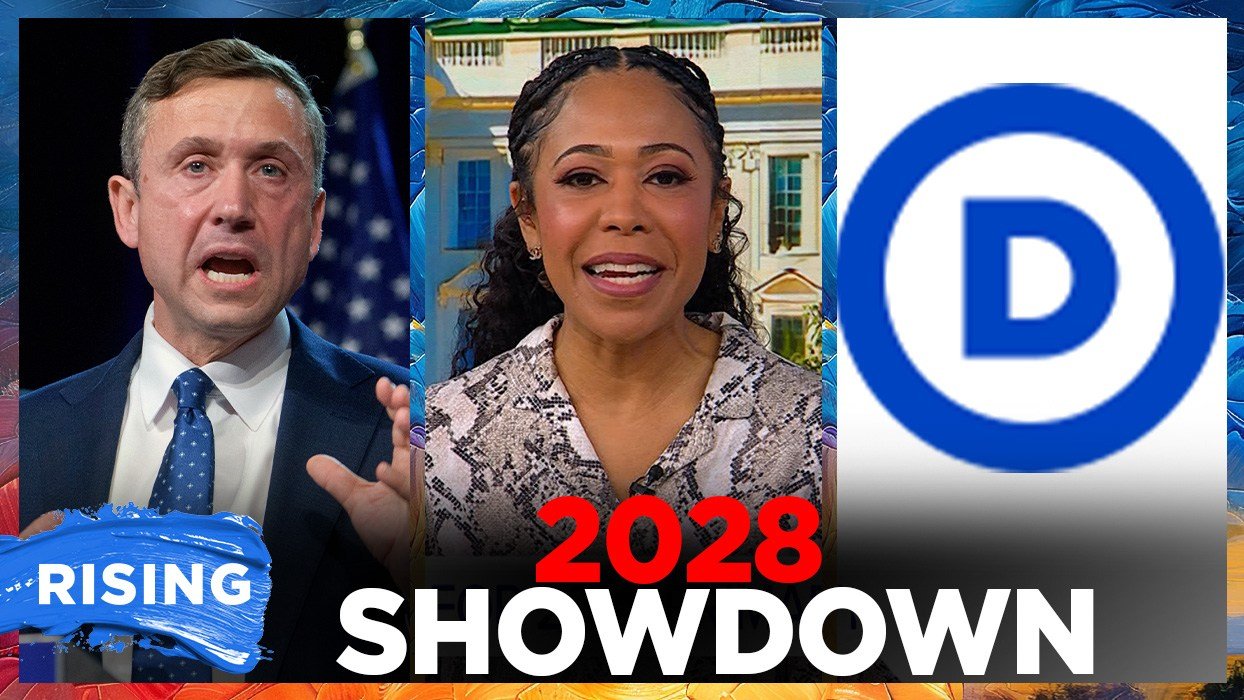
The Democratic National Committee has laid out its debate calendar for the 2028 presidential primaries, scheduling twelve face-offs beginning in June 2027. The announcement signals that the party is bracing for a highly competitive nomination fight, with no clear frontrunner emerging more than two years out.
Among the names already circulating as potential candidates are former Vice President Kamala Harris, California Governor Gavin Newsom, Congresswoman Alexandria Ocasio-Cortez, and Georgia Senator Jon Ossoff. Each brings a distinct base of support, but none has consolidated the field, leaving the race unusually open compared to recent cycles.
The DNC's new rules include a requirement that candidates formally denounce outside spending by groups that do not disclose their donors—a direct challenge to the super PACs that have come to dominate modern presidential campaigns. This move aims to curb the influence of undisclosed money, a concern that has grown as wealthy interests pour millions into elections without public accountability.
Enforcement will be key. During the 2020 primary, candidates initially agreed to reject super PAC support, but that pledge quickly eroded as several contenders, including some who had criticized the practice, accepted outside help. The DNC's new approach appears designed to set clearer expectations from the start, potentially avoiding the same breakdown.
The announcement also includes plans to integrate content creators and influencers into the debate process. This reflects a recognition that younger voters increasingly get their news from podcasts, short-form videos, and social media platforms rather than traditional television. By engaging with these digital voices, the party hopes to better connect with a demographic that has shown waning enthusiasm for conventional political programming.
However, simply inviting influencers to the table may not be enough. The DNC must genuinely listen to the audiences those creators reach, or the effort risks being seen as performative. As the 2028 race unfolds, the party will need to demonstrate that it values the perspectives of younger voters, not just their clicks.
The field itself presents a mix of strengths and vulnerabilities. Newsom has built a national profile by confronting President Trump, but California's affordability crisis could become a liability. Harris has name recognition and a national following, yet this would be her third presidential bid, and she would face questions about her 2024 loss. Ocasio-Cortez could energize progressives but may struggle to win over moderates, while Ossoff offers a younger generation of leadership with appeal in a crucial battleground state.
This competition is exactly what Democrats need as they grapple with defining their identity and coalition. The party hasn't seen such a wide-open presidential field since the early 1990s, when a relatively unknown southern governor, Bill Clinton, emerged from the pack to win the White House. Whether a similar breakout candidate will rise this time remains to be seen, but the uncertainty is a healthy sign for a party in search of direction.
With the first debate scheduled for June, the countdown is on. As the DNC finalizes its rules and the candidates begin to position themselves, the 2028 primary promises to be a defining moment for the Democratic Party.