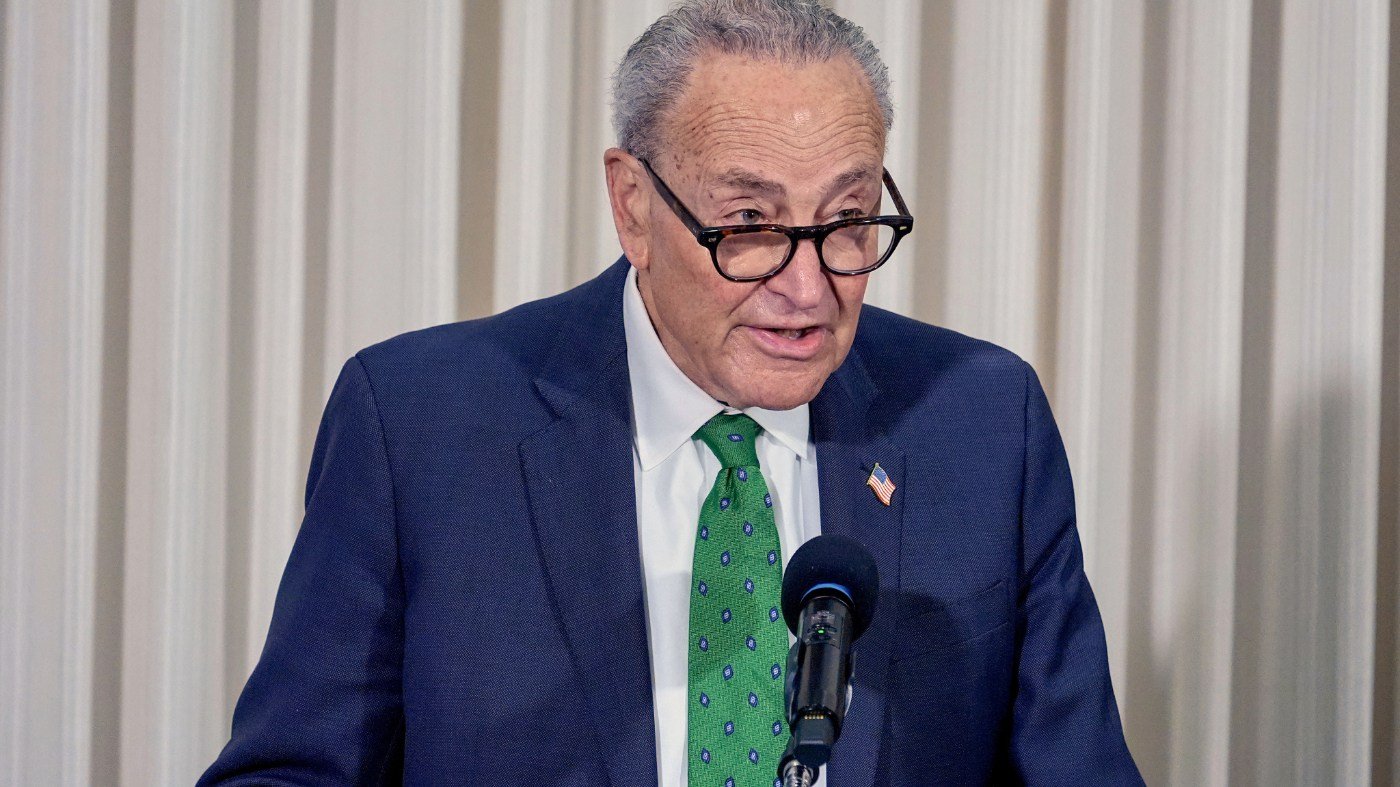
The Democratic National Committee's rules and bylaws committee voted Friday to put South Carolina first in the 2028 presidential primary lineup, cementing the state's position as the party's initial battleground. The decision, which now heads to the full DNC for a vote next month in Austin, Texas, marks the latest chapter in a contentious months-long process where over a dozen states vied for the coveted early slot.
South Carolina secured 26 votes from committee members, outpacing Nevada's 19 and New Hampshire's four. The Palmetto State's influential Black electorate, a key Democratic constituency, was central to its winning argument. Nevada made a last-minute plea to committee members in the days before the vote, but South Carolina's coalition-building edge prevailed.
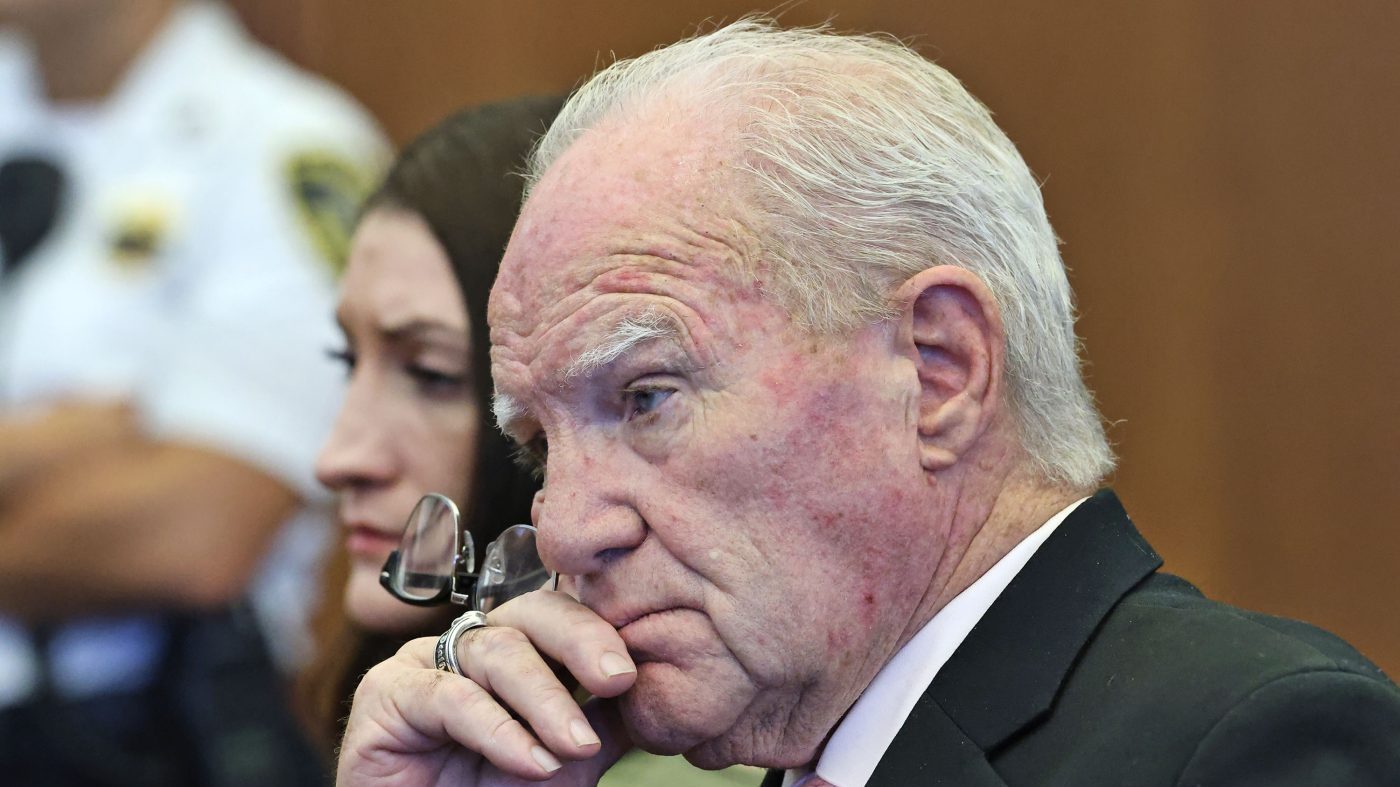
The committee also voted to expand the early primary window from five to six states, a move designed to force candidates to campaign across a more diverse set of battlegrounds before Super Tuesday. Michael Kapp, a committee member who voted for the change, said the expansion ensures that "every region, every constituency of this party will have a voice in the early window and be able to shape the race."
Kapp added that the goal is electoral success in the general election. "Ensuring we win in November 2028 is the priority — this calendar will get us there," he said. The new calendar, he argued, will require the eventual nominee to "run through a gauntlet before ever reaching Super Tuesday."
New Hampshire, which had long held the first-in-the-nation primary, finished a distant third. The state's political establishment has resisted the DNC's calendar changes, and the committee's move signals a continued shift away from the traditional early dominance of Iowa and New Hampshire. The expanded window now includes a sixth state, though its identity has not been finalized.
The decision comes amid broader Democratic efforts to recalibrate the primary process after age-driven upsets among young voters in recent cycles. The DNC's emphasis on diversity and competitiveness reflects lessons from 2020, when South Carolina revived Joe Biden's campaign. The state's role as a firewall for moderate candidates has made it a linchpin in the party's nominating strategy.
Republicans, meanwhile, have their own primary calendar debates, with some states moving earlier to maximize influence. The DNC's expansion to six states could prompt further jockeying among states seeking to host early contests. The full DNC vote in Austin is expected to be a formality, but the politics of the calendar remain fraught.
For now, South Carolina's victory cements its status as the Democratic Party's preferred starting gate. The state's diverse electorate, particularly its Black voters, will once again test candidates' ability to build broad coalitions. As the 2028 race takes shape, the expanded early window ensures that no single state's demographics will dominate the conversation.