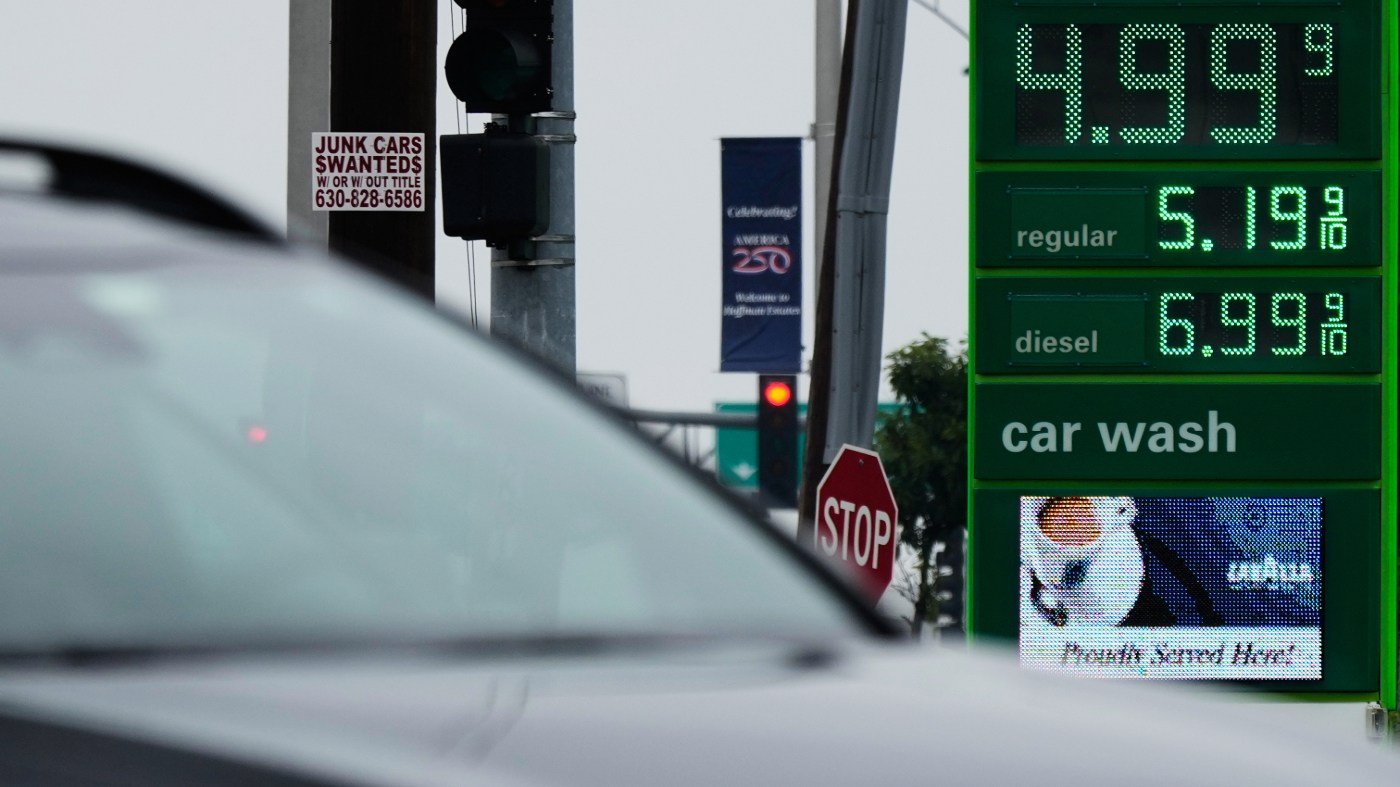
Following their most decisive midterm victory since Watergate, Democrats are now grappling with a defining question: how to translate their mandate into lasting political capital and reclaim the presidency in 2028. The party’s sweeping win was largely powered by voter anger over the soaring cost of living, which Democrats successfully tied to President Trump’s tariff policies, the Iran war’s impact on energy prices, and benefit cuts that threaten to raise healthcare costs. Now, with control of Congress, they must use their power of the purse to reverse these measures—but doing so without triggering a fiscal crisis presents a formidable challenge.
The path forward is fraught with obstacles. Trump’s veto pen looms large, requiring a two-thirds majority in both chambers to override. Additionally, the party remains internally divided between centrists seeking pragmatic compromises and progressives pushing for expansive social spending. This tension will shape every legislative battle ahead, as Democrats attempt to deliver on their promises without alienating either wing or the broader electorate.
One early priority should be reasserting congressional authority over trade policy, a move that could build bipartisan bridges. Trump’s suspension of the United States-Mexico-Canada Agreement and his tariffs on Canadian goods have proven deeply unpopular, particularly in border states and the Midwest. Renewing the USMCA would send a strong signal that Democrats are serious about easing economic pressures, and it could open the door to broader tariff reductions with Europe and Asia.
Another critical front is the Iran war. Trump is pushing Senate Republicans to pass a $350 billion defense package along party lines, but reports suggest GOP leaders are open to negotiating with Democrats, recognizing the war’s unpopularity and its staggering cost. Democrats should leverage this opening to press for a de-escalation and a reallocation of funds toward domestic priorities, while also preparing for potential shutdown showdowns tied to war funding.
On healthcare, Democrats must fight to restore the over $1 trillion in cuts to Medicaid and the Affordable Care Act over the next decade. These cuts, projected to leave 10 to 16 million Americans uninsured by 2034, represent a moral and political liability. Even if a presidential veto blocks immediate reversal, forcing the issue will demonstrate to voters that Democrats are committed to protecting their health and financial security—a key issue for 2028.
Yet the gravest mistake Democrats could make is to assume this victory represents a permanent realignment. The Biden administration’s experience offers a cautionary tale: after winning in 2020, Democrats moved left and enacted a $6.6 trillion spending agenda, contributing to the inflation that fueled public discontent. According to a Brookings analysis, Biden’s fiscal legacy—while responsive to pandemic challenges—ultimately expanded government beyond what voters were willing to support. Democrats must avoid repeating this pattern, as another spending spree would likely reignite inflation and erode their credibility.
The broader fiscal context is dire: government debt held by the public has surged from 32% of GDP to 100% over the past 25 years, with deficits running at 6% of GDP. Social Security and Medicare face looming shortfalls that demand difficult choices—either tax increases or benefit reforms—neither of which is popular. Democrats must show they can govern responsibly, and one avenue is reforming Trump’s signature “One Big Beautiful Bill,” which has widened income inequality through regressive tax cuts and benefit reductions.
A model for constructive action is the Tax Reform Act of 1986, which simplified the code, broadened the base, and eliminated loopholes with bipartisan support. Democrats should aim for similar reform, avoiding broad-based tax hikes that voters despise while closing loopholes and making the system fairer. This approach could appeal to independents, who now make up 45% of the electorate and increasingly decide national elections.
Ultimately, Democrats must balance their ambition with pragmatism. They have a narrow window to prove they can address affordability without breaking the budget. The 2028 election will hinge on whether they can craft a message and record of effective governance that resonates beyond their base. As they navigate veto threats, internal divisions, and fiscal constraints, their choices will define not only their political future but the country’s economic trajectory.