The Democratic Socialists of America are riding high after a string of primary victories in New York City, but the real challenge begins now. As the sugar rush fades, the movement must confront a far less friendly political landscape in the Midwest, where the party's most prominent candidates are about to face the ultimate test: winning over voters who don't share the left's ideological fervor.
Primary elections this year are drawing just 26 percent of eligible voters—a figure that spells trouble for both major parties. That slice of the electorate is dominated by the most committed activists, who often view compromise as betrayal. On the Democratic side, primary voters have rallied behind candidates who call for abolishing police departments and open borders. On the Republican side, they reward those who would dismantle safety-net programs and criminalize abortion. These two worlds rarely intersect, and when their chosen nominees reach Washington, they find little common ground—and even less incentive to seek it.
The result is a governing crisis. But the path to fixing it runs through the general election, not the primary. As the DSA celebrates its New York triumphs, the movement is about to learn that winning a primary in a deep-blue district is one thing; winning a competitive statewide race in the industrial heartland is quite another.
Michigan: A Bellwether for the Left
In Michigan, the Democratic Senate primary pits Abdul El-Sayed, a DSA-backed progressive endorsed by Sen. Bernie Sanders and Rep. Alexandria Ocasio-Cortez, against Rep. Haley Stevens, the establishment favorite. Stevens has cast herself as the pragmatic liberal, warning that El-Sayed's democratic socialist positions could alienate the working-class voters who decide November's outcome. Her fears are not unfounded: a progressive primary win could imperil Democratic Senate hopes, as the general electorate in Michigan is far more moderate than the primary base.
Republicans are watching closely. Mike Rogers, the former GOP congressman who lost the 2024 Senate race by less than one point, is already positioning himself to exploit El-Sayed's more radical statements. For Democrats, holding Michigan is essential to any chance of retaking the Senate, making this primary a high-stakes gamble.
Wisconsin: Chaos and Opportunity
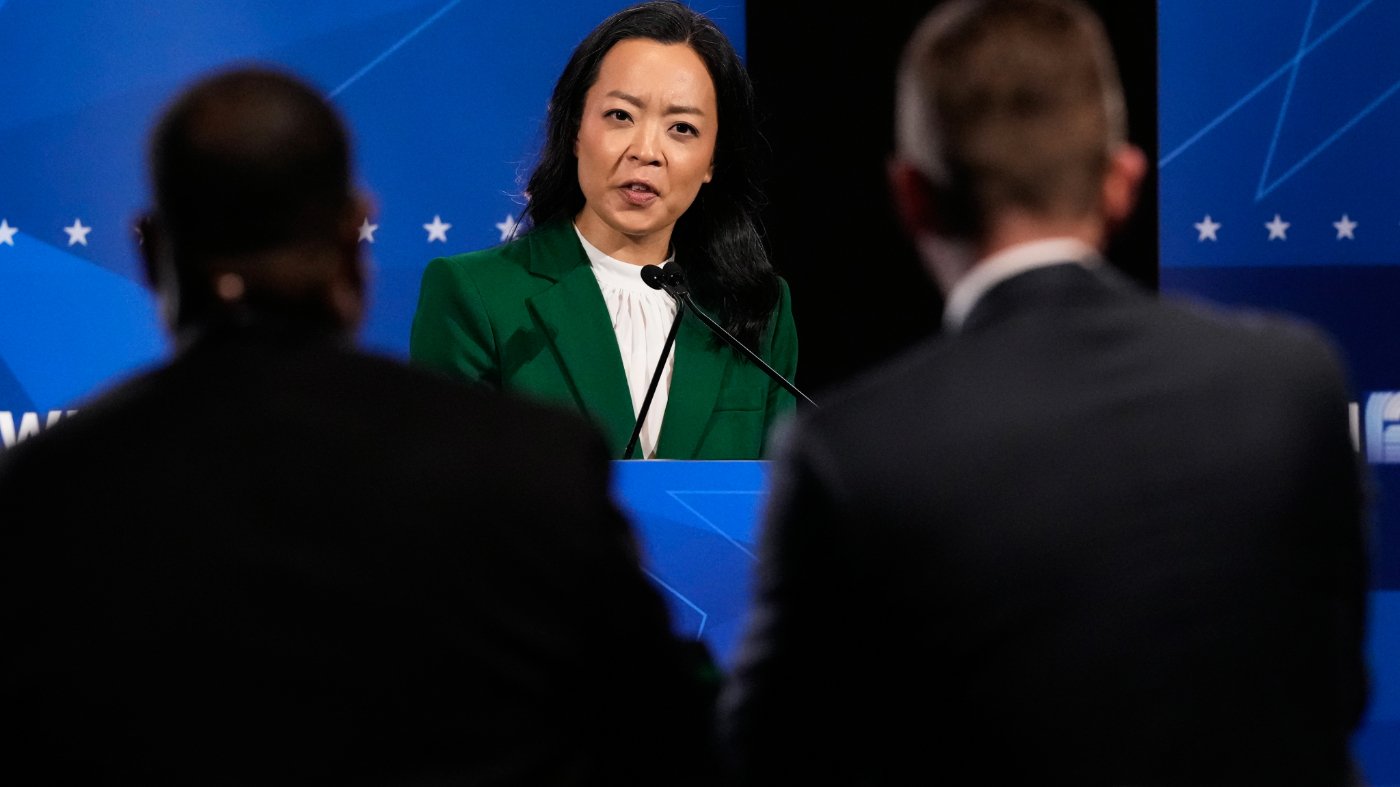
Meanwhile, Wisconsin's Aug. 11 gubernatorial primary is a mess. Candidates have dropped out, reentered, and dropped out again, leaving the field in disarray. DSA-backed state Rep. Francesca Hong has seized the moment, energizing the left-wing base with a clear message. Establishment figures like the lieutenant governor—who exited the race—and the Milwaukee County executive—who dropped out and then jumped back in—have stumbled badly. All the while, Republican Rep. Tom Tiffany waits in the wings, looking increasingly like a future governor.
If Hong or El-Sayed wins their primaries, November will become a referendum on whether the Democratic Party's leftward drift resonates beyond coastal enclaves. The Michigan primaries already expose Democratic fault lines, and Wisconsin could amplify them.
A Surprising Polling Edge
Before conservatives start celebrating, consider this: a recent CNBC poll, conducted in part by the Republican-leaning firm Public Opinion Strategies, found that candidates who call themselves democratic socialists are viewed somewhat more favorably—and less unfavorably—than those who embrace the MAGA label or Trump's endorsement. That advantage could grow if one party's leaders focus on kitchen-table issues like grocery prices while the other remains obsessed with tariffs, ballrooms, and relitigating the 2020 election.
The DSA's real test, then, is not whether it can win primaries in deep-blue districts, but whether it can translate that energy into general election victories in places like Michigan and Wisconsin. The outcome will shape both the Democratic Party's future and the broader political landscape for years to come.