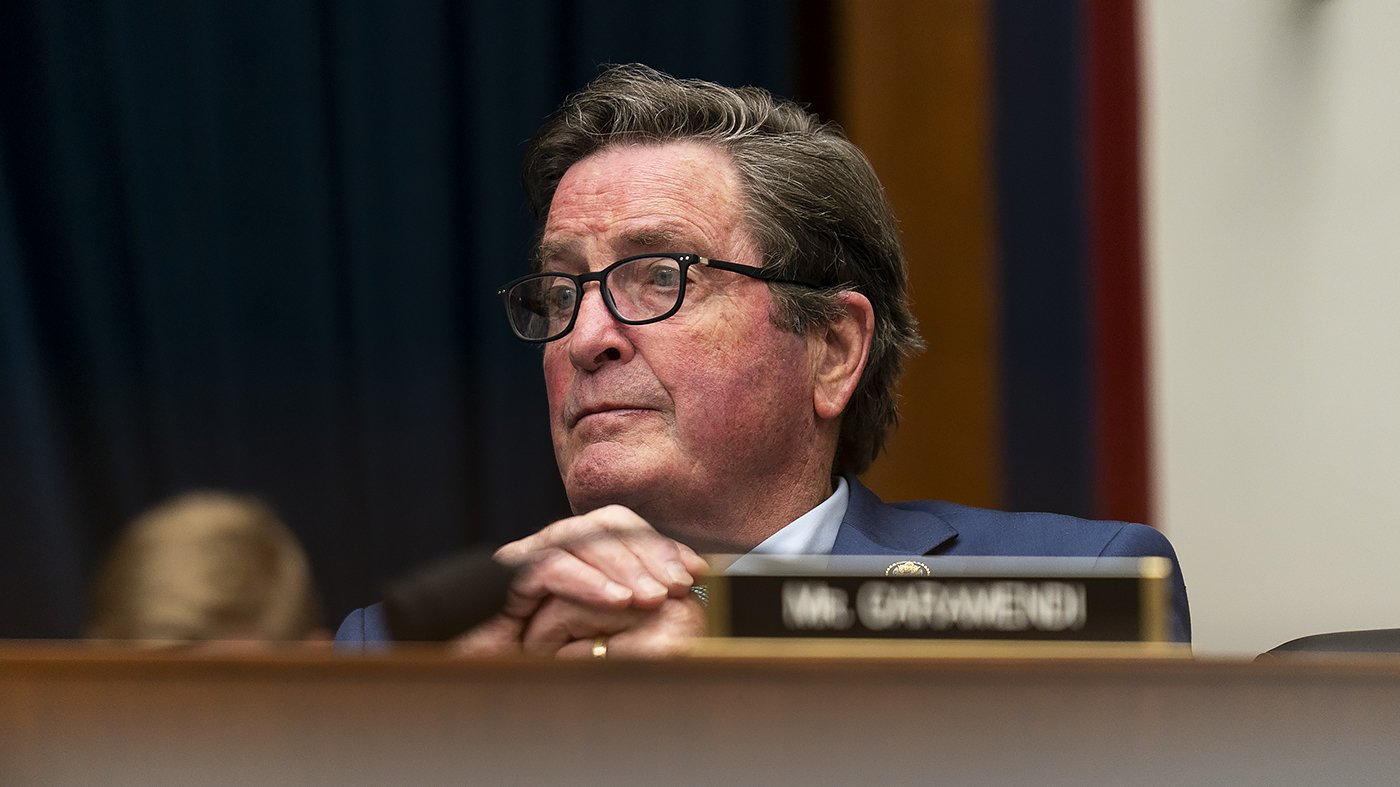
In a sharp rebuke of the Trump administration's use of defense funds, Representative John Garamendi (D-CA) is moving to prohibit Pentagon money from financing the construction of a new White House ballroom. The senior House Armed Services Committee member plans to introduce a floor amendment to the National Defense Authorization Act (NDAA) that would bar at least $150 million in military appropriations from being directed to the project.
“Defense dollars should be spent on our service members, military families, readiness, shipbuilding and replenishing critical munitions—not on a White House ballroom,” Garamendi told The Hill on Tuesday. He added, “If the President wants to expand the White House, he should find another funding source. Military dollars should be used for our military.”

The amendment comes amid a turbulent week in the House, where a procedural rule that would have merged the SAVE America Act with the NDAA was defeated 198-224. Fourteen Republicans crossed party lines to vote with Democrats against the measure, effectively halting floor action and sending lawmakers home early for the July 4 recess.
The ballroom project, which would replace the demolished East Wing, has drawn persistent scrutiny over its cost and funding sources. President Trump has claimed the military is involved to ensure “everything is absolutely beautiful,” and has estimated the total price tag at around $600 million. The facility is envisioned to include a ballroom for up to 1,000 guests, a drone port on its roof, and a military installation underneath.
Despite lawsuits challenging the project, the White House has pressed forward, citing security necessities. Trump has publicly insisted that taxpayers would not foot the bill, yet last month his administration requested $1 billion from Congress specifically for security upgrades tied to the ballroom.
Further fueling controversy, The Washington Post reported Tuesday that the White House awarded a no-bid contract worth up to $500 million to Clark Construction, a Virginia-based firm with ties to Trump allies. The deal has raised questions about transparency and competitive bidding, especially given the administration's earlier pledges of fiscal restraint.
The fight over military funding for the ballroom is part of a broader clash between Democrats and the White House over defense priorities. Garamendi's amendment is likely to force a vote that will test GOP unity on spending discipline, especially after the failed rule vote exposed fractures among Republican moderates and hardliners.
The administration has argued that the ballroom is essential for national security, but Garamendi and other critics counter that diverting Pentagon resources to a political venue undermines military readiness. The amendment's fate remains uncertain as the NDAA moves through the House, but the political battle lines are clearly drawn.