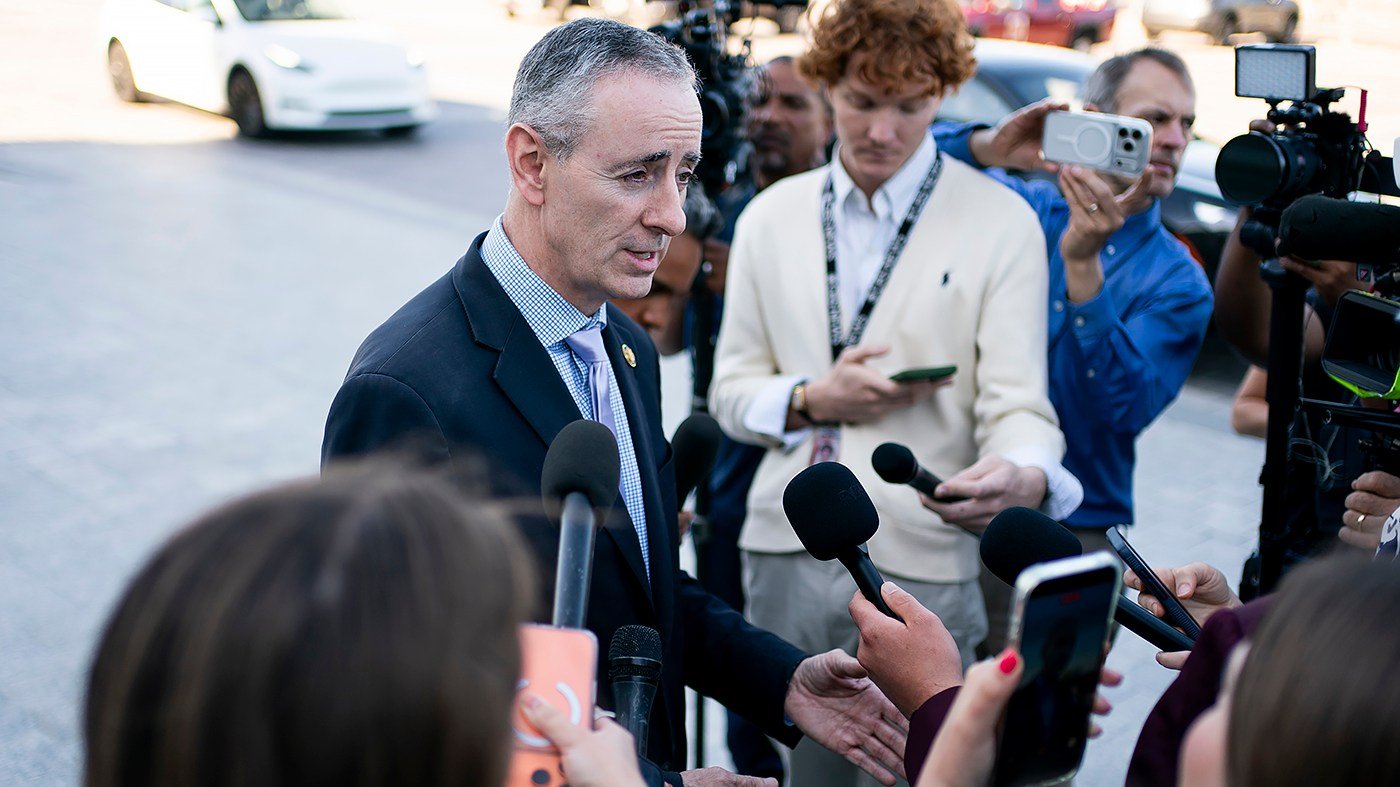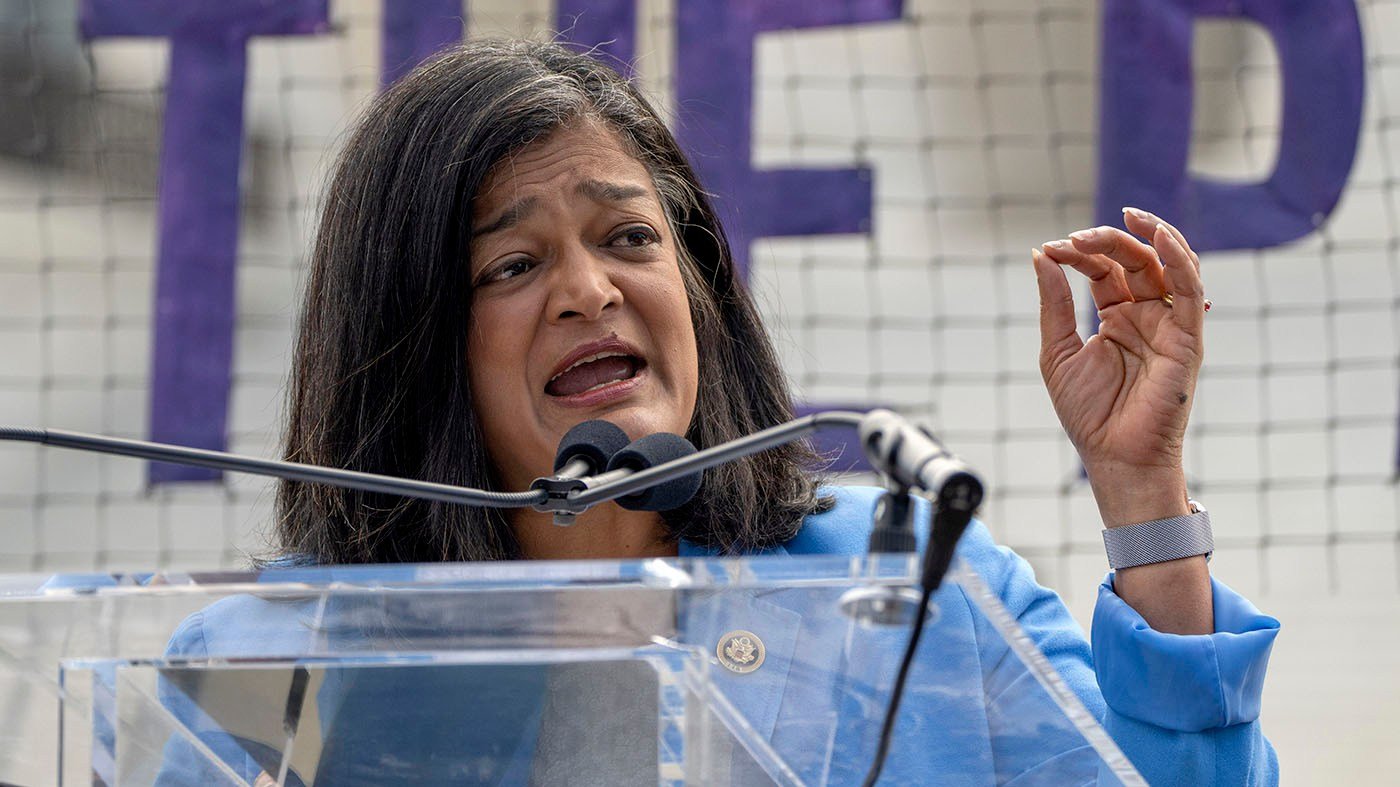
Fifty-five years ago today, a bipartisan congressional delegation delivered testimony that shattered official denials about America's covert bombing campaign in Laos. Republican Representative Paul N. McCloskey Jr. and Democratic Representative Jerome R. Waldie presented evidence gathered from over a thousand refugees, documenting the systematic destruction of villages, homes, and schools.
Their joint fact-finding mission to Laos gave their conclusions unusual credibility. They heard firsthand accounts of communities pulverized by American ordnance. This mounting evidence led researcher Fred Branfman to declare the U.S. was conducting "the most protracted bombing of civilian targets in history."
The Scale of Destruction
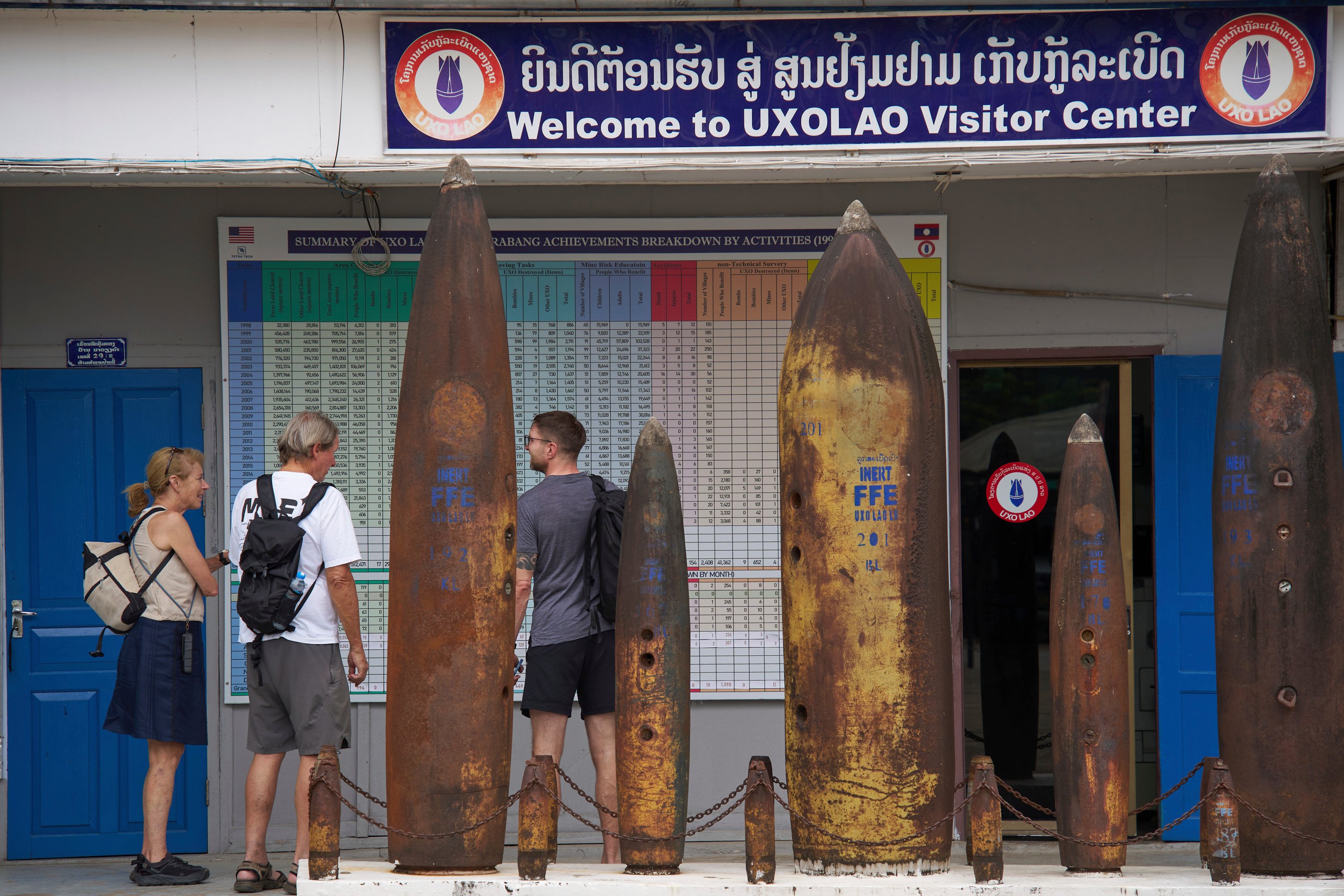
From 1964 to 1973, in an effort to disrupt traffic along the Ho Chi Minh Trail, the United States conducted approximately 580,000 bombing missions over Laos, dropping at least 2.5 million tons of ordnance. This equates to a planeload of bombs every eight minutes, around the clock, for nine years. Laos remains the most heavily bombed nation per capita in history.
The overwhelming majority of casualties were civilians then, and they remain the primary victims today. Unexploded ordnance continues to maim and kill, with children accounting for over sixty percent of contemporary accidents. The conflict's aftermath demonstrates that war does not conclude with a ceasefire; it lingers in fields and villages for generations.
Primary Accounts of Trauma
Organizations like Legacies of War preserve these histories through archives like "The Originals"—primary source documents created by refugees fleeing the bombings. These drawings and narratives, often made with simple pencils or crayons, offer raw depictions of the air war conducted in secrecy.
One drawing by a sixteen-year-old depicts a school under bombardment, with airplanes overhead releasing more bombs. An inscription reads, "The school was hit and burned. There were many people in the school who died. But I didn't know who because I wasn't courageous enough to look. I was afraid that the airplanes would shoot me."
Modern Parallels and Perpetual War
These historical accounts resonate with contemporary conflicts. The narratives from Laos echo in war zones from Ukraine to Lebanon, where schools, hospitals, and religious sites are targeted, forcing families to flee and erasing communities. Earlier this year, a U.S. airstrike on a girls' school in Iran killed more than 100 children—another generation scarred by violence.
As Representative McCloskey stated in 1971, the impact on civilians constituted not mere "collateral damage," but the "destruction of human life." Today, Americans are told a trillion-dollar Pentagon budget ensures security, yet the consequences are written in the lives of civilians abroad. True security, advocates argue, stems from diplomacy, civilian protection, and sustained investment in humanitarian de-mining and survivor assistance, not endless militarization.
The anniversary serves as a demand to reject perpetual war and invest in peacebuilding. If we cannot see the humanity in a child's drawing of a burning school, or hear the voice of a refugee describing nights underground, we have forgotten what it means to be human. The ghosts of war, from Laos to today's battlefields, will continue to haunt until that choice is made.
Sera Koulabdara is CEO of Legacies of War and co-chair of the War Legacies Working Group.