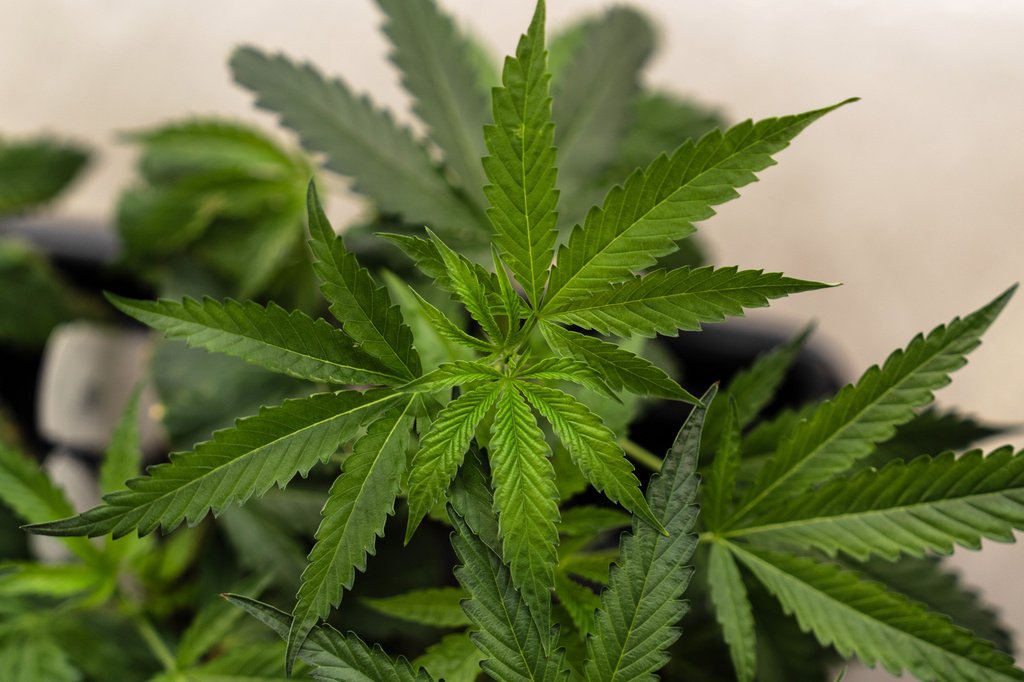
The Drug Enforcement Administration has finally opened administrative hearings on a proposed rule to shift marijuana from Schedule I to Schedule III of the Controlled Substances Act. While the change would make it significantly easier for scientists to study the drug, it leaves federal criminal penalties and mandatory minimum sentences untouched—a point critics say undermines the reform's impact.
Marijuana has been classified under Schedule I since the Controlled Substances Act became law in 1970, a category reserved for substances deemed to have high abuse potential and no accepted medical use. The classification has imposed the strictest research barriers and harshest criminal penalties. Notably, penalties for marijuana offenses are tied directly to the substance itself, not just its schedule, meaning a move to Schedule III would not reduce sentencing for possession or distribution.
The hearings come more than five decades after the Shafer Commission—created by the same law—recommended removing marijuana from Schedule I. The Nixon administration, which handpicked the commission, ignored the findings. Rep. Steve Cohen (D-Tenn.), a senior member of the House Judiciary Committee, stated plainly: "It is my firm belief that marijuana never belonged on Schedule I." He noted that the drug's placement led to disproportionate prison sentences, especially for communities of color, and severely hampered research.
Cohen pointed to the infamous remark by Nixon's White House counsel, John Ehrlichman, who reportedly said the administration sought to criminalize marijuana and heroin to disrupt anti-war activists and Black communities. "Nearly nine in 10 Americans now believe marijuana should be legal for medicinal or recreational purposes," Cohen said, underscoring the gap between public opinion and federal law.
The current patchwork of state-level adult-use laws, medical programs, and federal restrictions creates confusion. Complicating matters, Russell Vought, director of the Office of Management and Budget, recently urged Speaker Mike Johnson (R-La.) to either finalize regulations for intoxicating hemp products or delay a 2026 hemp ban. Cohen questioned the logic: "If this administration wants to keep intoxicating hemp available, why move marijuana to Schedule III and not simply legalize and regulate adult use?"
Schedule III offers one clear advantage: research. Obtaining a Schedule I license requires scientists to submit detailed protocols—including methods, dosages, and timelines—to both the DEA and FDA, a process that can take a year. Any change to the experimental design demands reapproval. For Schedule II through V substances, approval is faster and researchers can adjust protocols without new permission, enabling more flexible studies. "Moving marijuana to Schedule III would greatly enhance scientists' ability to study it," Cohen said.
However, state-level barriers persist. In Tennessee, Cohen's home state, the governor signed a law in April blocking the state's mental health commissioner from rescheduling marijuana without legislative approval, even if the federal government acts. "Researchers in my state are out of luck," Cohen lamented.
Cohen praised President Biden's 2024 announcement of the rescheduling effort but stressed its limits. "Schedule III will not right the historical wrongs of our drug laws," he said. Nearly 3,000 people remain in federal prison for marijuana-related convictions, and rescheduling offers them no relief. The congressman has long pushed for full descheduling, writing to presidents Obama, Biden, and Trump, and recently pressing DEA Administrator Terry Cole and former Attorney General Bondi on timing. He has also sponsored legislation like the Restore Act, which would allow nonviolent felony drug offenders to access SNAP benefits.
Cohen expressed hope the DEA hearings will lead to the correct conclusion: "Marijuana does not belong under Schedule I." The debate now moves to whether the agency will go far enough—or leave the nation's drug laws in a state of contradiction.