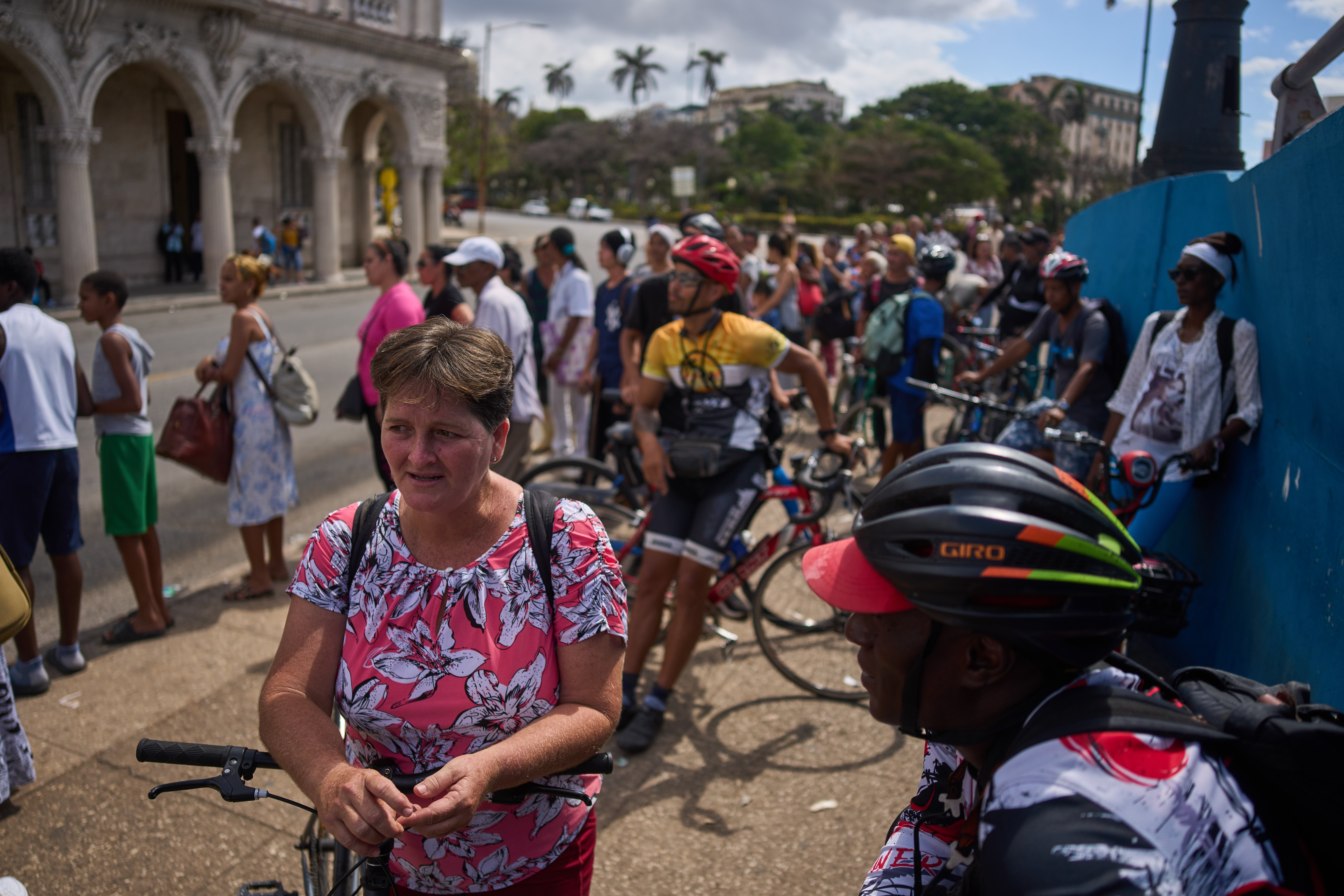
The Cuban economy is in a state of accelerating collapse. The loss of subsidized Venezuelan oil and insufficient support from Russia has pushed the system toward a breaking point. Dismantling a Marxist regime after 67 years presents profound challenges, but Cuba's historically pragmatic culture suggests a transactional mindset—'let's make a deal'—will likely dominate the transition period.
An Economic Catastrophe
The most immediate tests for any future government will be economic, not political. Nearly 90% of Cubans live in extreme poverty, contending with severe shortages of food, medicine, and power. This represents the worst economic crisis since the 1990s, driving a massive exodus with 78% of residents reportedly planning to emigrate. Exports have plummeted by 75% since 2000, with GDP projected to contract by 7.2% in 2026. The average state salary sits around $20 monthly, while citizens depend on inadequate government rations.
Addressing these needs will require enormous financial resources. While the U.S., Canada, and EU may offer aid, a Marshall Plan-scale intervention is unlikely. Foreign investment, particularly from the Cuban diaspora, may flow once the U.S. embargo lifts and the island overhauls its investment, tax, and regulatory frameworks. However, sentiment alone won't drive capital; investors will weigh Cuba against more stable regional opportunities like the Dominican Republic or Mexico. This calculus mirrors how some business owners view political gridlock as a strategic factor in investment decisions.
The Pillars of an Export-Led Recovery
To propel growth, a post-communist Cuba must prioritize exports. Four sectors hold particular promise, though each faces significant hurdles.
Agriculture & Agribusiness
Cuba possesses strong agro-ecological endowments for sugar, tobacco, coffee, and niche organic products, alongside a large, underemployed rural workforce. Yet chronic underinvestment, dependence on imported inputs, and obsolete machinery cripple the sector. Substantial new investment in infrastructure, joint ventures, and contract farming could unlock major potential.
Tourism
The country can leverage exceptional natural and cultural assets and an established regional reputation, including in medical and wellness tourism. However, outdated hotel stock, underinvestment in airports and ports, and service-quality gaps are glaring impediments. Success requires diversifying into higher-yield segments like boutique hotels and integrating with cruise lines and airlines to build multi-destination Caribbean itineraries.
Health Technology & Pharmaceuticals
This sector boasts an established biotech and pharmaceutical base, with internationally recognized vaccines and over 2,400 registered patents. BioCubaFarma, the state-run organization, exports to more than 50 countries. However, limited access to capital, imported inputs, and cutting-edge equipment severely handicaps progress. A democratic transition could unleash investment and public-private partnerships, creating a health-tech cluster to drive the economy forward, a development that would likely attract federal attention similar to emerging tech sectors.
Information Technology & Digital Services
Cuba's key strength is an educated, low-cost workforce with solid foundations in math and engineering. The large diaspora in advanced IT markets could channel knowledge and contracts back to the island. Yet historically poor broadband, restricted internet access, and underdeveloped digital systems necessitate a sweeping infrastructure overhaul to compete with regional rivals like Costa Rica and Panama.
Governance as the Ultimate Determinant
Investors eyeing these opportunities must proceed with clear-eyed caution. As Cuba's national hero José Martí noted, 'Day and night I always dream with open eyes.' The success of an export-led recovery hinges entirely on establishing a governance system that fully embraces economic freedom. This requires tax, regulatory, judicial, and commercial policies that enshrine savings, productivity, investment, and entrepreneurship. Without this foundational shift, no sectoral potential can be realized. The need for such a systemic overhaul underscores how policy frameworks directly dictate economic outcomes, forcing businesses to adapt or exit.
The path forward is stark. Cuba's economic implosion is accelerating, and its future stability depends on a rapid, export-oriented pivot supported by comprehensive institutional reform. The alternative is continued collapse and suffering for the Cuban people.