A fresh assessment prepared for lawmakers reveals that at least 81 U.S. military aircraft and drones have been damaged or destroyed since hostilities with Iran commenced in late February. The Congressional Research Service (CRS) report, released Monday, breaks down the toll on both manned and unmanned platforms, underscoring the material and financial strain of the conflict.
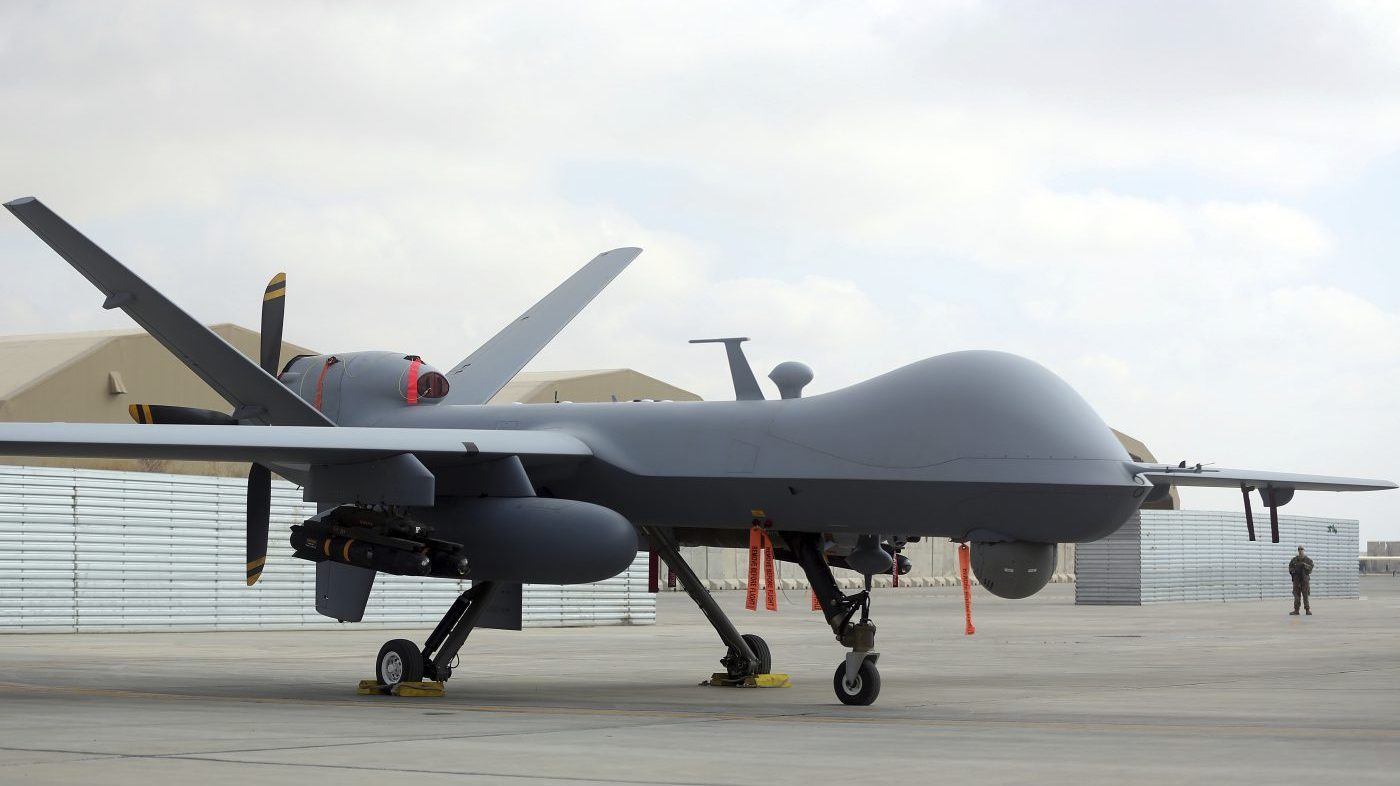
The CRS document, which runs just four pages, details significant losses among uncrewed systems. The U.S. has lost 45 MQ-9 Reaper drones, three MQ-1 Predator drones, and one MQ-4C Triton long-endurance surveillance aircraft. These losses highlight the heavy reliance on drones for intelligence, surveillance, and strike missions in the region, and the vulnerability of such assets to Iranian air defenses and other threats.

The fighter jet fleet also took a substantial hit. Twelve F-15E Strike Eagle fighters were damaged since the war began on Feb. 28. Of those, three were destroyed in a friendly-fire incident in Kuwait, and eight sustained damage during an Iranian military attack on a base in Jordan. Additionally, one A-10 Thunderbolt II ground-attack aircraft was destroyed by Iranian fire, while another was damaged in Jordan. A single F-35A Lightning II fighter also suffered damage, according to the report.
U.S. Central Command (CENTCOM), which oversees military operations in the Middle East, declined to comment on the CRS findings. The report comes as the financial cost of the conflict continues to climb. In mid-September, CENTCOM informed congressional defense committees that the price tag for the war had reached $43.6 billion, a figure that does not include $1.5 billion for fuel and other operational expenses. The Congressional Budget Office has warned that the war could stoke inflation early next year, adding to economic concerns at home.
The report also catalogs damage to support and special operations aircraft. Seven KC-135 Stratotanker aerial refueling aircraft were affected: one crashed in Iraq, killing all six crew members aboard; a second made an emergency landing; and five others were damaged in Saudi Arabia. An E-3 Sentry airborne early warning and control aircraft was damaged at Prince Sultan Air Base in Saudi Arabia. In April, two MC-130J Commando II special operations aircraft were intentionally destroyed while supporting search-and-rescue operations for a downed F-15E, according to the CRS.
The new data arrives amid a broader political and diplomatic fallout. President Trump and his administration have defended the decision to go to war, but the president recently acknowledged that the conflict could cost Republicans control of Congress. A Pentagon watchdog report from last month estimated that Iranian strikes caused $184 million in damage to U.S. diplomatic facilities across four Persian Gulf nations—Iraq, Kuwait, Saudi Arabia, and the United Arab Emirates.
The losses detailed in the CRS report are likely to fuel further debate over the military's readiness and the strategic wisdom of the campaign. The conflict has already strained U.S. resources and raised questions about the sustainability of operations in the region. As the war continues, lawmakers are expected to scrutinize both the human and material costs, especially as they weigh the implications for the military's political role in an election year.
Meanwhile, the administration faces pressure on multiple fronts. The release of military aid to Egypt, tied to cooperation on Iran, has drawn criticism from human rights advocates, with Secretary of State Marco Rubio moving to unblock $320 million in assistance despite prior conditions. And as the war's costs mount, House Democrats are building legal defenses against potential interference in the upcoming midterm elections, reflecting the heightened political stakes.