Congress is weighing a proposal that promises to pump more money into college athletics—but at a direct cost to television and streaming subscribers. The Protect College Sports Act, introduced recently, aims to stabilize the rapidly shifting landscape of college sports by granting universities and conferences an antitrust exemption to collectively negotiate and sell media rights.
Supporters argue that pooling rights would give schools more leverage over broadcasters and platforms like ESPN and Netflix, generating substantial new revenue. They say this funding is critical to preserving opportunities in women’s sports, Olympic sports, and smaller programs that struggle to compete financially. But critics, including legal scholars, warn the real beneficiary is not the public but the athletic departments themselves.

“The central problem in college sports is not a shortage of revenue. It is a shortage of restraint,” writes Nathaniel Grow, a professor of business law at Indiana University’s Kelley School of Business, in a recent analysis. Grow’s research, including a forthcoming article on pooled media rights, highlights how past revenue windfalls have fueled an arms race in coaching salaries, facilities, and recruiting—not long-term financial health.
The antitrust exemption would replace the current marketplace, where conferences like the Big Ten, SEC, and ACC negotiate separately, with a single bargaining entity. That entity could demand higher prices for must-watch games, and broadcasters would likely pass those costs to consumers. The result: higher cable and streaming bills for fans and non-fans alike. This dynamic echoes the pre-1984 era when the NCAA controlled television rights, limiting games and appearances until the Supreme Court struck down the practice in NCAA v. Board of Regents, unleashing the explosion of televised college football.
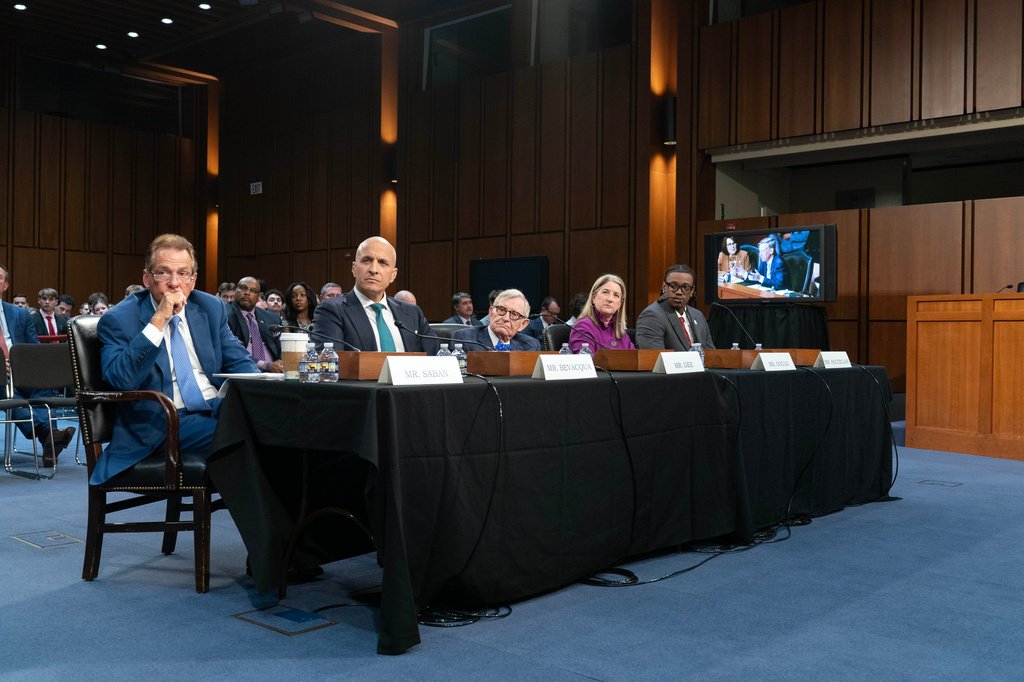
Lawmakers are also considering broader college sports reform, including a bill from Senators Cantwell and Cruz that has been criticized for sidelining athletes. Meanwhile, the Texas Tech QB Sorsby case has exposed deeper issues in sports gambling, and the Senate Commerce Panel recently advanced a reform bill to a floor vote. These developments underscore the complexity of regulating a multibillion-dollar industry.
Grow argues that Congress should instead focus on establishing national rules for athlete compensation, transfers, and recruiting, while demanding greater financial transparency and discipline. “What it should not do is grant college sports an antitrust exemption that allows the industry to charge more for the same product while avoiding the harder task of controlling its own spending,” he writes.
Before giving college sports more power to extract money from viewers, lawmakers should ask a simple question: If more revenue has never solved the spending problem before, why would it now?