China's consumers are pulling back sharply, and the numbers are grim. In June, retail car sales plunged 23 percent year-over-year, and first-half sales were off 20 percent, according to the China Passenger Car Association, which now projects a 14 percent decline for the full year. Smartphone sales, another key gauge, fell 13 percent during the May 26–June 21 shopping festival.
The official narrative from Beijing paints a rosier picture: first-quarter GDP grew 4.4 percent, but that figure is widely viewed as inflated. While exports and high-tech sectors—what some call "islands of excellence"—are thriving, the broader economy is in distress. As British economist George Magnus notes, these pockets of success "are no substitute for good macroeconomic governance and well-institutionalized technology ecosystems that diffuse benefits throughout the economy."
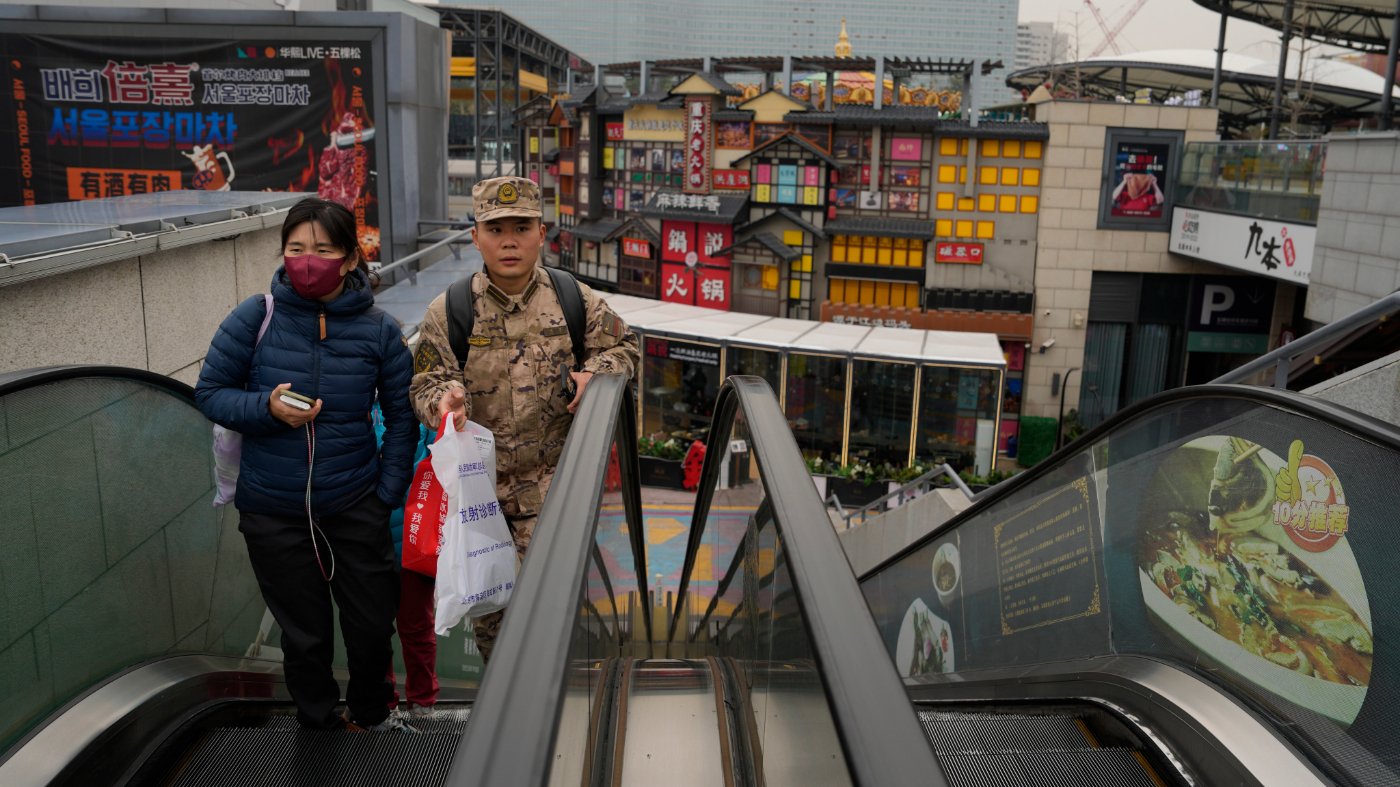
Behind the headline numbers, unemployment is soaring. A December report from GlobalSource Partners estimated the real jobless rate at 20 percent, far above the official urban rate of 5 percent, which analysts dismiss as fantasy. For the first time since the 1990s, Beijing has omitted a numeric urban job creation target from its five-year plan—a stark admission of the depth of the problem.
Underemployment is also rampant. As factories automate—some are "dark factories" with no human workers—millions are being pushed into the gig economy, which now employs about 320 million people, or 44 percent of the workforce. A 30-year-old told Reuters, "Those who used to take taxis now have to drive them themselves." College graduates are competing for shepherd jobs, and young urbanites are "retiring" to farms.
President Xi Jinping has built an economy that suppresses consumer demand to fuel industrial expansion. Artificially low deposit interest rates divert household savings into state-directed lending for infrastructure and manufacturing, leaving less money in consumers' pockets. As a result, consumption now accounts for just 39 percent of GDP—among the lowest in the world—and that share is shrinking.
The property sector, once the engine of growth and household wealth, has collapsed. With 70 percent of Chinese household wealth tied up in real estate, the crash outside the top-tier cities of Beijing, Shanghai, Guangzhou, and Shenzhen has created a severe negative wealth effect, further depressing spending. One analyst described this as "the greatest destruction of wealth in modern history." A source who recently met senior Chinese officials told Harvard Kennedy School scholar Andrew Collier that they see "no end in sight for the bottom of the property market outside of Tier 1."
Xi's industrial ambitions are at odds with the need to rebalance toward consumption, Collier argues. "The collapse of the country's prime growth engine—property—has boxed Xi into a corner. He will have to choose between sustaining his industrial ambitions and fixing underlying weaknesses in the economy through big structural changes." But Anne Stevenson-Yang of J Capital Research USA is blunt: "The chance of structural reform in Xi Jinping's China is none."
This imbalance cannot persist indefinitely. China, with its capital controls and state-directed economy, can defy market forces longer than democratic societies, but a reckoning is inevitable. The only questions are how severe the adjustment will be and how long it will take. For now, Xi's vision of a consumption-driven economy remains a distant mirage.
In the broader geopolitical context, China's economic struggles are reshaping its global posture. As the New Monroe Doctrine reshapes Latin America's stance on China, and as the US debates whether overregulation hands the AI lead to Beijing, the domestic consumption crisis may be Xi's most pressing challenge.