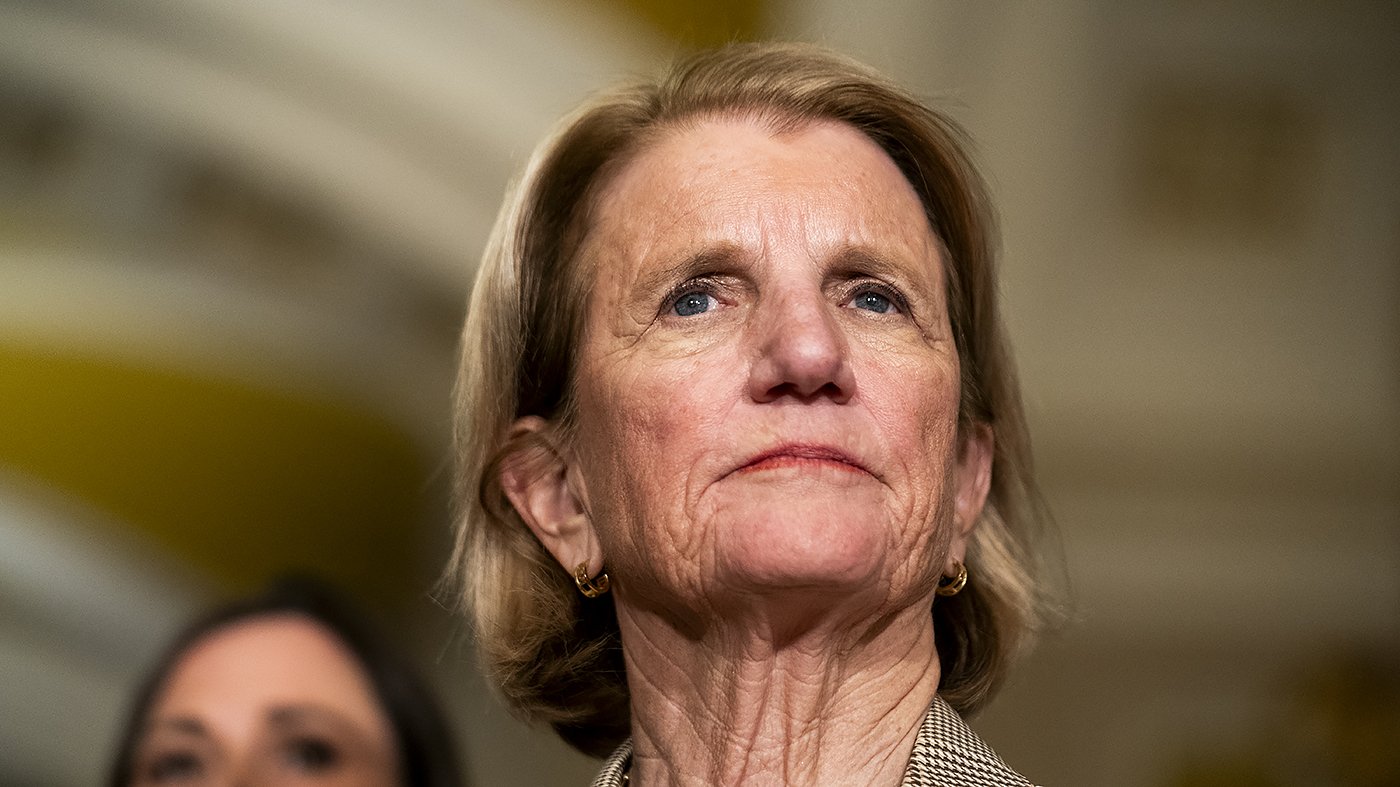
Sen. Shelley Moore Capito (R-W.Va.) cruised to victory in the West Virginia Republican Senate primary Tuesday, according to Decision Desk HQ projections, clearing the path for her reelection bid this fall. The first-term senator overwhelmed a crowded field, taking 66.5 percent of the vote with more than 95 percent of precincts reporting. Her nearest challenger, state Sen. Tom Willis (R), managed just 18.9 percent, while the remaining candidates each garnered less than 5 percent.
Capito, who landed former President Donald Trump's endorsement, framed the outcome as a mandate for conservative governance. “Tonight, West Virginia Republicans sent a clear message that we are ready to continue delivering wins with America First policies through my strong leadership in the U.S. Senate,” she said in a statement. She thanked both her constituents and Trump for their backing, adding, “I’m honored by the trust the people of our state have placed in me and remain energized and ready to continue our positive message that represents our people and West Virginia values into the general election this November.”
The primary result was never seriously in doubt, given Capito’s institutional support and name recognition. She has held the seat since 2015 and previously served in the House. Her victory mirrors similar dynamics in other GOP primaries this cycle, such as in Nebraska, where Trump-backed candidates have consolidated party support. In the Cornhusker State, former Gov. Pete Ricketts faced a competitive primary test, but Capito’s race lacked similar drama.
On the Democratic side, the primary was a tighter affair. Rachel Anderson emerged as the nominee with 33.2 percent of the vote, edging out former state Sen. Jeffrey Kessler, who took 27 percent. Zachary Shrewsbury finished with 16.2 percent, while Thornton Cooper and Rio Phillips trailed with 12.7 percent and 11 percent, respectively. Anderson now faces an uphill climb in a state that has shifted sharply rightward in recent years.
West Virginia has become reliably Republican in federal elections, and Capito is heavily favored to retain her seat in November. The general election will test whether Democratic messaging can gain traction in a state where Trump won by nearly 40 points in 2020. Capito’s campaign has already signaled a focus on economic issues and energy policy, key concerns for the Mountain State’s voters.
The primary results also underscore the continued influence of Trump in GOP primaries, as seen in other contests like Louisiana, where Rep. Julia Letlow is challenging Sen. Bill Cassidy in a race shaped by redistricting battles. In West Virginia, Capito’s alignment with the former president helped her avoid a serious intraparty challenge.
With the primary behind her, Capito will now pivot to the general election campaign, where she will aim to defend her record on healthcare, infrastructure, and coal industry support. Anderson, a progressive activist, will need to rally a fractured Democratic base while appealing to moderate and independent voters in a deeply red state.