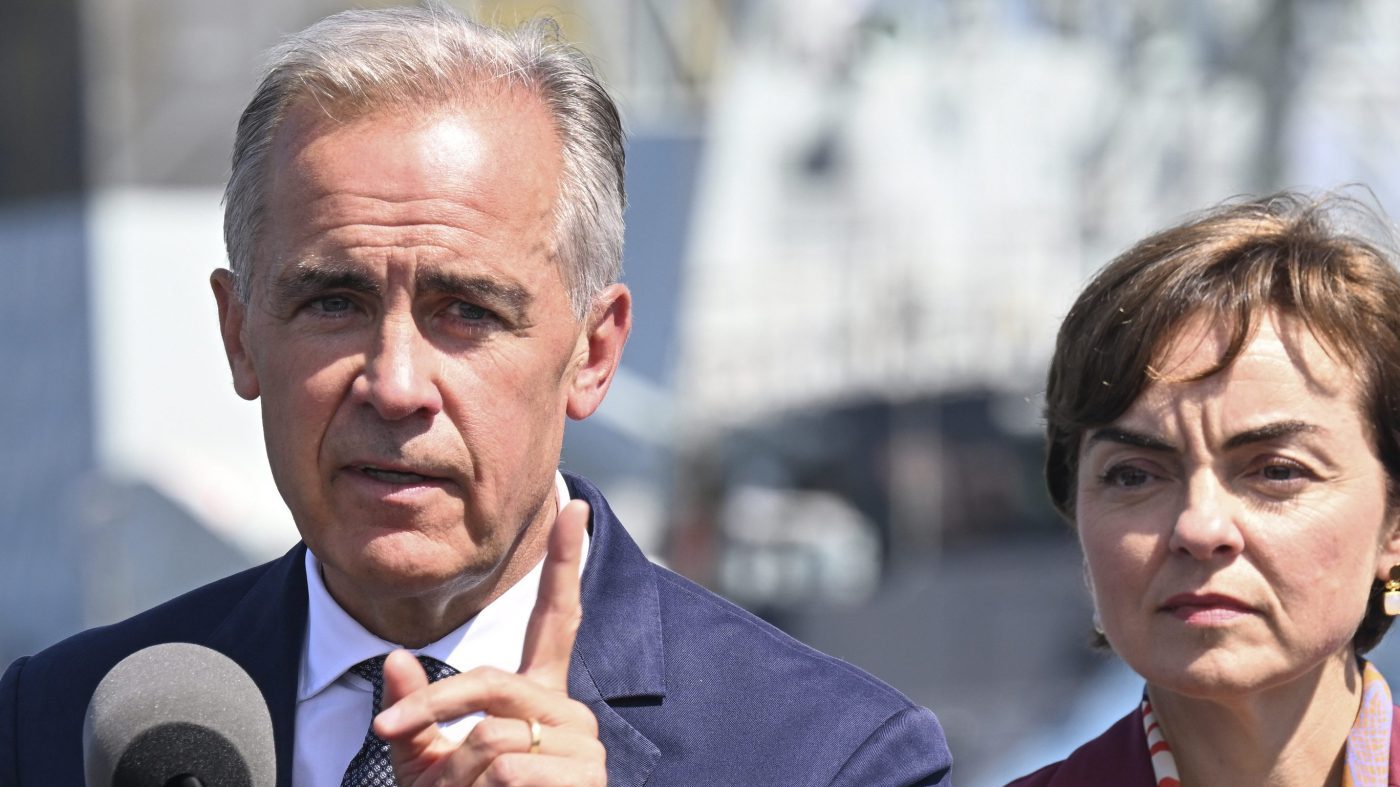
Ottawa is poised to unveil its countermeasures against Washington on Tuesday, following President Trump's latest escalation in the cross-border trade conflict. Prime Minister Mark Carney has pledged a "dollar for dollar" response to the 50 percent tariffs the Trump administration imposed on more than $20 billion in Canadian goods over the weekend.
The Canadian leader, however, signaled Monday that a more calibrated approach may be necessary to protect domestic industries and workers, especially after Trump threatened additional 50 percent duties on cars, trucks, auto parts, and steel starting New Year's Day. Carney pulled his negotiators from trade talks with the U.S. at the last minute on Friday, accusing the administration of treating Canada as "a subsidiary of the United States."
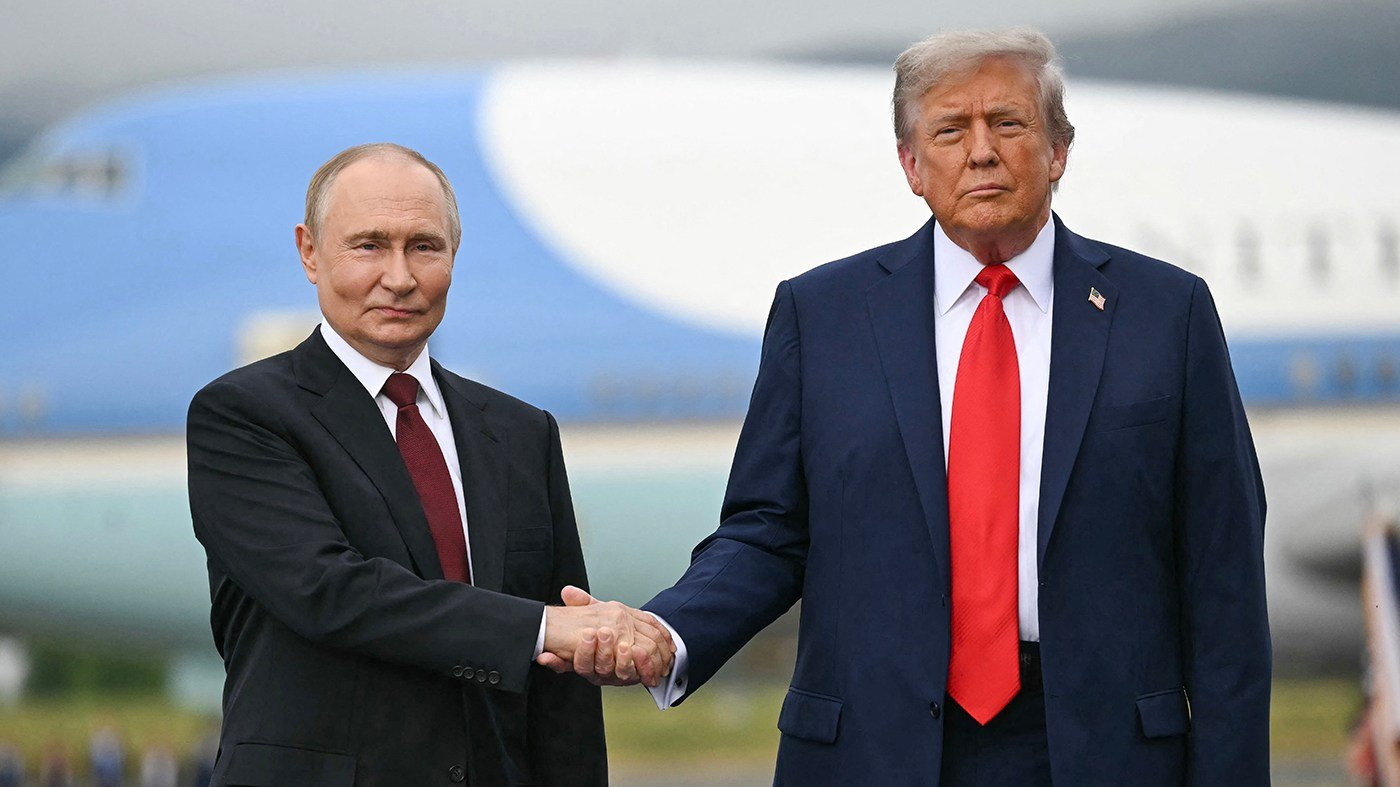
Trump took to Truth Social to accuse Canada of "ripping off the United States of America for years," adding, "On Trade, and in other ways, also, they are among the worst Nations in the World to deal with. They feel entitled, and yet, WE DON'T NEED CANADA, THEY NEED US! They do 95% of their business with the U.S., with us, the exact opposite!"
The escalating feud has also drawn in provincial leaders. Ontario Premier Doug Ford reiterated his threat to cut electricity exports to the U.S., a move that would directly affect Michigan, New York, and Minnesota, which rely on Ontario's power grid. "We power 1.5 million homes and businesses. Everything's on the table. I'll do whatever it takes," Ford said at a press conference.
Trump responded by lashing out at both Carney and Ford, calling the prime minister and "Flunky Ford" examples of "bad leadership." The president, who has repeatedly floated the idea of annexing Canada as the "51st state," also mused on Tuesday about renaming Lake Ontario to "Lake America," though he added he expects to do "much business with Ontario any longer."
The trade war has already begun to ripple through U.S. politics, particularly in border states. Border-state Republicans are feeling the heat as the new tariffs threaten local economies and supply chains. Some Senate Republicans have broken with Trump over the tariff gambit, warning of higher costs for consumers and businesses.
Meanwhile, the trade war shows no signs of cooling, with both sides digging in. Carney's government has emphasized that any retaliation will be designed to minimize collateral damage to Canadian workers while maximizing pressure on U.S. industries.
As the Tuesday announcement approaches, observers expect a mix of targeted tariffs on U.S. goods, potentially including agricultural products, machinery, and consumer goods. The Canadian government has also hinted at non-tariff measures, such as export controls on critical minerals or energy resources, to leverage its position.
The dispute has also become a flashpoint in domestic U.S. politics, with Senator Susan Collins warning of the impact on Maine and Vice President Vance touting the tariffs in a recent rally there. The administration's hardline stance has energized some conservative voters but alarmed business groups and lawmakers from northern states.
With both sides unwilling to back down, the economic stakes continue to rise. Canada is the largest export market for many U.S. states, and the new tariffs threaten billions in cross-border trade. Analysts warn that prolonged uncertainty could disrupt supply chains in the auto, steel, and energy sectors, hitting consumers on both sides of the border.