Canada announced Wednesday it will pursue Swedish-made surveillance aircraft instead of American alternatives, a decision that underscores Prime Minister Mark Carney's push to diversify away from US defense suppliers. The government has entered exclusive negotiations to acquire Saab's GlobalEye early warning jets, which are built on a Canadian Bombardier Global 6500 airframe, a move projected to sustain roughly 3,000 jobs in Canada's aerospace and defense sector.
The selection bypasses Boeing's E-7 Wedgetail—a program plagued by cost overruns—and L3Harris's Aeris X. Carney framed the choice as both a security and economic imperative. “The first job of the government is to keep Canadians safe,” he said in a statement. “With our new strategy, we are building our economy and creating careers in the skilled trades, science and engineering. The GlobalEye procurement will help us secure our North and build our economy at once.”
GlobalEye is equipped with active and passive sensors capable of long-range detection and identification of objects in the air, at sea, and on land, making it a cornerstone for Arctic surveillance—a region of growing strategic importance as climate change opens new shipping routes and resource competition intensifies. Swedish Prime Minister Ulf Kristersson hailed the deal on X, saying, “By operating GlobalEye, Canada strengthens its ability to safeguard their sovereignty while contributing to NATO’s collective defence, including being a vital asset for surveillance and control of the Arctic region.”
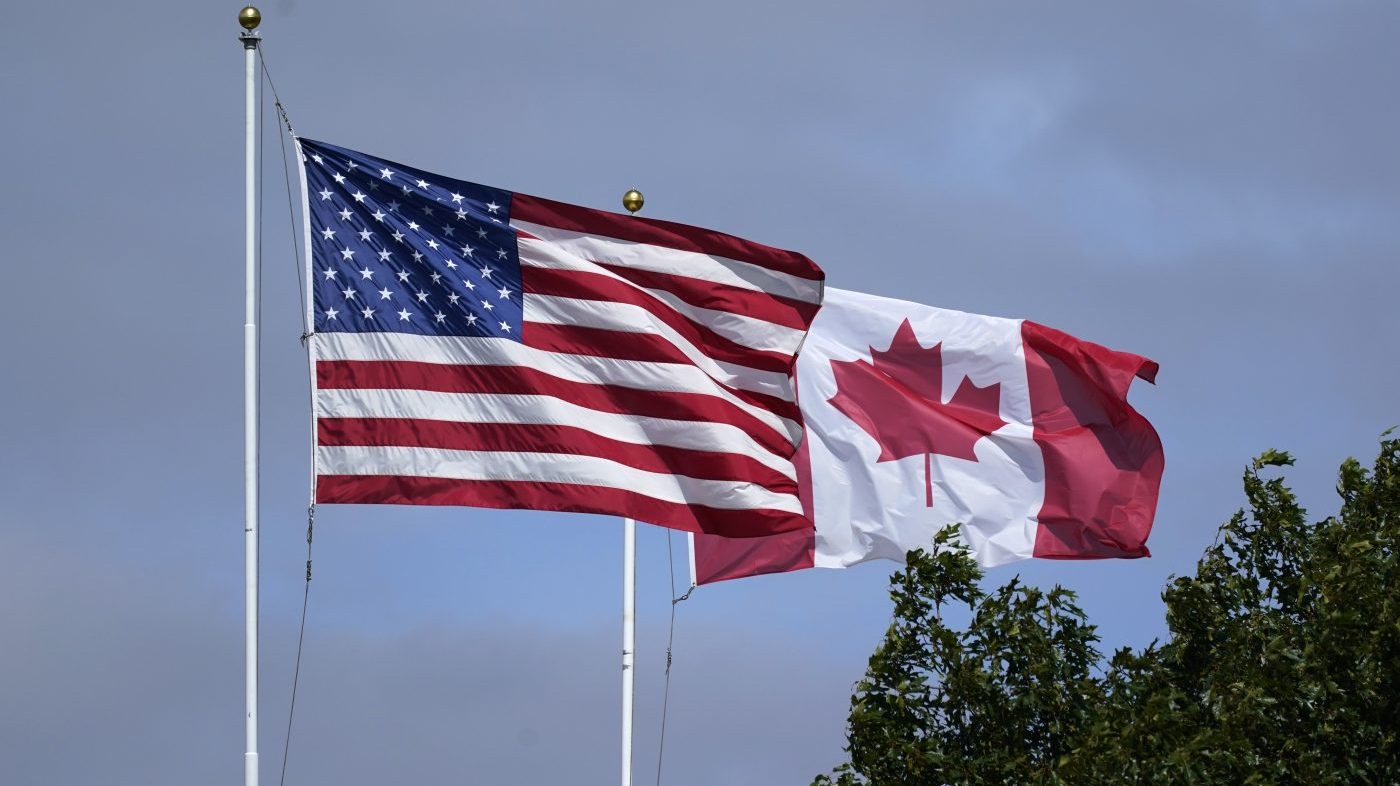
The contract comes amid broader tensions between Ottawa and Washington. The Pentagon recently suspended its participation in the Permanent Joint Board on Defense, a longstanding bilateral military consultation body, after Carney’s remarks at the World Economic Forum earlier this year—a move that signals fraying defense coordination. Meanwhile, Carney has ordered a review of Canada's planned purchase of 88 US F-35 fighter jets, following President Donald Trump's imposition of tariffs on Canadian imports. Saab is hoping to position its Gripen fighter as an alternative.
Canada has faced persistent criticism from the US and other allies for failing to meet NATO's target of spending 2% of GDP on defense. Last year, Ottawa pledged to increase defense outlays and joined the European Union's Security Action for Europe, aligning more closely with European defense industrial partners. This pivot is part of a broader strategic reassessment that includes exploring closer ties with the EU, as evidenced by recent discussions about potential EU membership and trade diversification.
The GlobalEye procurement also carries domestic political weight. Carney's government is betting that the jobs created by the deal—spanning skilled trades, engineering, and science—will bolster support amid economic uncertainty. The aircraft's Canadian-made airframe provides a direct link to Bombardier's supply chain, offering a tangible industrial benefit.
However, the decision is likely to further irritate Washington, which has already signaled displeasure with Canada's defense spending and trade policies. The USMCA review, looming ahead of a July deadline, adds another layer of friction. Canada's trade stonewalling has threatened that review, as Ottawa seeks to protect its market access while forging new partnerships.
For now, Carney's government is moving ahead with a defense strategy that prioritizes sovereignty and industrial growth over traditional reliance on US hardware. The GlobalEye deal, if finalized, will mark a significant milestone in Canada's effort to redefine its security posture in a rapidly shifting geopolitical landscape.