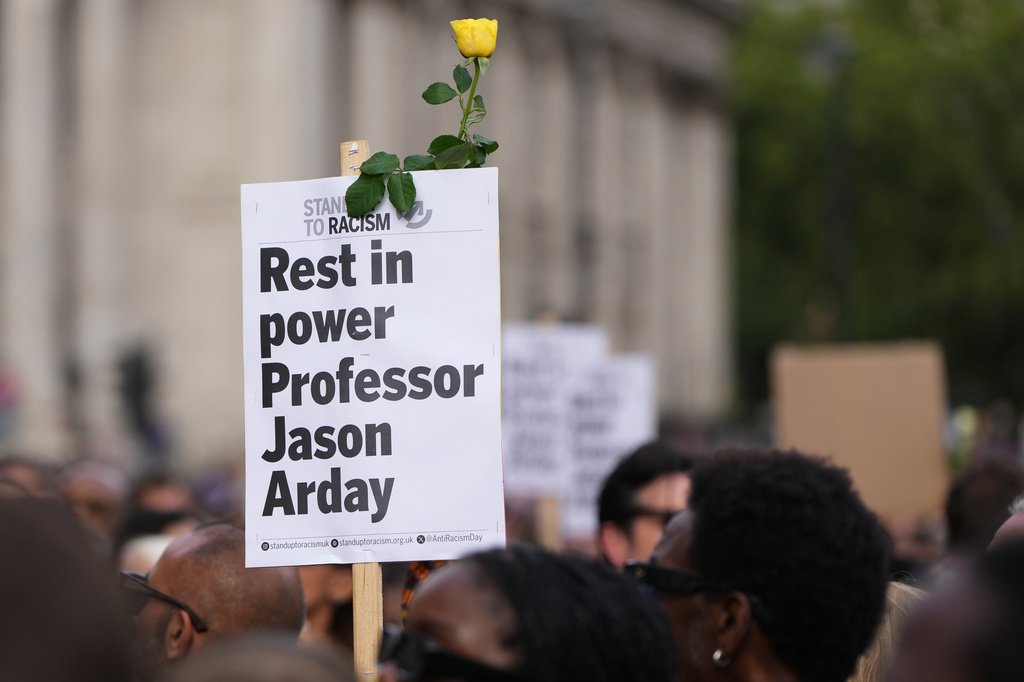
The tragic death of Cambridge University sociologist Jason Arday has reignited a fierce debate about the state of higher education, with critics arguing that universities have abandoned merit and evidence in favor of ideological conformity. Arday, who died by apparent suicide following plagiarism and fraud allegations, became a symbol of what many see as the corrosive effects of identity-based hiring practices.
Arday, hailed as Cambridge's youngest Black professor, faced accusations of lifting passages from other scholars and fabricating parts of his biography, including claims that he could not speak until age 11. Despite these allegations circulating soon after his appointment, the university largely ignored them until recently. His supporters dismissed the controversy as a racist witch-hunt, but author Jonathan Zimmerman, writing in a new analysis, contends that this defense exemplifies a broader failure to apply rational scrutiny when race is involved.
Zimmerman points to the comments of Rep. Alexandria Ocasio-Cortez, who recently distanced herself from the “defund the police” rhetoric of 2020, calling it “crazy.” He argues that while politicians can pivot away from such excesses, universities remain mired in what he calls “Woke 101,” where identity trumps qualifications and evidence is often disregarded.
Central to Zimmerman's critique is the experience of Tyler Austin Harper, an African-American professor who recently resigned from Bates College. Harper, once a supporter of affirmative action, recounts in The Atlantic how serving on search committees revealed that candidates' qualifications were secondary to their racial identity. Colleagues were willing to hire vastly less-qualified Black scholars solely because of their race, a practice that Harper found devalued his own achievements.
Harper also describes a disturbing incident where a colleague accused a white student of attempting to “lynch” his Black roommate over a dispute about calling the police. The accusation was baseless, but it illustrates, Zimmerman argues, how academics often ascribe racism without sufficient evidence, undermining their credibility as truth-seekers.
Zimmerman notes that Arday's own claims of being threatened with a knife and receiving a pig's head were accepted without question, despite police finding no witnesses. This credulity, he suggests, stems from a worldview that assumes racism is ubiquitous, making any Black scholar a potential victim. The result, he says, is that Arday's race insulated him from scrutiny, allowing his alleged misconduct to go unchecked.
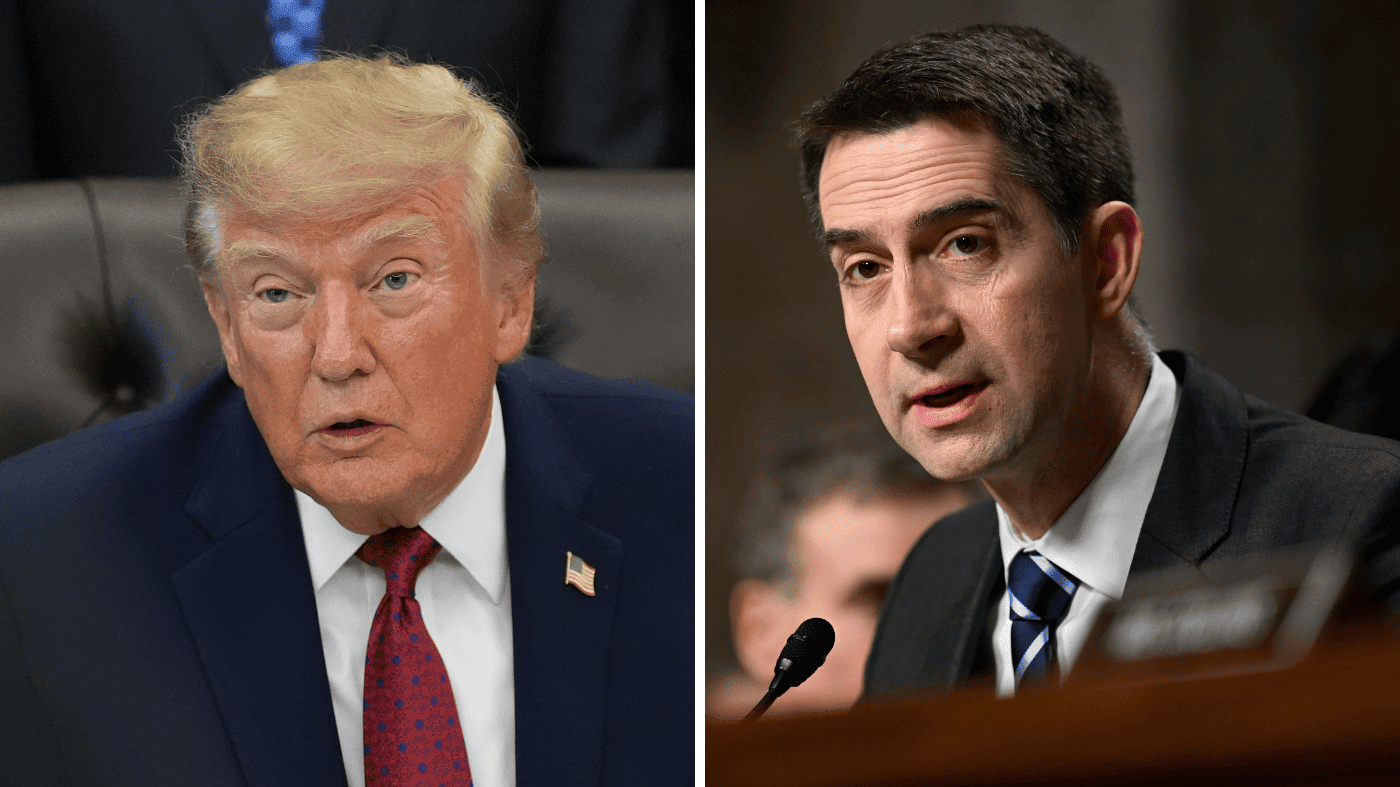
The fallout from such scandals, Zimmerman argues, plays directly into the hands of conservative critics like Vice President JD Vance, who has called universities “the enemy.” The Trump administration has already begun extracting fines and withholding grants, framing academia as a hotbed of indoctrination rather than a source of knowledge.
To counter this narrative, Zimmerman insists that universities must recommit to the principles of evidence and merit. “The Arday tragedy is proof positive that universities have lost their way on race,” he writes, “substituting what we want to be true for what we actually know.” Unless they do so, they will continue to cede ground to those who seek to dismantle them, a prospect that threatens the very future of civic education and institutional trust.
The broader implications extend beyond campus, as debates over authoritarian governance and executive power continue to shape the political landscape. For now, the Arday case serves as a stark reminder that when universities abandon their core principles, they not only betray their mission but also hand their enemies the ammunition they need.