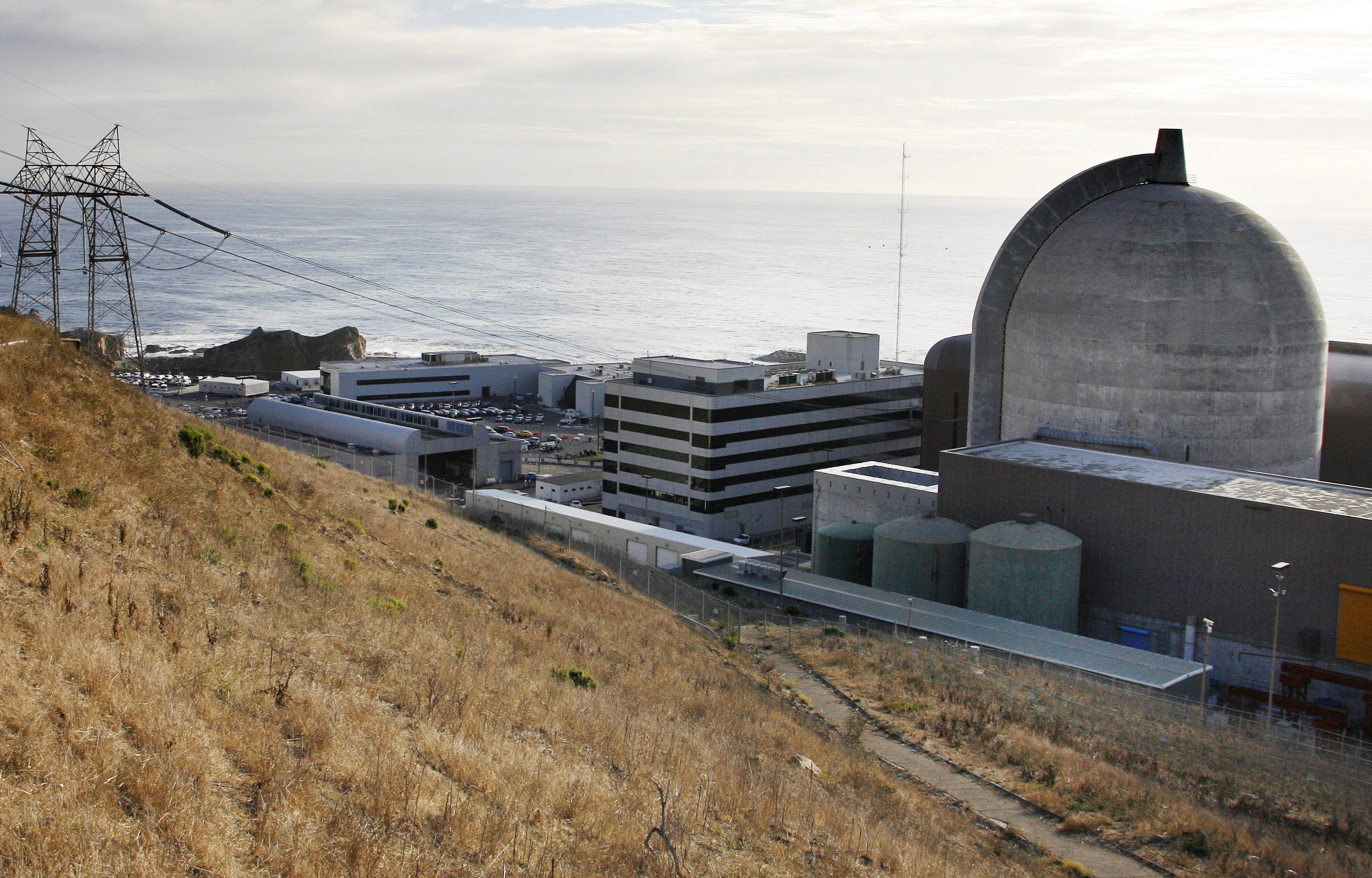
When California announced plans to shutter Diablo Canyon in 2016, the state’s last nuclear plant, it seemed to cement nuclear power’s status as a pariah among environmentalists. But the political landscape has shifted dramatically. At a May 6 gubernatorial debate, moderators asked whether the plant should keep running past 2030. All seven candidates answered yes.
The reversal reflects a broader rethinking of nuclear energy, driven by climate change and rising electricity costs. With modern safety upgrades and a growing appetite for carbon-free power that runs 24/7, nuclear has gained new fans—especially among younger Americans. Polls show half of those aged 18 to 34 would support building a nuclear plant in their own community. Yet major legacy groups like Friends of the Earth, the Sierra Club, and Greenpeace remain entrenched in opposition, increasingly out of sync with the generation they claim to represent.
Nuclear power is not without flaws. The levelized cost of advanced nuclear was about $110 per megawatt-hour in 2023, while solar and wind came in at $55 and $40, respectively. New reactors require heavy upfront investment and often face delays and cost overruns. Concerns about radioactive waste storage, water use, and uranium mining persist—especially on Indigenous lands, where Cold War-era mining left a legacy of sickness and contamination.
But those concerns don’t tell the full story. Nuclear’s power density is unmatched: just 93 U.S. reactors supply roughly 20 percent of the nation’s electricity. Unlike fossil fuels, it emits no carbon while generating power. And unlike solar or wind, it runs constantly, providing grid stability during peak hours and bad weather. Since March 2025, renewables and nuclear together have powered more than half the U.S. grid for a full month three times, suggesting a complementary path forward.
Safety has improved markedly since Three Mile Island. Operators now undergo rigorous training, control rooms and emergency procedures have been upgraded, and modern reactor designs rely on passive safety systems. Uranium mining today follows stricter ventilation and monitoring standards. Even including Chernobyl and Fukushima, nuclear causes 99.8 percent fewer deaths per unit of electricity than coal and 97.6 percent fewer than gas. The waste problem is political, not technical: the total volume of spent fuel is small and safely stored on-site, but politicians can’t agree on a permanent disposal site.
Despite this, legacy environmental groups have not evolved. Friends of the Earth helped negotiate the 2016 closure deal, sued over federal funding, and campaigned against Diablo Canyon’s extension. The Environmental Working Group called the plant “costly and dangerous,” and the Sierra Club’s local chapter filed comments opposing the extension. These groups haven’t engaged in nuanced debate about site-specific issues; they’ve waged an unyielding war on nuclear power, ignoring that Diablo Canyon has passed dozens of NRC safety reviews and provides 8.5 percent of California’s electricity with minimal climate impact.
This puts them at odds with the very stakeholders they champion. Term-limited Governor Gavin Newsom has welcomed the extension of Diablo Canyon’s license through 2045, calling it a climate achievement. A student group at Cal Poly, just 20 miles from the plant, has organized in support, reporting no dissent from peers. Even youth-led climate organizations like Sunrise Movement and Fridays for Future have struck a different tone, signing broad coalition letters but avoiding the kind of local mobilization they deploy against fossil fuels.
California’s slow vote count has already raised concerns about future election chaos, as seen in recent contests. Meanwhile, the gubernatorial race is heading to a general election between Xavier Becerra and a Trump-backed candidate, with nuclear policy now a key dividing line. As the state grapples with these shifts, the old guard of environmentalism may find itself increasingly irrelevant if it cannot adapt.