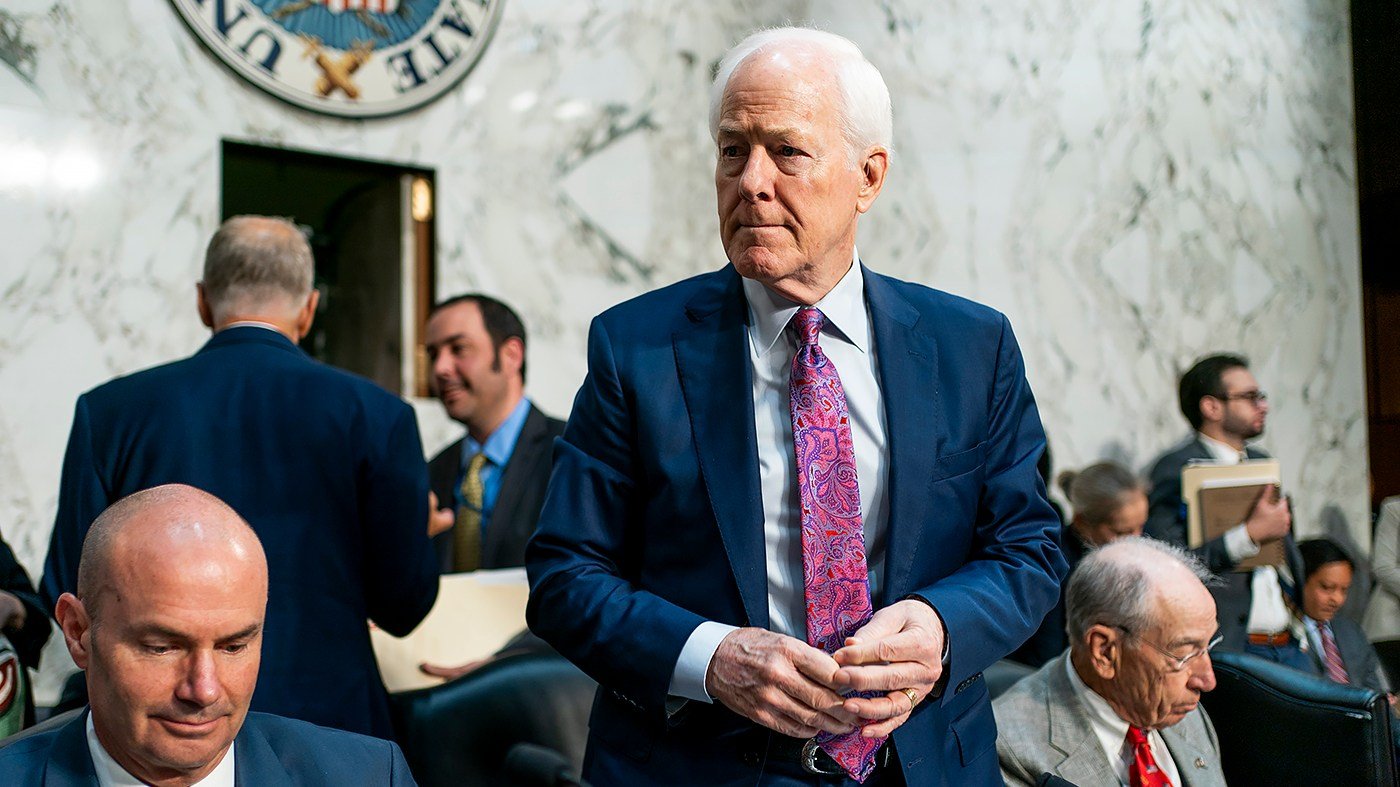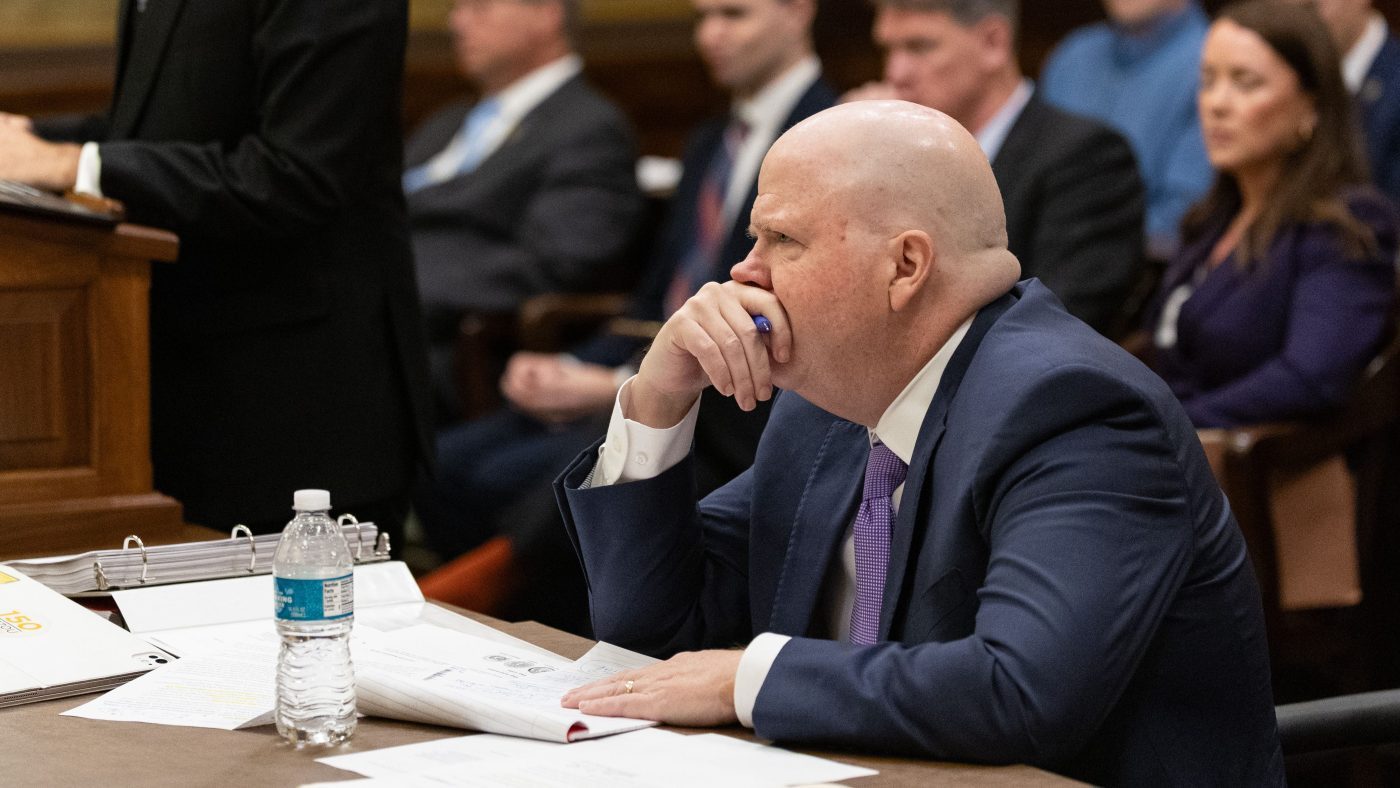
Four House lawmakers, each leading a distinct ideological caucus, have set aside their policy disagreements to launch the Congressional Free Enterprise Caucus, a bipartisan effort to reaffirm the American free enterprise system as the foundation of the nation's economic and military strength. The group—comprising Republican Study Committee Chair August Pfluger, Blue Dog Coalition Co-Chair Lou Correa, Republican Governance Group Chair David Valadao, and New Democrat Coalition Chair Brad Schneider—represents a broad swath of the House majority, from fiscal conservatives to centrist Democrats.
In a joint statement, the lawmakers acknowledged their frequent disagreements on taxes, regulation, and spending, but argued that a shared belief in free enterprise as the economic embodiment of the American Dream unites them. “Free enterprise is freedom and opportunity,” they wrote, emphasizing that success should hinge on hard work and innovation, not background or connections. The caucus aims to counter growing skepticism from both political fringes, where loud voices question whether markets remain the best engine for prosperity.
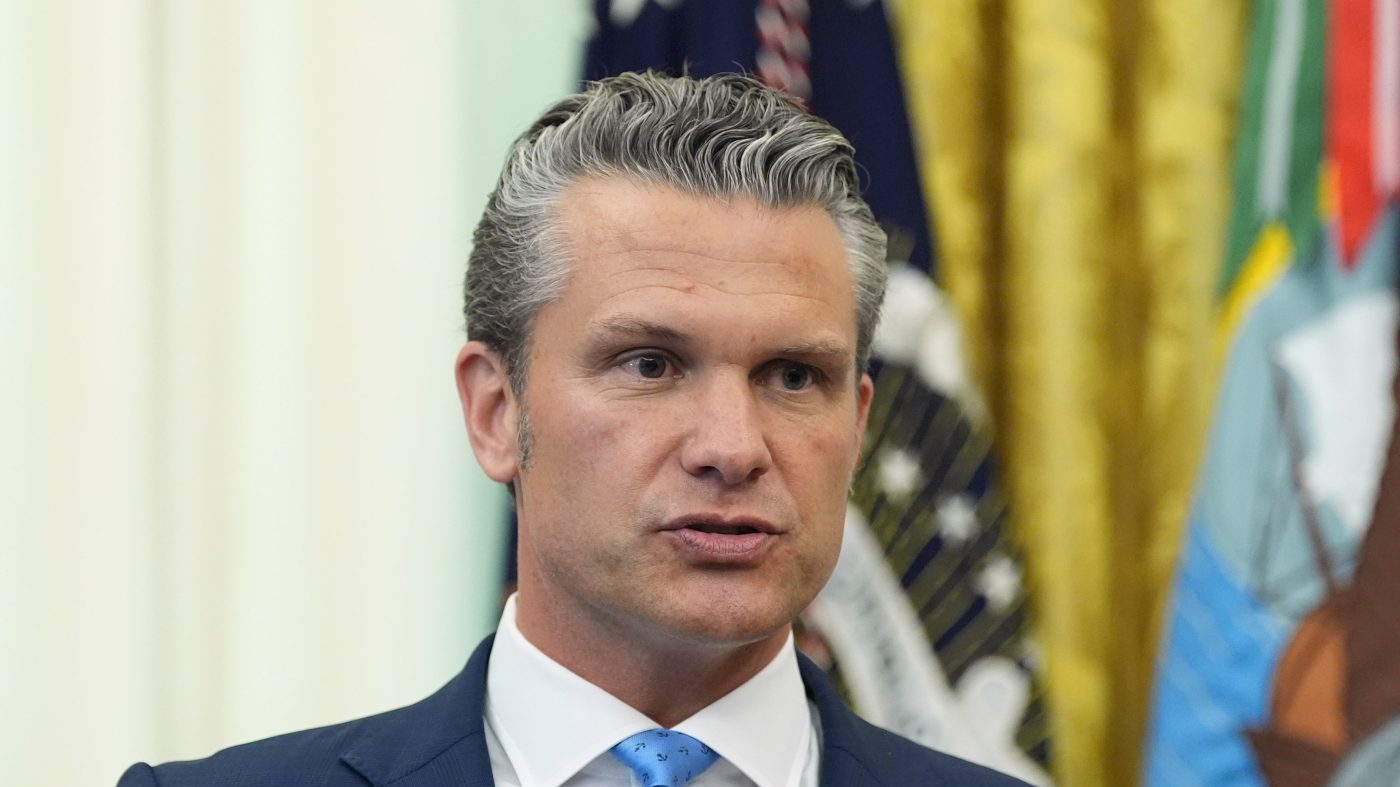
The launch comes as the U.S. faces mounting economic pressures: the national debt has surpassed $36 trillion, interest payments are consuming a growing share of federal resources, and productivity growth has slowed. Meanwhile, competition from China in advanced manufacturing and artificial intelligence threatens America’s global edge. A recent poll underscores public doubt, showing a majority of Americans now question whether anyone can achieve the American Dream—a sentiment the caucus hopes to reverse.
Three Pillars for Growth
The caucus is built on three core principles. First, it advocates for sustained annual economic growth of at least 3%, arguing that federal policy must be deliberately crafted to boost competitiveness. Second, it stresses that growth cannot be separated from fiscal responsibility, warning that unchecked debt acts as a drag on expansion and burdens future generations. Third, it calls for “thoughtful, reasonable, and narrowly tailored” regulation—acknowledging the need for protections on health, safety, and competition, but cautioning against excessive rules that stifle entrepreneurship.
“Regulations play an important role in protecting public health, safety, and competition,” the lawmakers noted, “but excessive or overly burdensome regulation can stifle entrepreneurship and disincentivize investment.” They pledged to work for a predictable regulatory environment that allows U.S. businesses to compete globally, particularly in sectors like energy and technology.
Bridging the Divide
The caucus is intentionally designed as a forum for cross-party dialogue, bringing together members from the Republican Study Committee, the Blue Dog Coalition, the Republican Governance Group, and the New Democrat Coalition. In an era of increasing polarization, the group aims to build consensus on economic issues, working with industry and stakeholders to craft lasting legislation. While acknowledging that not every question has a bipartisan answer, they insist that both parties must remain anchored in the belief that “growth is good, too much debt is dangerous, and economic freedom is worth defending.”
The effort comes at a time when political incentives often reward division, but the lawmakers argue that preserving the free enterprise system is essential to securing America’s economic leadership. “The American free-enterprise system has delivered more opportunity and prosperity than any economic model in human history,” they concluded, vowing to reaffirm that truth through the caucus’s work.