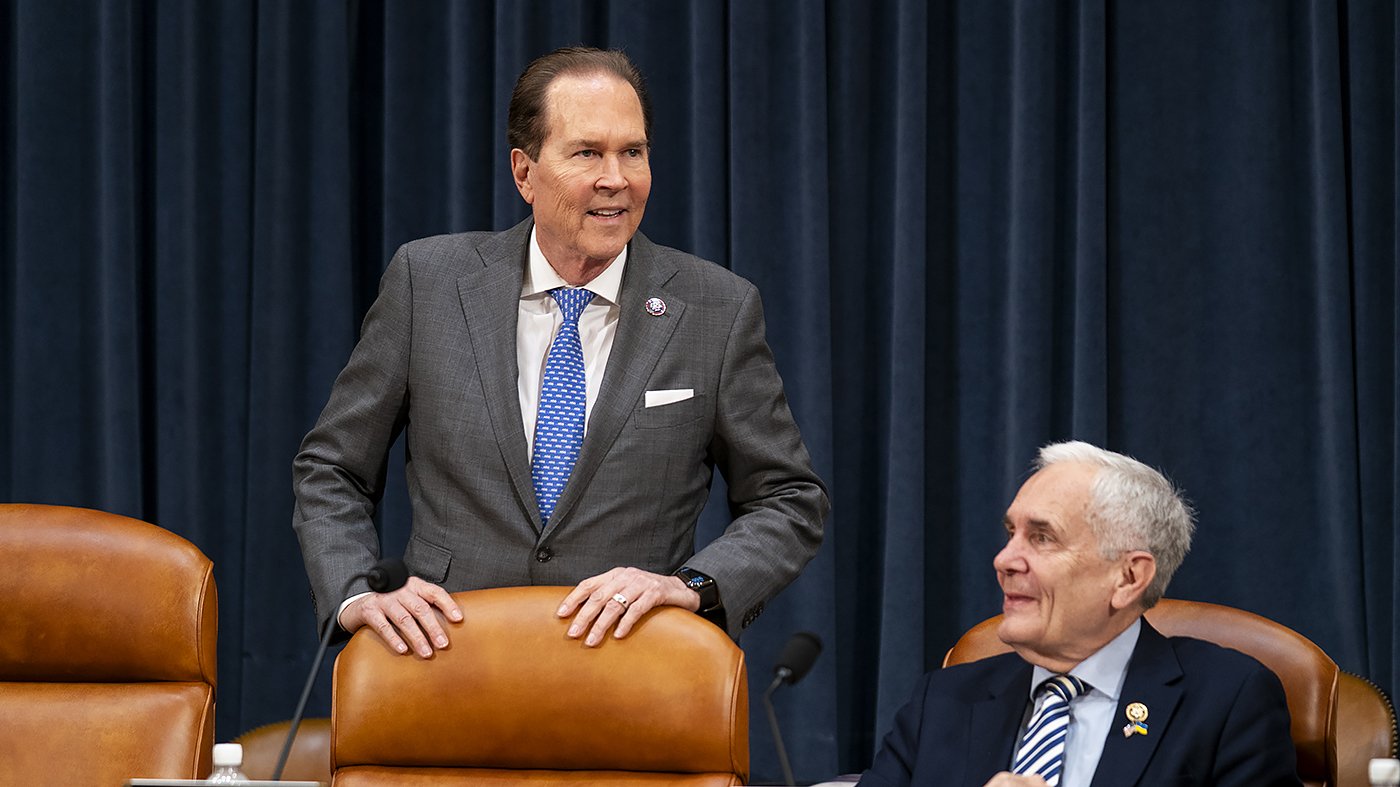
In a rare display of cross-aisle cooperation, Representatives Paul Tonko (D-N.Y.) and Vern Buchanan (R-Fla.) are championing legislation to overhaul how Medicare approaches Alzheimer's disease, framing early detection as a fiscal imperative the nation cannot afford to postpone. Their Alzheimer's Screening and Prevention (ASAP) Act aims to secure coverage for newly approved blood-based diagnostic tests, shifting the healthcare system toward proactive intervention.
The Case for Proactive Screening
During a policy event hosted by The Hill on Thursday, the lawmakers argued that the current reactive model for treating Alzheimer's is economically unsustainable. "I think our whole health care system is backwards. We react to things instead of being proactive," Buchanan stated. He emphasized the personal stakes, noting his father lived with the disease for a decade, and cited data showing over 7 million Americans are currently affected.

"The point is to get after these things in the early stages the best we can," Buchanan said, highlighting bipartisan support with roughly 50 co-sponsors evenly split between parties. "We will find a way to get the money, the funds, one way or the other, because it's too expensive not to." This push for preventative healthcare mirrors other bipartisan efforts, such as the recent Senate proposal to cap insulin costs, which also targets long-term savings through upfront affordability.
Legislative Mechanics and Medical Advances
The ASAP Act would explicitly authorize the Centers for Medicare and Medicaid Services (CMS) to cover FDA-approved blood tests for Alzheimer's, directing the agency to establish coverage parameters. This legislative fix is necessary because the Social Security Act bars payment for services not deemed "reasonable and necessary," a standard these novel diagnostics might not yet meet under existing rules.
The urgency stems from recent medical progress. Last year, the FDA greenlit the first blood tests for Alzheimer's, including the Lumipulse and Elecsys assays, which detect biomarkers like amyloid plaques in adults 55 and older. "You have to add this to the list," Tonko argued. "Because it's less invasive, and because there is hope here to have earlier detection."
Clinical and Personal Benefits of Early Diagnosis
According to the Alzheimer's Association's 2025 report, early detection is clinically crucial. It often enables better management to slow disease progression and is a prerequisite for patients to access new antiamyloid medications like donanemab and lecanemab, which are only approved for those in early stages.
Beyond medical treatment, an early diagnosis can reduce patient anxiety, encourage healthier lifestyle choices, and allow individuals and families to make informed personal, legal, and financial plans. This focus on patient agency and systemic efficiency stands in contrast to other, more contentious health policy debates, such as the partisan push to restrict access to mifepristone.
The Broader Political and Fiscal Landscape
The bill's advancement will test Congress's ability to fund new healthcare mandates amid tight budgetary constraints. Its bipartisan nature suggests it could navigate a divided House, similar to how some lawmakers are seeking consensus on deficit reduction. However, its success is not guaranteed, as other bipartisan initiatives have faltered, exemplified by the recent collapse of a solar industry coalition over geopolitical tensions.
Ultimately, Tonko and Buchanan are making a calculated bet that the long-term savings from preventing advanced Alzheimer's cases—through reduced need for intensive care and support services—will outweigh the immediate cost of widespread screening. Their argument reframes healthcare spending from a mere expense to a strategic investment in the nation's fiscal and human capital.