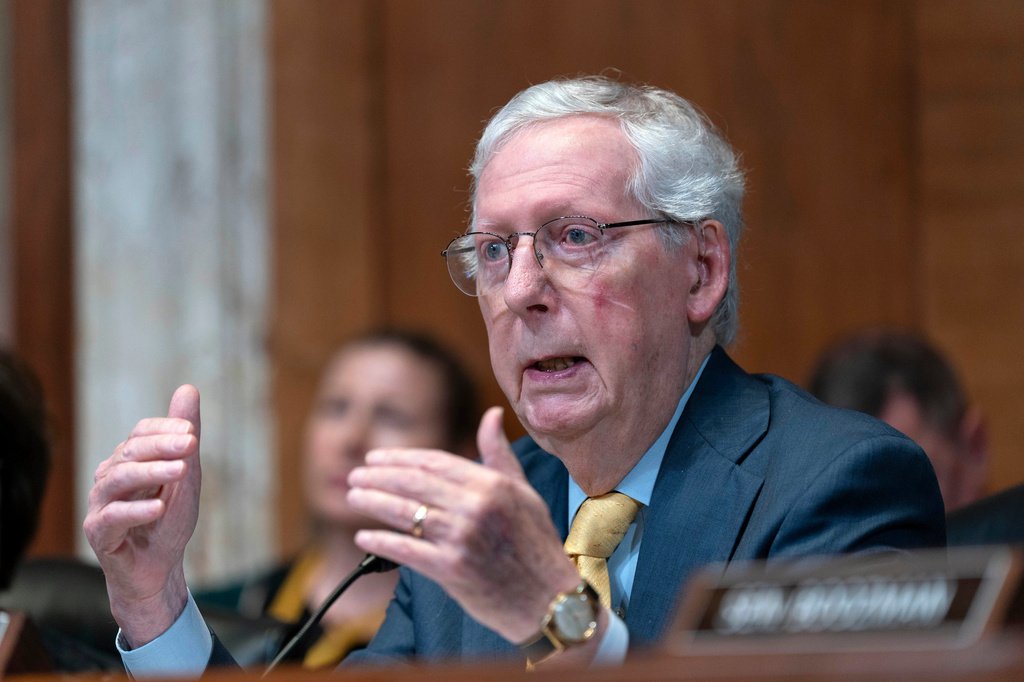
In a political twist echoing his own 1984 campaign tactics, Senate Minority Leader Mitch McConnell is facing mounting pressure to prove he is still fit for duty after an extended absence from the Senate floor. Kentucky's Democratic Governor, Andy Beshear, is demanding that McConnell record a video message to address rampant speculation about his health, which has been fueled by his silence since a June hospital visit.
McConnell, 84, has not cast a vote since June 11, a stretch of more than six weeks that is expected to extend through the Senate's August recess. His absence began after an ambulance transported him to a hospital on June 14. Beshear, who has not shied from criticizing McConnell, argues that the longtime senator owes his constituents an explanation. "When you've been in a hospital for a month and you've missed all the votes, which is your job – basically... you owe your boss, like anybody else out there... an explanation of what's been going on," Beshear said.
The governor's call comes amid reports that two Kentucky officials have told him McConnell is either near death or already dead. While McConnell is not seeking reelection, the controversy has become a flashpoint in the battle over who will succeed him, with Beshear and the Republican-controlled legislature already jockeying for influence. The political stakes are high, as McConnell's absence has meant missed votes on critical legislation and key nominees, including those for U.S. intelligence and the Justice Department.
Ironically, McConnell's own political rise was fueled by an attack ad in 1984 that used bloodhounds to mock then-Senator Walter Huddleston for missing votes on Social Security, the budget, and defense. At the time, Huddleston had a 94% voting attendance record. Now, McConnell faces similar scrutiny, though his situation is more severe given his age and health concerns.
The speculation has been amplified by the recent death of South Carolina Senator Lindsey Graham, who died at 71. McConnell was unable to attend Graham's memorial service last week, adding to concerns about his condition. If McConnell were a rank-and-file senator, his absence might not draw such attention, but he is a historic figure—having served seven terms and as the longest-serving Senate party leader, known for his strategic prowess and influence over the judiciary and campaign finance.
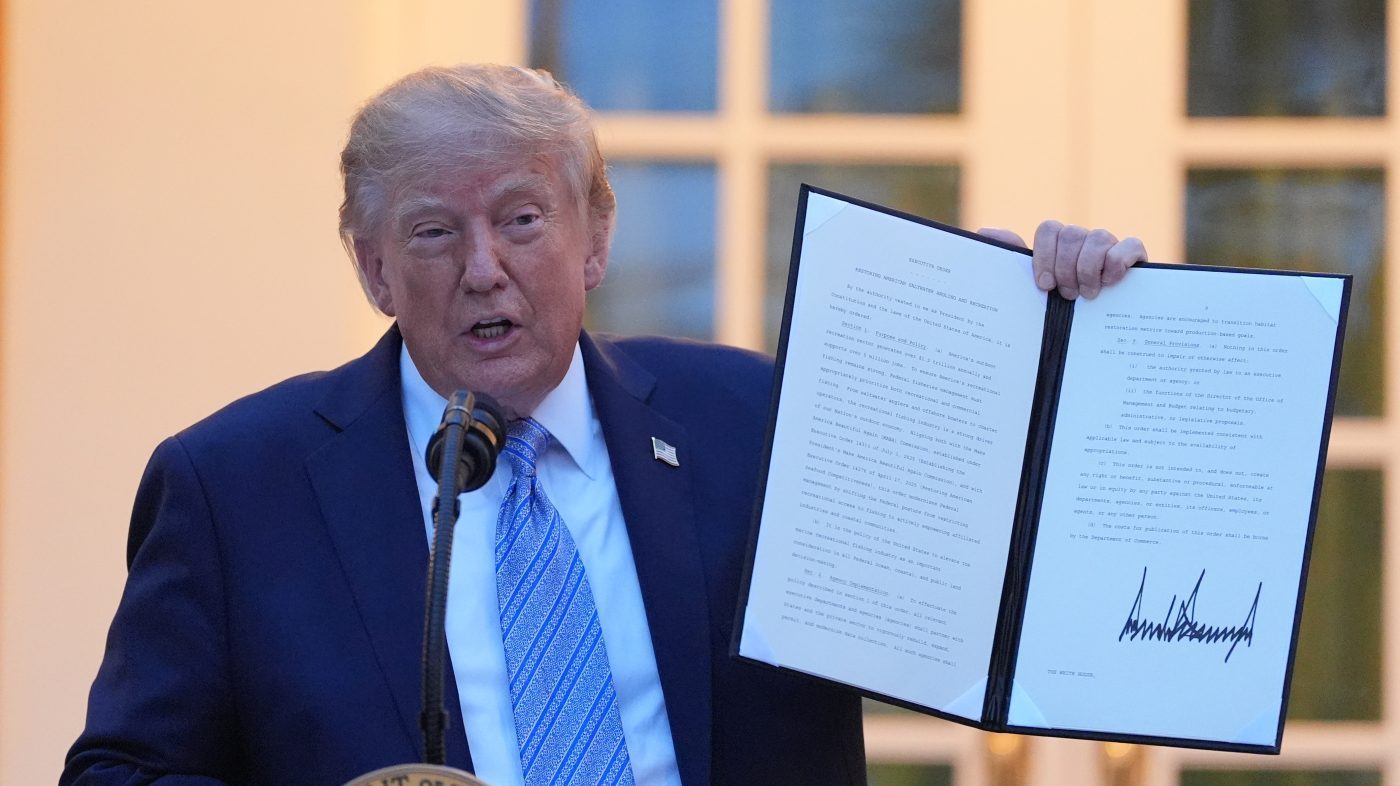
His absence also weakens the Republican Party's ability to counter President Trump's demands, particularly as Trump pressures current Senate Majority Leader John Thune to end the filibuster and pass restrictive voting laws. Trump has expressed frustration with Thune, and his White House press secretary, Karoline Leavitt, said the president is "running out" of patience. Meanwhile, GOP senators worry Trump's agenda threatens midterm chances, and polling shows Trump's approval at record lows, with 61% disapproval and 53% of voters favoring Democrats in House races.
House Speaker Mike Johnson has also shown signs of strain, reportedly snapping at his members during a recent meeting, saying, "I'm sick of this s—." The Republican Party's struggles are evident, and McConnell's absence only compounds the challenges. As the party grapples with internal divisions and a difficult political climate, the question remains: can any political advertising spin rescue the flailing Republicans?
For now, McConnell's silence speaks volumes, and GOP senators rally behind McConnell amid health questions, but the pressure from Beshear and the public is unlikely to subside. The senator's next move could define his legacy and shape the political landscape in Kentucky and beyond.