Forty years after Geraldo Rivera cracked open an empty vault and launched a new era of television, author William Hazelgrove hauled a 140-pound safe to a Chicago sidewalk to sell his book. The stunt, staged on April 21 at 2135 S. Michigan Avenue, was a deliberate echo of what many still call the biggest disaster in TV history.
Hazelgrove's book, Capone's Vault: The Biggest Disaster in Television, had just hit shelves. Despite generous media coverage—including WGN appearances, a full-page Chicago Tribune feature, and radio interviews—he felt he needed more. So at 5 a.m., he unloaded a prop safe from his SUV and set up lights, hoping to lure morning news crews covering the anniversary.
His plan was simple: open the safe on camera, revealing bottles, money, and a cellphone, while interviewing Rivera via Zoom. But as with the original broadcast, things went sideways. WGN's crew did a quick segment where Hazelgrove couldn't reveal the contents, then cut back to the studio. The station then commandeered the Rivera interview, never returning to the safe. Crews packed up and left. Hazelgrove loaded the safe back into his SUV and drove home in the dawn light.
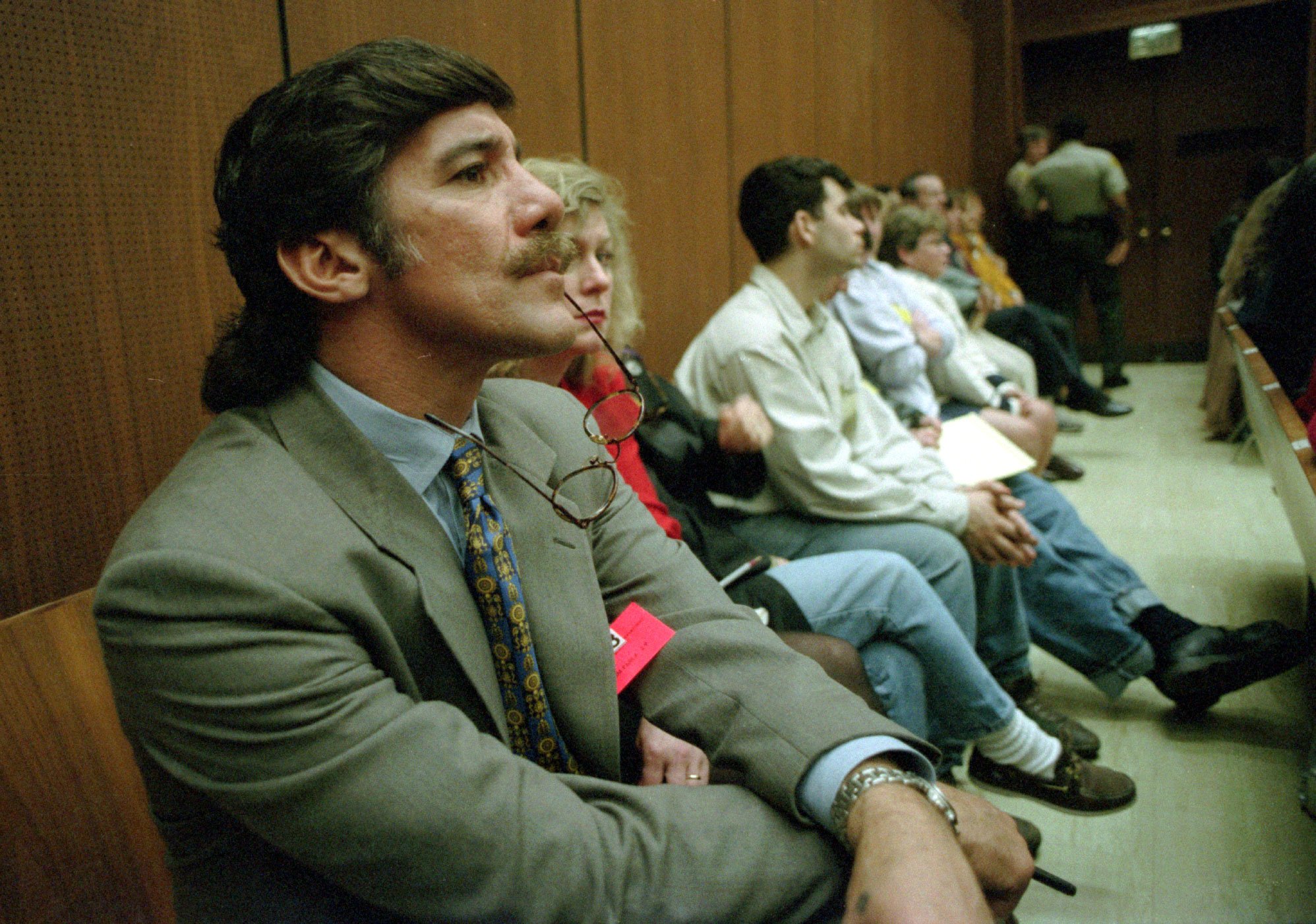
The original 1986 broadcast was a gamble by a fledgling entertainment company. Rivera narrated the excavation of the Lexington Hotel basement, where Al Capone once ran his Chicago operation. Legend promised millions hidden behind a 5,000-pound slab. Instead, cameras found nothing but dirt and debris. Rivera feared his career was over—until ratings showed 30 million people had watched. The empty vault became a national joke, but Rivera's career soared.
"The lesson was that people did not care that there was nothing in the vault," Hazelgrove writes. "They were just there for the ride." That failure, he argues, was actually the birth of reality TV: live suspense, viral disappointment, and the American appetite for watching something happen in real time. The same dynamic now shapes politics and media, from slow vote counts in close elections to the unpredictable fallout of live-streamed debates.
When Hazelgrove interviewed Rivera for the book, he asked about the broadcast's legacy. Rivera said he feared his tombstone would read, "There was nothing there." But then he added, "You can never fake the spontaneity of surprise."
Driving home with his empty safe, Hazelgrove understood. The stunt didn't sell many books, but it captured something essential about modern media: the spectacle itself matters more than the outcome. As politicians and news networks alike have learned, an empty vault can still draw a crowd.
William Hazelgrove is also the author of the forthcoming The Camp Mystic Disaster: Tragedy and a One Hundred Year Flood.