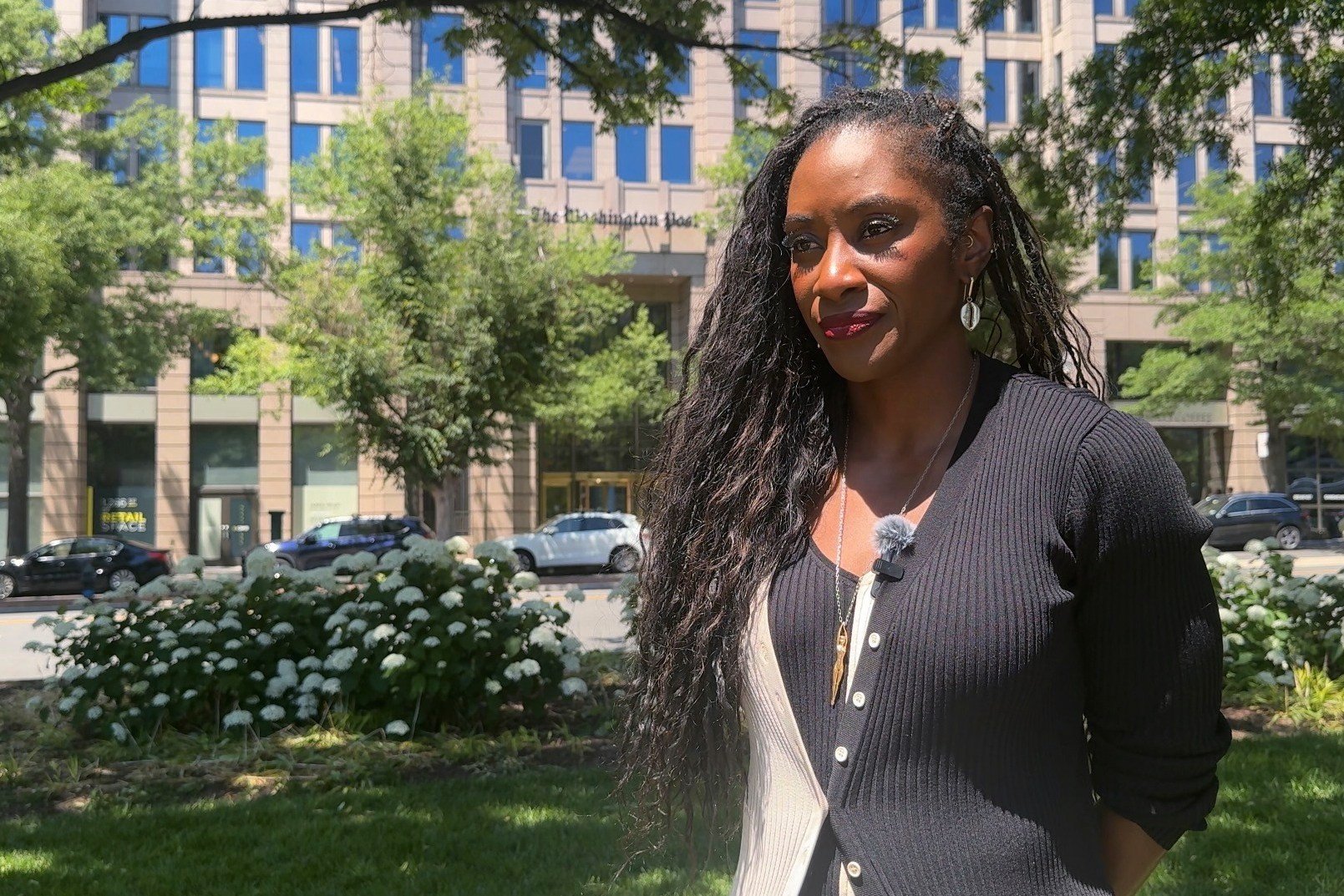
Karen Attiah, the former Washington Post opinion columnist who won an arbitration ruling that her firing was unjust, announced Monday that she will not return to the paper. Attiah, who spent 11 years at the Post as an editor and columnist, said the newsroom no longer offers the "guaranteed freedom and institutional support" she needs.
Attiah's termination stemmed from comments she made after the killing of conservative activist Charlie Kirk. She wrote that America "accepts and worships gun violence" and also shared a quote from Kirk that disparaged the intellectual capacity of several prominent Black women. The Post dismissed her, prompting a wrongful termination lawsuit.
In a Substack post, Attiah explained her decision: "I have decided not to return to what The Washington Post has become. I have accepted a settlement with the Post and will move forward with my life and career. As excruciating as this battle has been, it was one worth fighting."
The arbitrator ruled in August that the Post lacked "good and sufficient" cause for the firing and violated its collective bargaining agreement with the newsroom union. The ruling was seen as a significant victory for labor and free expression.
Attiah framed her win as a broader win for journalists and Black professionals in media. "My arbitration win was a monumental victory for unions, for journalists, and for free speech. As the last full-time Black columnist in the Opinions section, I recognized how important the win was for Black journalists, especially those pushed out of newsrooms in recent years," she wrote.
She also expressed gratitude to supporters and readers, saying, "I am deeply grateful to everyone who supported me throughout this fight and helped me celebrate the victory. I am also indebted to the readers who have continued to believe in my work and who still believe in the power of journalism."
The Post's opinion section has been in flux under owner Jeff Bezos, who has signaled a shift toward "free markets and personal liberties." That direction, along with the handling of Attiah's case, has raised concerns about editorial independence and diversity at one of the nation's most influential newspapers.
Attiah's departure underscores ongoing tensions between newsroom staff and management over content and workplace culture. Her case has become a touchstone for debates about free speech, union protections, and the treatment of Black journalists in major media organizations.
As the Post moves forward, the fallout from Attiah's exit may continue to shape its editorial identity and its relationship with its workforce. For now, Attiah says she is ready to move on, but her battle has left a mark on the industry.