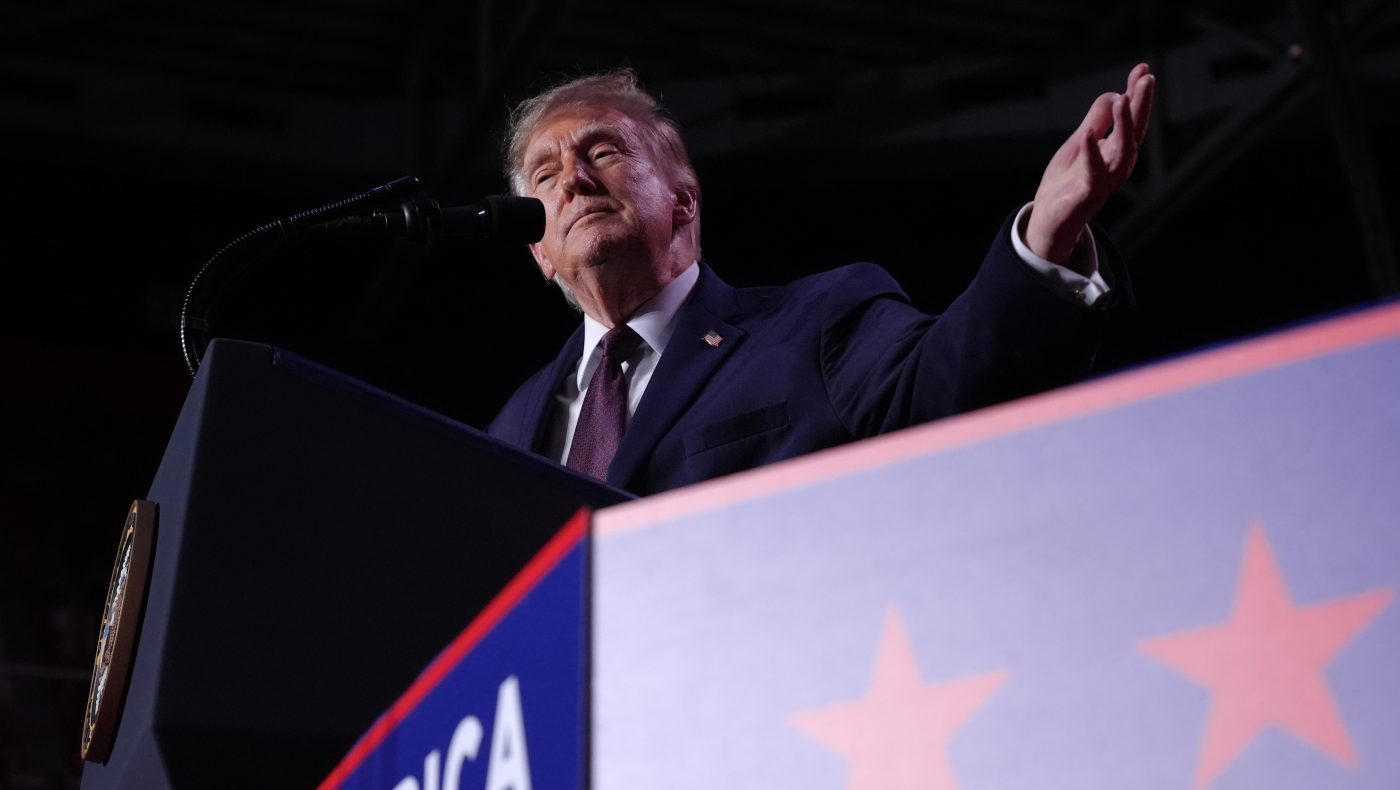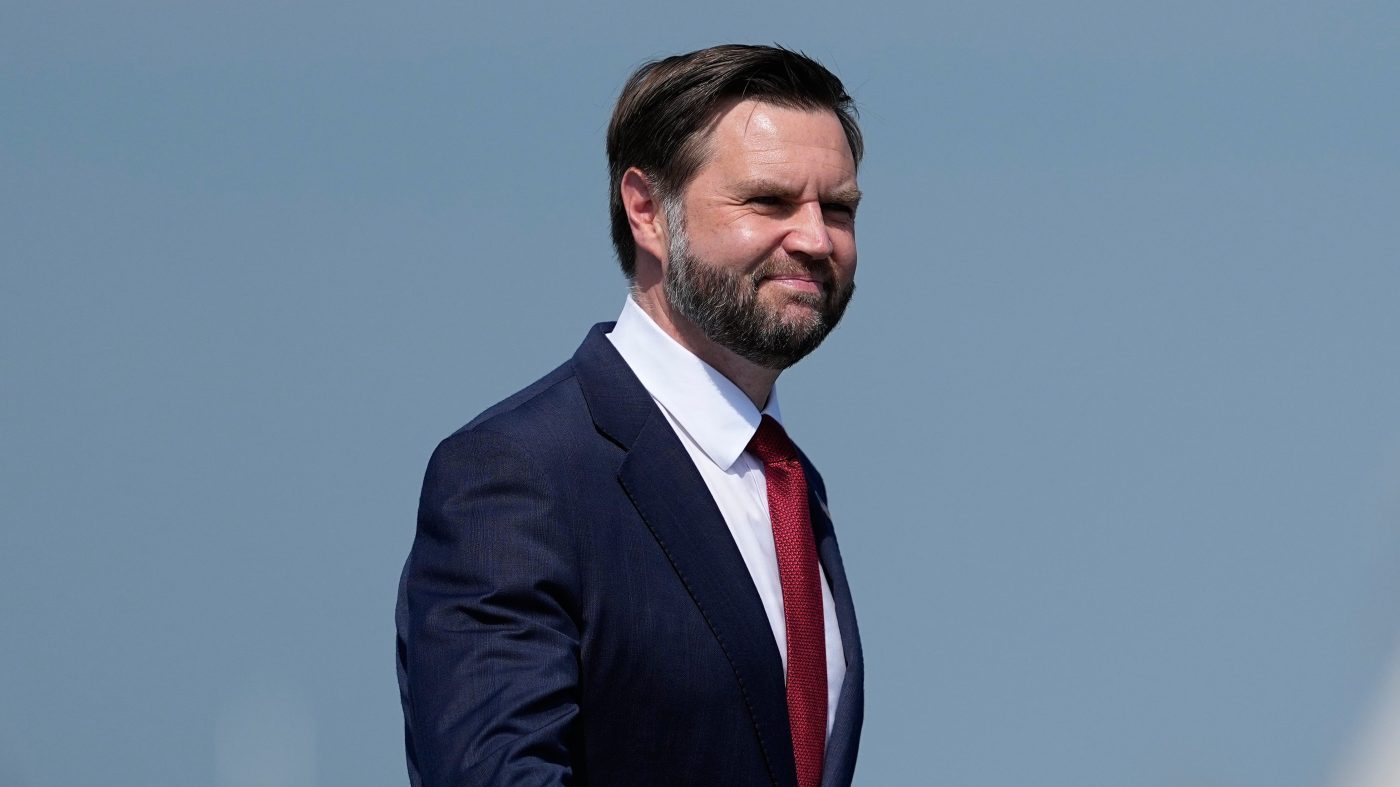
On the 250th anniversary of the Declaration of Independence, The Atlantic republished a piece from ten years ago that cuts to the core of Vice President JD Vance's political transformation: his own scathing indictment of Donald Trump as a purveyor of 'cultural heroin.' The essay, originally published on July 4, 2016, resurfaced Saturday, offering readers a time capsule of Vance's earlier views before he became Trump's second-in-command.
The op-ed first appeared days after Vance's memoir Hillbilly Elegy hit bestseller lists. In an editor's note, The Atlantic said it was reprinting the story 'so that our readers can judge for themselves how well his assessment of the man he now serves as vice president has stood the test of time.'
Writing during Trump's first presidential campaign, Vance—then working at Peter Thiel's Mithril Capital Management—argued that many Americans turned to Trump as a 'pain reliever' amid economic decline and eroding trust in government. He predicted that supporters would eventually realize Trump could not solve their problems. 'Trump is cultural heroin,' Vance wrote. 'He makes some feel better for a bit. But he cannot fix what ails them, and one day they’ll realize it.'
The republication comes as Vance is widely viewed as the heir to Trump's MAGA movement and the front-runner for the 2028 Republican presidential nomination. His journey from a self-described 'Never Trump' conservative to Trump's running mate has been a subject of intense scrutiny from both critics and allies.
During his 2022 Senate campaign in Ohio and subsequent alignment with Trump, Vance acknowledged his earlier opposition, saying his views evolved after watching Trump's performance in office. The White House did not respond to a request for comment on the revived essay.
The timing of the reprint—on a day when the nation celebrates its founding—adds another layer to the political drama. Meanwhile, Trump delivered a lengthy speech at Mount Rushmore, blasting what he called the 'communist menace' in a sharp address that drew sharp contrasts with the Hollywood stars who countered with a reading of On Tyranny.