Appeals Court Reinstates Full Construction Timeline
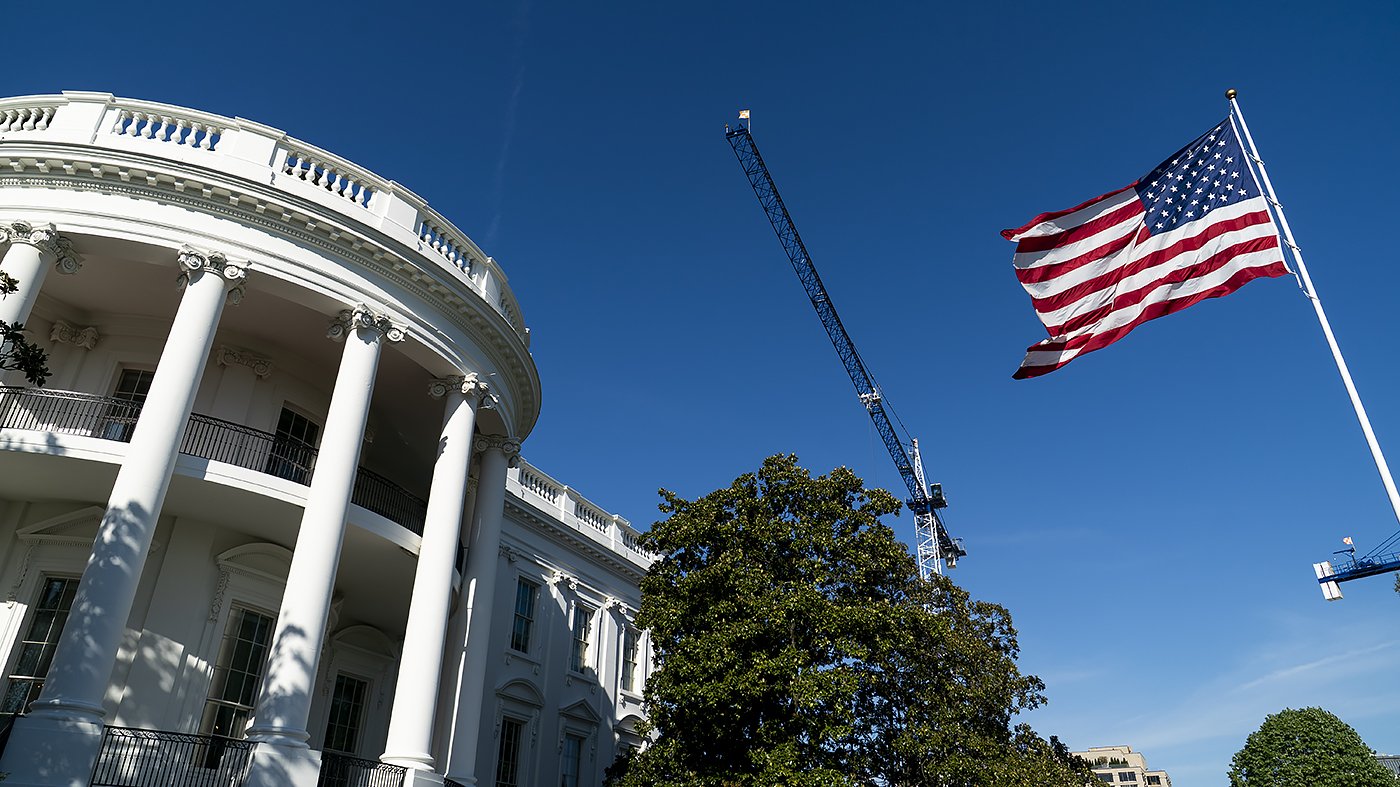
A three-judge panel from the U.S. Court of Appeals for the D.C. Circuit ruled on Friday to allow construction on President Trump's proposed White House ballroom to proceed into June. This decision effectively stays an order issued just one day earlier by U.S. District Judge Richard Leon, who had limited the project to "below-ground construction." The appellate court scheduled arguments for June 5 to determine whether a full injunction halting all work is warranted.
Legal Battle Over Presidential Authority and Security
The legal conflict centers on the administration's assertion that the $400 million project is vital for the security of the president and his family. Court filings describe plans for a structure fortified with missile-resistant steel, drone-proof roofing, and ballistic glass, intended to house top-secret military installations, medical facilities, and bomb shelters. Judge Leon initially halted construction in March, citing a lack of congressional approval, and reaffirmed that position on Thursday while making a narrow exception for subterranean work related to bunkers and shelters.

The Department of Justice swiftly appealed, arguing Leon's ruling "would imperil the President and national security and indefinitely leave a large hole beside the Executive Residence." President Trump personally attacked the judge on Truth Social, calling the decision "a mockery to our Court System" and an act of "illegal overreach" that endangered national security. This confrontation is part of a broader pattern of the president's public clashes with institutional figures, which have defined much of his political strategy.
Project's Path and Broader Political Context
Trump proposed the ballroom last October, and demolition of the East Wing has already been completed. The project recently received approval from the National Capital Planning Commission, whose members argued it was consistent with historical precedent for presidential renovations. The lawsuit driving these rulings was filed by the National Trust for Historic Preservation, which seeks to stop construction until the White House complies with federal law, including securing congressional authorization.
The administration's aggressive push for the project, framed as a national security imperative, mirrors its approach in other policy areas. For instance, its stance on foreign policy and military threats often employs similar rhetoric of urgent necessity. The legal fight also unfolds as Trump engages in other high-profile disputes, including a sharpening feud with Pope Leo XIV over diplomacy and defense.
This case tests the limits of executive authority over White House modifications and the judiciary's role in checking that power. The appeals panel's decision to grant a stay suggests at least preliminary skepticism of the lower court's reasoning, setting the stage for a significant ruling in June that could either greenlight the entire project or bring it to a standstill. The outcome may influence how future administrations approach major renovations and define security-related exemptions from standard oversight processes.