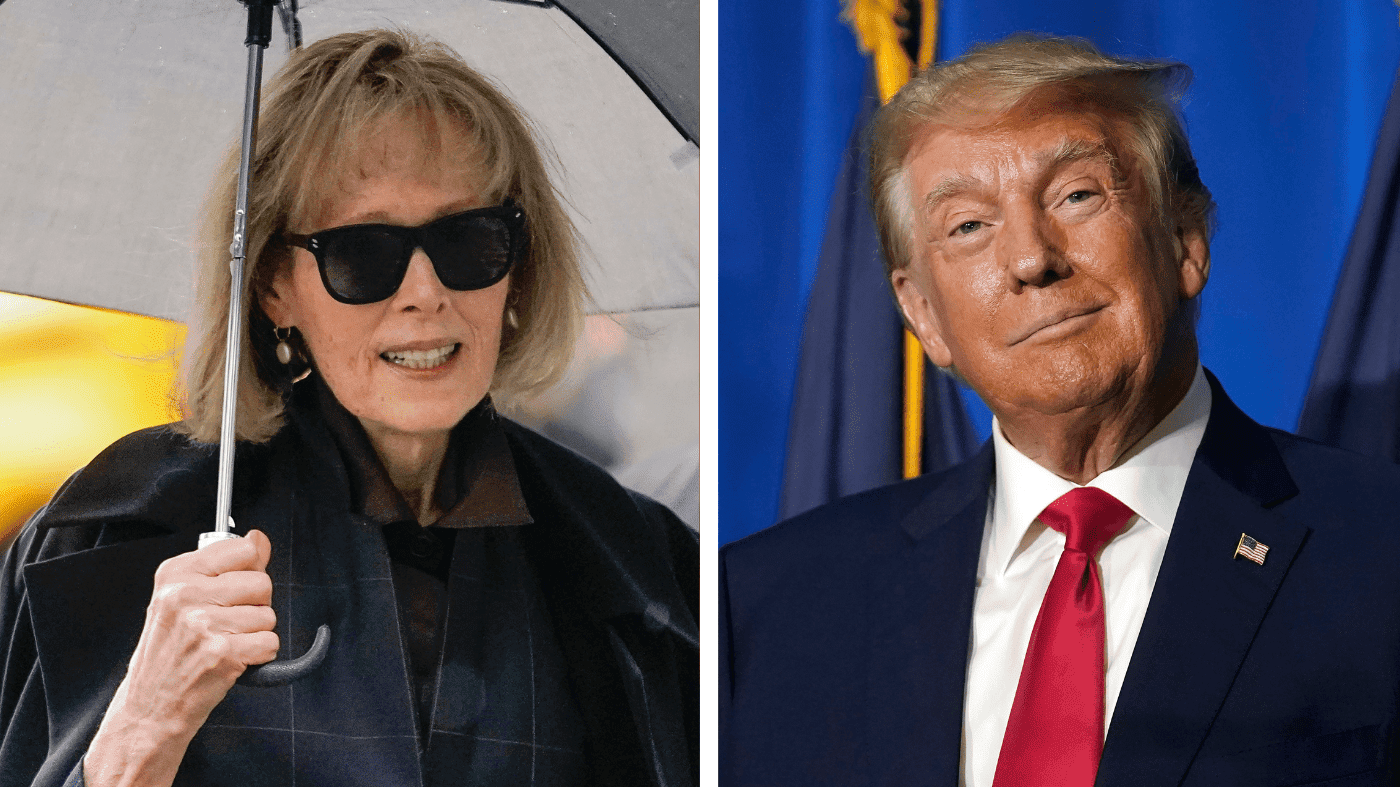
A federal appeals court has granted President Trump a temporary reprieve from paying the $83.3 million defamation judgment awarded to writer E. Jean Carroll, allowing him to hold off until the Supreme Court decides whether to take up his case.
The U.S. Court of Appeals for the 2nd Circuit issued a brief order Monday permitting Trump to delay payment while he petitions the nation's highest court. This comes after the full 2nd Circuit bench rejected his presidential immunity arguments and other challenges to the massive award late last month.
Carroll's legal team did not oppose the delay, provided Trump increases his bond by $7.5 million to cover additional interest that would accrue if he ultimately loses. The court agreed to that condition.
The case stems from Carroll's public accusations during Trump's first term that he sexually assaulted her in a Manhattan department store in the mid-1990s—claims the president denies. Two separate civil trials have resulted in verdicts against him.
The first jury found Trump liable for sexual abuse and defamation in a 2022 statement, ordering him to pay $5 million. The second trial, which produced the $83.3 million award, focused on defamatory statements Trump made while in office denying Carroll's story when she first came forward.
Trump has argued that his comments as president are protected by presidential immunity and that the federal government should be substituted as the defendant. So far, courts at every level have rejected those arguments.
With the 2nd Circuit now declining to intervene, the Supreme Court represents Trump's final avenue. The justices have discretion over which cases they hear and reject the vast majority of petitions. Trump's appeal of the first trial verdict has been pending at the court for months, with consideration repeatedly postponed.
Carroll insists Trump's appeals lack merit, but the legal maneuvering continues as the president simultaneously faces other high-stakes litigation and policy battles, including scrutiny over his administration's budget cuts and foreign policy moves.
The Supreme Court's decision on whether to take up the case could have significant implications for the scope of presidential immunity and the timeline for Carroll to collect the judgment.