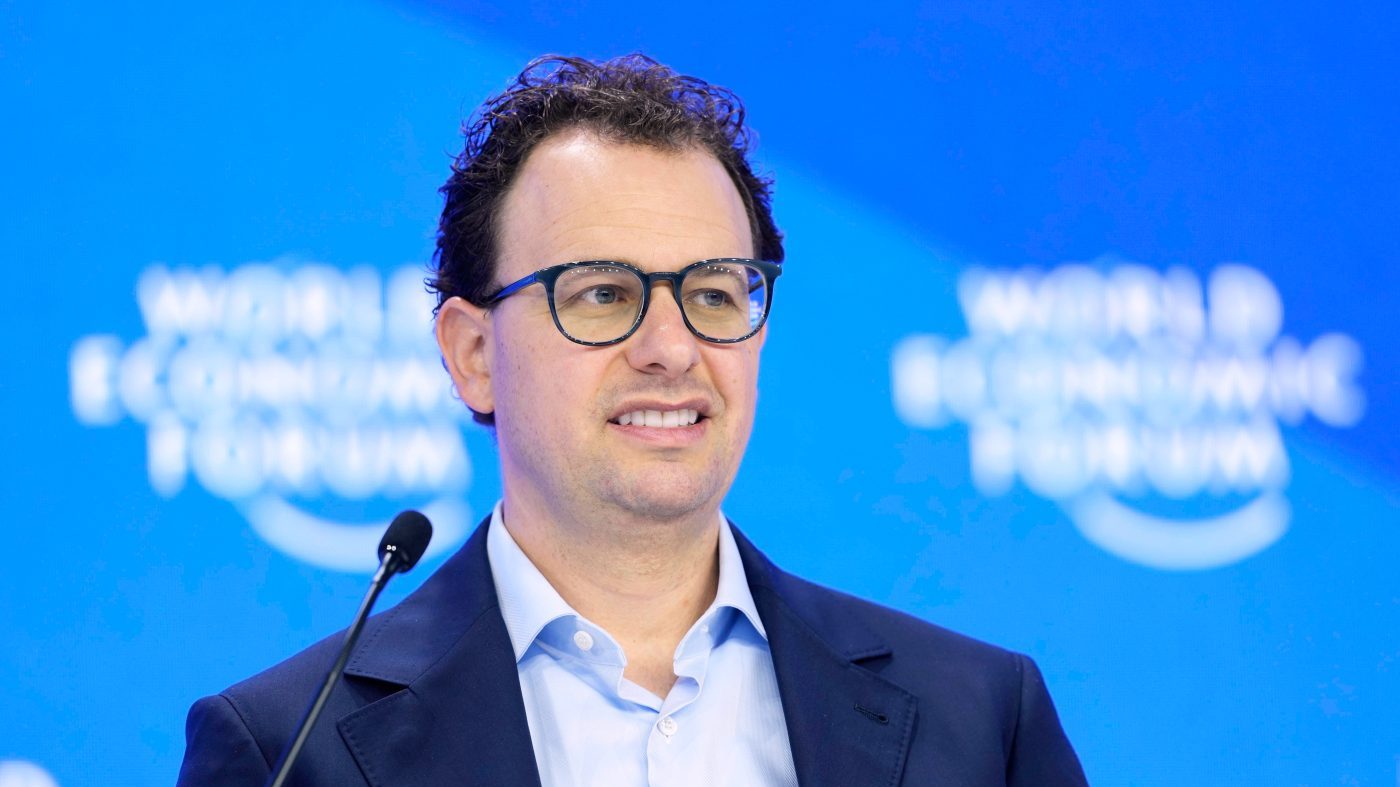
Anthropic CEO Dario Amodei is pushing for governments to have the authority to block dangerous artificial intelligence deployments that fail to meet stringent safety standards, a stance that puts his company at odds with both competitors and the Trump administration.
In an essay published Wednesday on his website, Amodei argued that frontier AI models should be subject to mandatory testing and auditing, similar to the rigorous processes used by the Federal Aviation Administration for aircraft certification. He wrote, “Frontier AI models, like airplanes, should be required to go through technical testing and auditing,” adding that “their release should be blocked or reversed as a threat to public safety if they do not meet high standards of safety.”

Amodei’s proposal goes beyond President Trump’s recent executive order on AI, which established a voluntary 30-day pre-release testing process for frontier models but explicitly stopped short of mandating it for developers. While Amodei praised the order’s focus on testing, he called for “even further action,” including mandatory evaluations by third-party auditors to assess risks in cybersecurity, biological weapons, loss of AI system control, and automated research and development.
Under Anthropic’s plan, government agencies could serve as auditors, a position that breaks sharply from other AI firms that warn of government overreach. The company’s push for stricter regulation comes amid a broader debate over AI safety, with some in the industry still fearing that even voluntary testing could lead to overregulation.
Amodei also hinted that more aggressive policies might be needed in the future. “When the most powerful AI systems look less like airplanes or automobiles and more like weaponizable nuclear materials—a threat to humanity rather than ‘just’ a threat to public safety,” he wrote, the government’s role must expand.
This safety-first ideology has already clashed with the Pentagon. Earlier this year, Defense Secretary Pete Hegseth labeled Anthropic a supply chain risk and banned the use of its Claude AI in the Department of Defense, a designation typically reserved for foreign adversaries. Anthropic sued the Trump administration, challenging both the Pentagon’s ban and a separate directive for civilian agencies to stop using its products after negotiations over safety guardrails collapsed last February.
Anthropic demanded that its technology not be used for fully autonomous lethal weapons or mass surveillance of Americans, while the Pentagon insisted on the right to use Claude for “all lawful uses.” The legal battle underscores the deepening divide between AI developers and national security agencies over the limits of military applications.
Weeks after filing its lawsuits, Anthropic released its most advanced cybersecurity AI model, Mythos, which sent shockwaves through Washington. The model, along with other rapid AI developments across the industry, caught the White House’s attention, raising fresh concerns about potential safety risks.
As federal action stalls, companies like Anthropic and OpenAI are leading a state-by-state push for AI regulation, but the Trump administration’s preference for voluntary measures continues to face pressure from both safety advocates and industry critics. The outcome of Anthropic’s legal challenge could set a precedent for how much power the government has to block or shape AI deployments in the future.