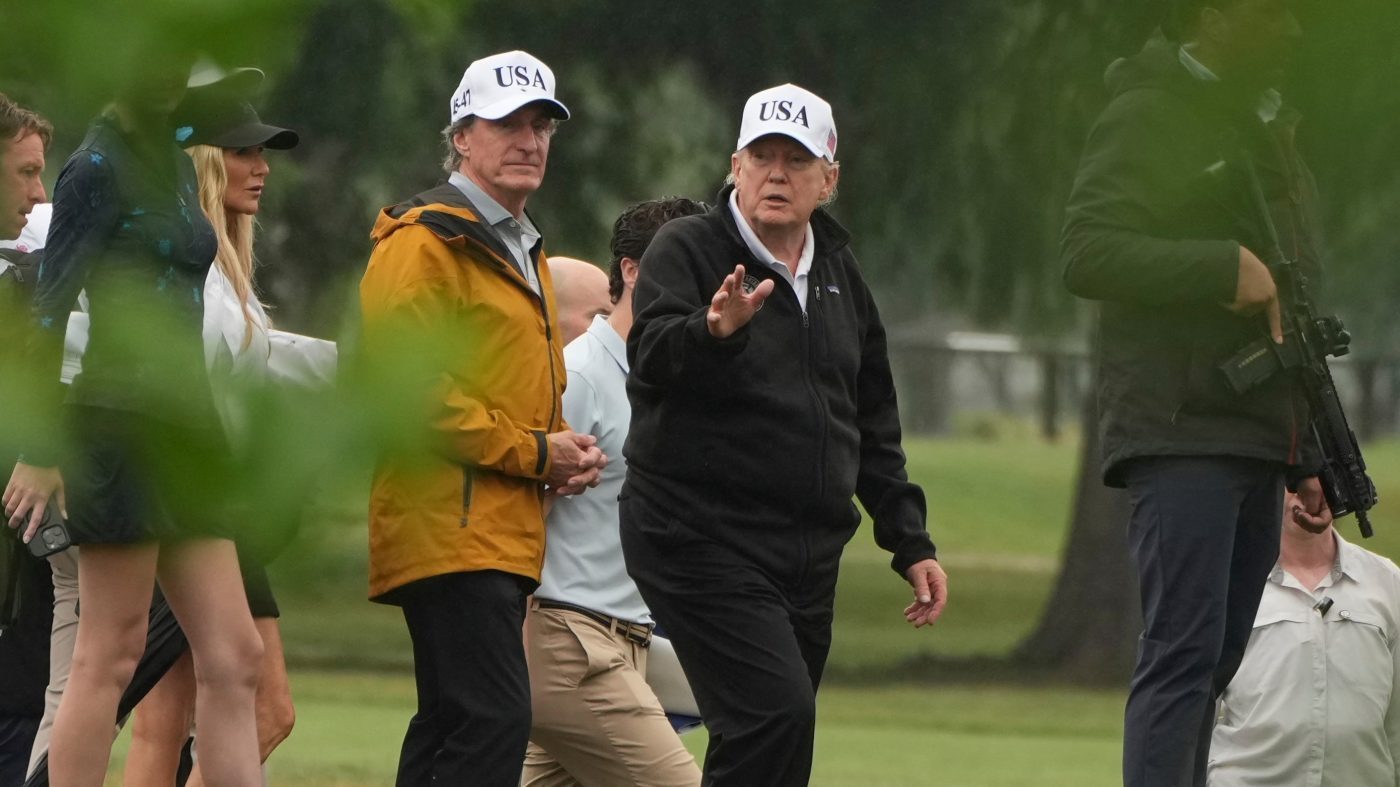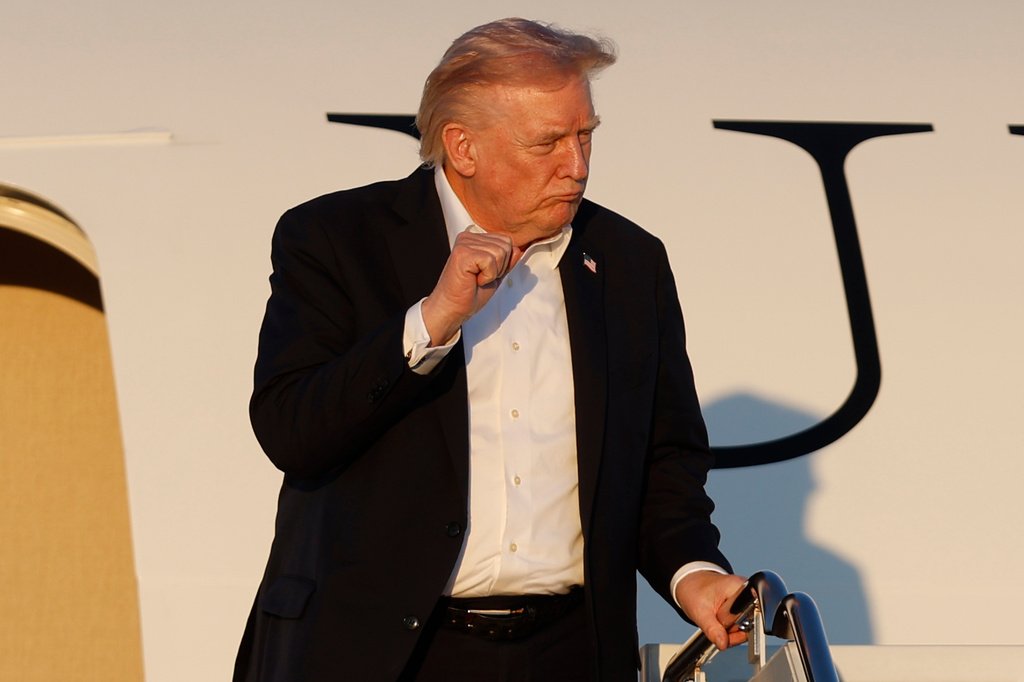
Large American corporations, most notably Amazon, are choosing not to claim refunds on tariff revenue that the Supreme Court ruled was illegally collected. The decision appears driven by a calculated fear that requesting the money back could invite presidential retribution, potentially costing far more than the abandoned claims.
After the high court struck down the emergency tariffs imposed shortly after President Trump’s 2025 inauguration, the administration agreed to return the wrongfully collected duties. Yet some of the biggest beneficiaries, including Amazon, have declined to file for their refunds—amounting to over a billion dollars in total. The move is widely seen as a strategic choice to avoid triggering the president’s ire.
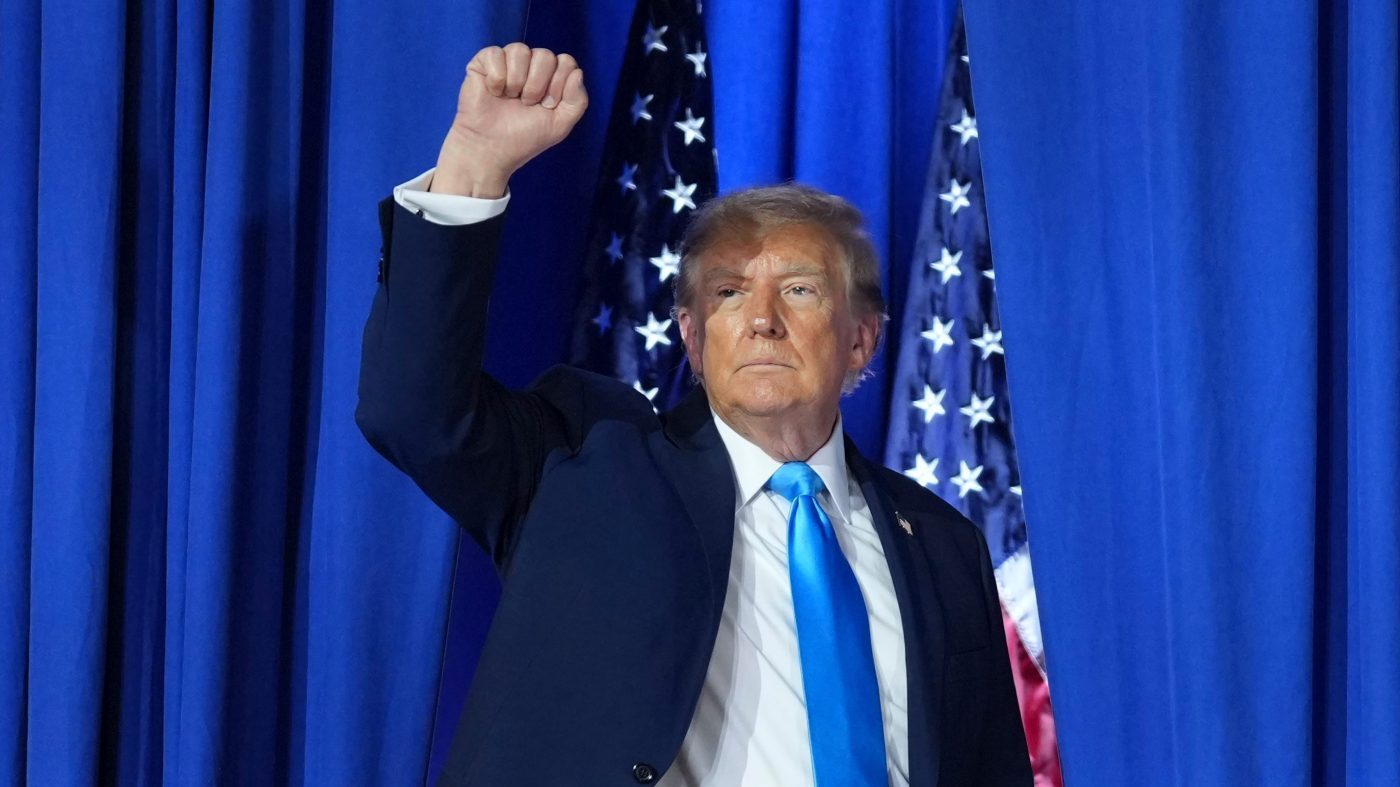
Trump himself all but confirmed the logic behind the decision. In an April interview on CNBC’s “Squawk Box,” he called it “brilliant” if companies skip the refund process. “If they don’t do that, I’ll remember them,” he said with a chuckle—a tone he often uses when hinting at actions that alarm legal and business observers. Given the track record of his second term, few doubt his seriousness.
The president has demonstrated a willingness to wield the machinery of government against perceived adversaries. He has issued executive orders directing federal agencies to cancel contracts and revoke security clearances for law firms that employed or represented his opponents. The FCC has launched politically charged investigations into media outlets that draw Trump’s criticism, and it approved Paramount’s merger with Skydance only after the company agreed to a $16 million settlement with the president. The Treasury Department has likewise imposed and then lifted sanctions in ways that reward allies and punish critics.
Trump’s use of the pardon power has followed a similar pattern—a carrot-and-stick approach that reinforces loyalty and punishes dissent. Together, these actions signal that the president and his administration are prepared to use the full force of the executive branch to advance personal and political interests.
That companies are responding rationally to this environment is lamentable but not surprising. Political donations have long been shaped by self-interest, and rewarding allies or punishing enemies is as old as government itself. The Adams administration used the Sedition Act to prosecute critics; President Nixon’s White House counsel proposed deploying “the available federal machinery to screw our political enemies.” But when such behavior becomes routine, it erodes the public’s expectation of impartial governance.
Most Americans still assume—or hope—that the law is enforced evenhandedly, even if inefficiently. The notion that Amazon and other firms find it safer to let the government keep their money, despite a clear legal obligation to return it, marks a troubling shift. As President Calvin Coolidge once said, “the chief business of the American people is business.” When businesses conclude that pleasing the ruler is more profitable than serving customers, the economy itself begins to reflect the ruler’s preferences rather than market forces.
The U.S. economy has long thrived on the rule of law—a stable, predictable system where outcomes are determined by legal principles and competition, not political connections. Foreign investment, contract enforcement, and entrepreneurship all depend on that foundation. When it weakens, the damage is both civic and economic.
Trump was correct when he mused that companies skipping refunds “have to know [him] very well.” In this political climate, knowing the man has become more valuable than knowing the market. And when the chief business of America becomes the cultivation of government favor, we all end up with the ruler’s choices—on our shelves and on our screens.
Molly Nixon is a senior fellow in Executive Power at the Cato Institute.