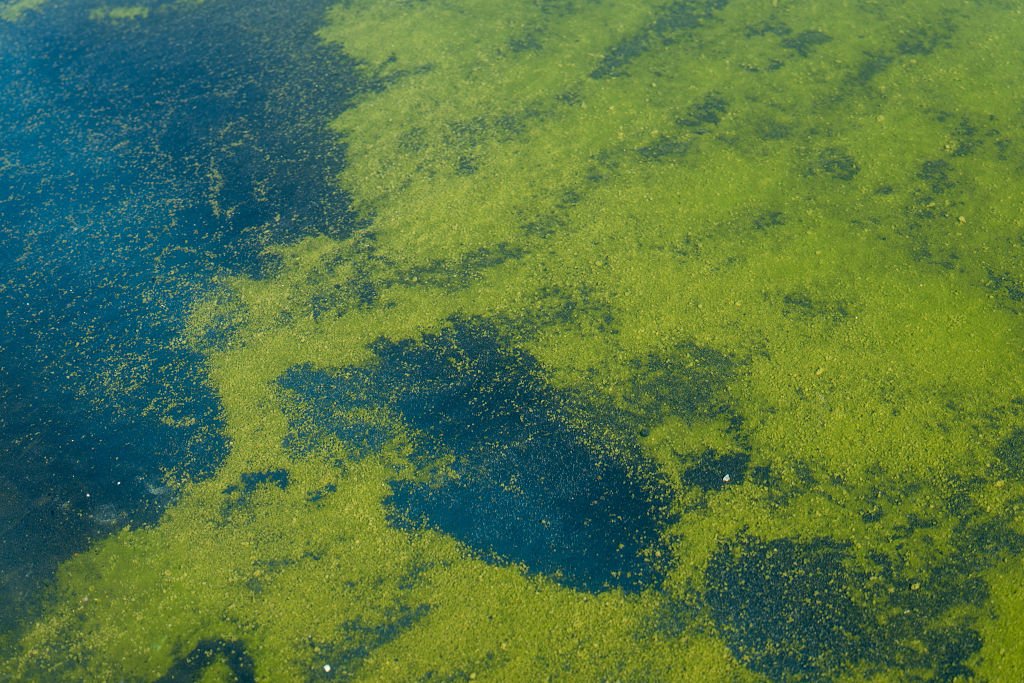
The Lincoln Memorial Reflecting Pool, the centerpiece of Donald Trump's push for a deeper “American flag blue” ahead of the nation's 250th birthday, has instead turned a murky green. Just days after a $14 million renovation wrapped up, an aggressive algae bloom has transformed the iconic Washington, D.C., landmark into a cautionary tale about the limits of federal makeovers.
The bloom, which appeared this week, is a vivid reminder of the challenges inherent in the project. The pool now draws water from the Potomac River, a source that is untreated and rich in nutrients that feed algae. Critics say the renovation, which aimed to deepen the pool's color and improve its circulation, failed to account for the natural biology of the water source.

Design Flaws or Unforeseen Consequences?
“What do you expect?” asked Cochise Wanzer II, president of the Pool Service Company in Arlington, Va., in an interview with the Associated Press. “You’re basically taking natural, untreated river water, pumping it in and expecting it to do something different from what it would do out in the open.” Wanzer’s blunt assessment underscores a core tension: the administration’s aesthetic ambitions clashing with ecological reality.
The National Park Service, which oversees the pool, has not yet announced a remediation plan. However, earlier reports indicate that hydrogen peroxide has been used in the past to combat algae. The Trump administration had touted the renovation as a legacy project for the 250th anniversary, but the green tint has already become a symbol of bureaucratic hubris.
Political Fallout
The timing is particularly awkward. The pool is a major tourist attraction and a backdrop for protests and celebrations. The algae bloom has sparked mockery on social media, with critics accusing the administration of prioritizing optics over substance. The episode also echoes broader concerns about federal spending: the $14 million price tag drew scrutiny even before the algae appeared.
This is not the first time the Reflecting Pool has faced algae issues. Previous attempts to fix the pool have also been plagued by green blooms, leading some to question whether the underlying design is fundamentally flawed. The pool’s shallow depth and exposure to sunlight create ideal conditions for algae growth, regardless of water source.
What’s Next?
The Park Service is expected to release a statement in the coming days. Meanwhile, visitors to the National Mall are getting an unintended lesson in aquatic biology. For now, the Reflecting Pool reflects more than just the Lincoln Memorial; it reflects the political ambitions and environmental realities of a project that promised a perfect blue but delivered a sickly green.
The episode also raises questions about other federal projects. Similar cost overruns and design failures have plagued other government renovations, suggesting a pattern of planning that overlooks practical challenges. As the algae bloom spreads, so does the criticism.