Alaskans have once again voted to keep their state's distinctive ranked choice voting system and open primaries, according to projections from Decision Desk HQ. The measure, known as Ballot Measure 2, would have reverted Alaska to party-based primaries and winner-take-all general elections, but voters chose to retain the current system.
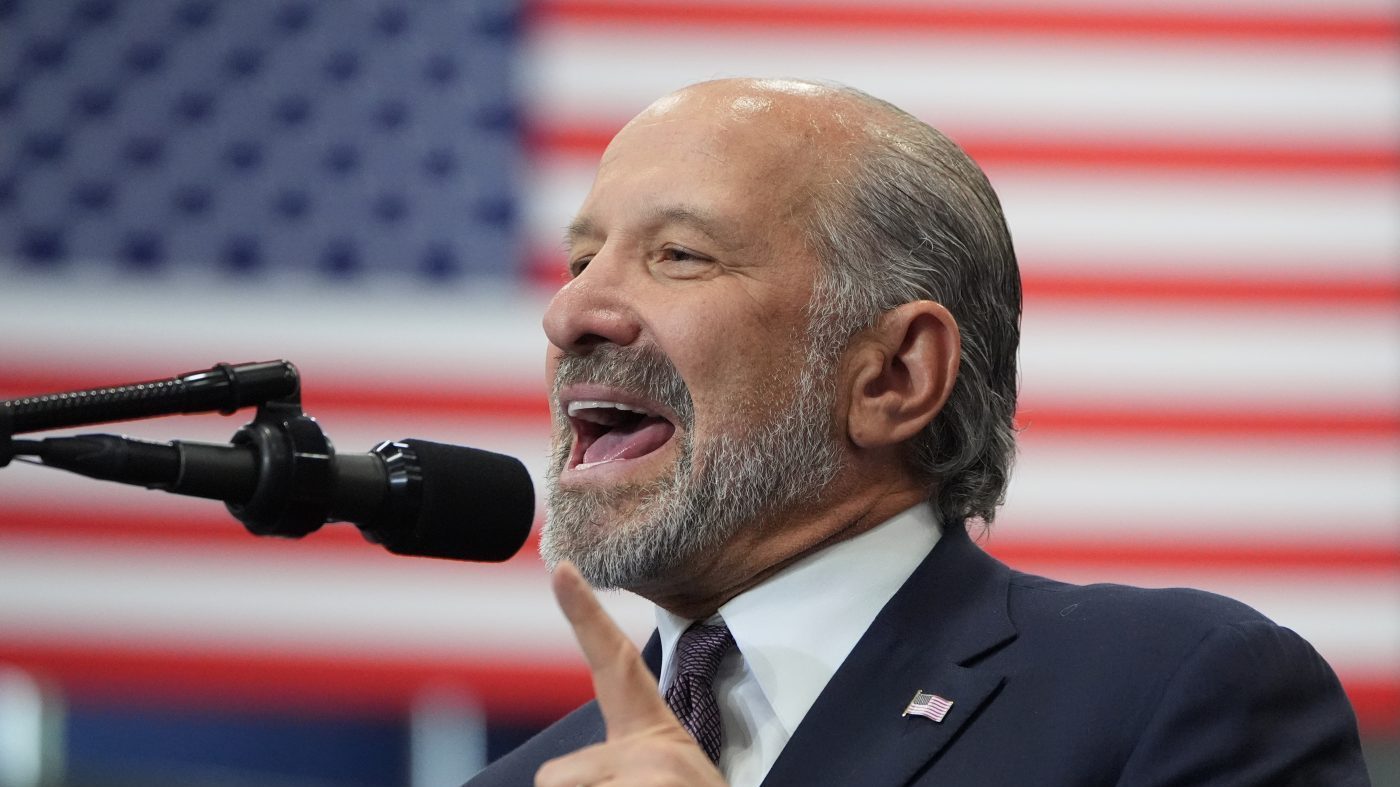
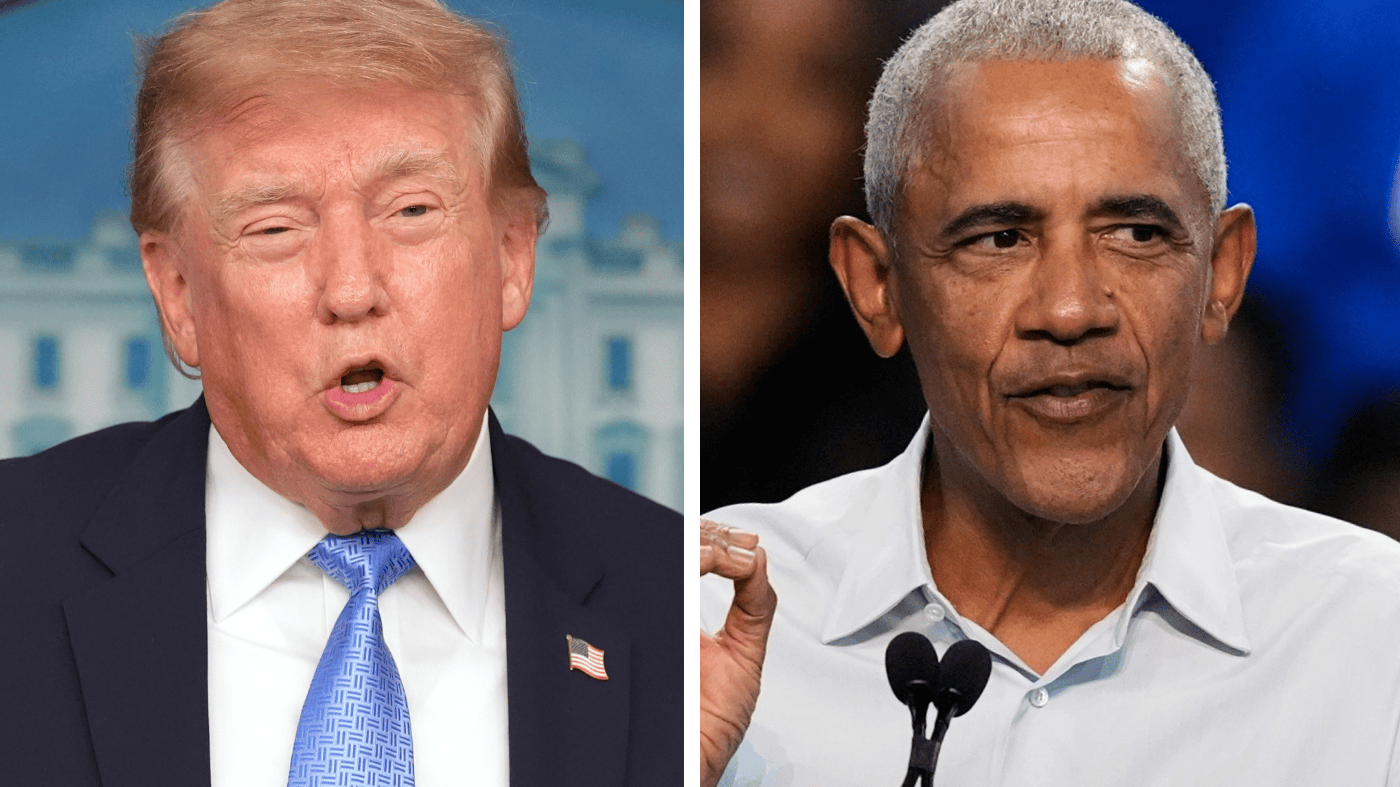
The outcome marks the second time in two years that Alaskans have rebuffed attempts to dismantle the system. In 2024, a similar repeal effort failed by less than one percentage point. This year's push drew prominent backing from Republican figures, including Governor Mike Dunleavy, U.S. Representative Nick Begich, and former President Donald Trump.
Alaska adopted ranked choice voting and open primaries through a 2020 ballot measure, which also introduced new campaign finance rules. The system was first used in the 2022 election cycle, and it remains one of only two states—alongside Maine—to use ranked choice voting statewide.
Under ranked choice voting, voters rank candidates in order of preference. If no candidate secures more than 50% of first-choice votes in the initial tally, the candidate with the fewest votes is eliminated, and those ballots are redistributed to their next preferred candidate. This process continues until a majority winner emerges.
Alaska also uses open, top-four primaries, where all candidates, regardless of party affiliation, appear on the same primary ballot. The top four vote-getters advance to the general election, regardless of party.
Supporters of the system argue it reduces vote-splitting and the likelihood of spoiler candidates, while opponents—many of them Republican leaders—contend it confuses voters and complicates the electoral process.
Critics point to the 2022 special election for the U.S. House, where a fifth of Begich's voters did not rank a second choice, contributing to Democrat Mary Peltola's victory. That race has become a rallying point for those seeking to repeal the system.
With the rejection of Ballot Measure 2, Alaska will keep its open primaries and ranked choice voting for the general election, along with the campaign finance provisions established in 2020. The decision comes amid broader national debates over election systems, including recent efforts in other states to alter or preserve their primary structures.
For a look at how similar debates are playing out elsewhere, see Massachusetts voters' rejection of a plan to scrap party primaries. And as the 2026 midterms approach, the results in Alaska could have implications for national political dynamics, including the GOP's internal struggles over election rules and the influence of Trump-aligned candidates.