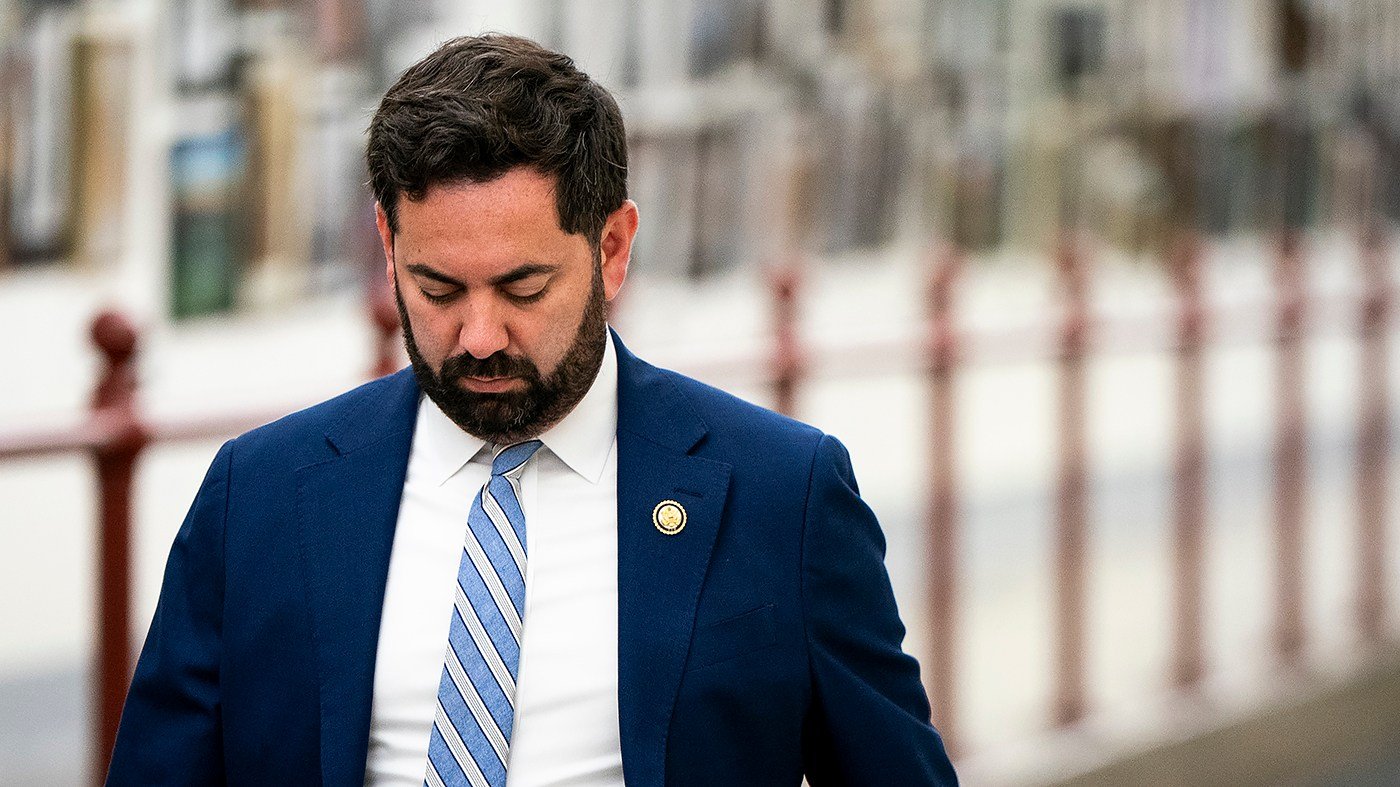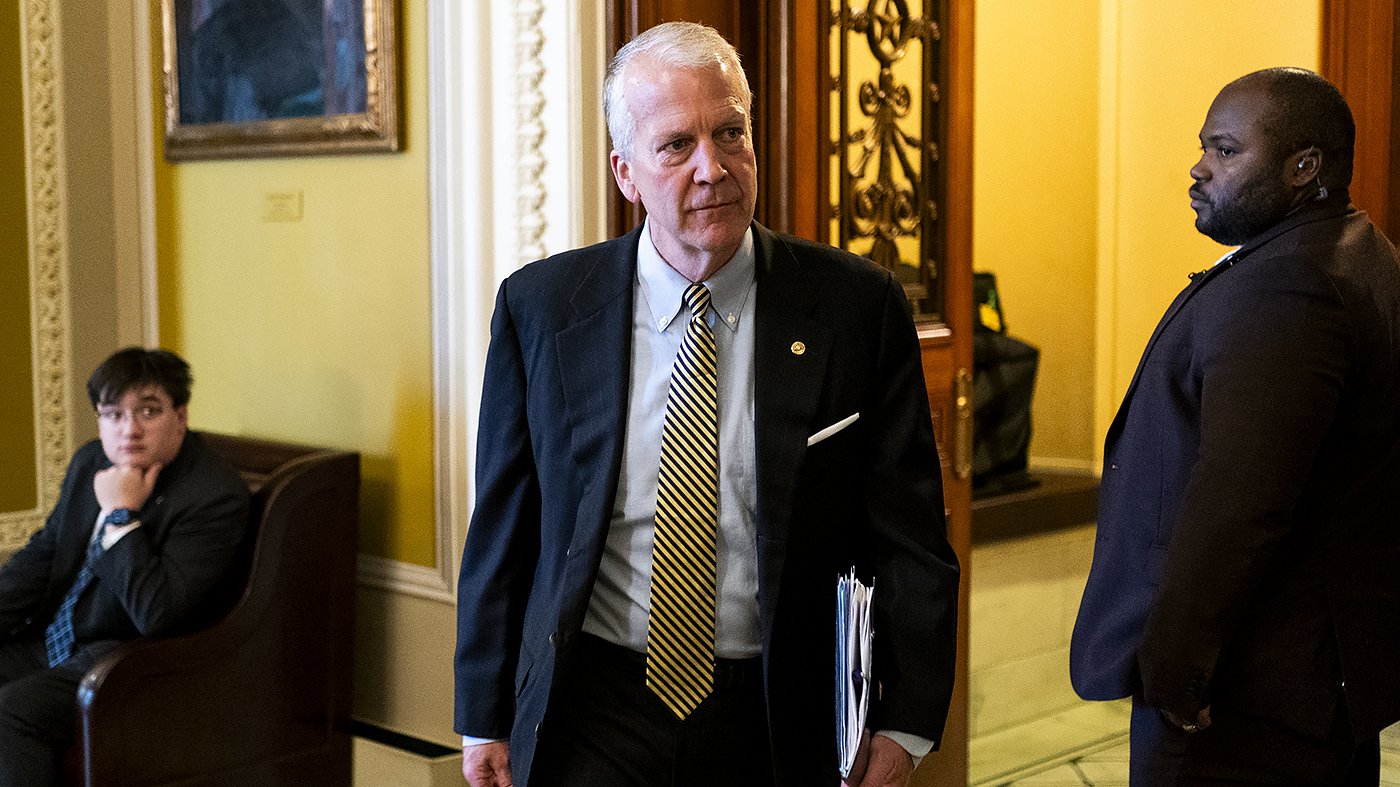
Alaska’s highest court on Monday cleared the way for a political newcomer sharing the same name as Senator Dan Sullivan to remain on the state’s Senate primary ballot, rejecting an attempt by election officials to remove him over concerns of voter confusion.
The Alaska Supreme Court upheld a lower court’s decision that overturned a directive from State Elections Director Carol Beecher, who had sought to strike Daniel J. Sullivan from the ballot. Beecher had argued that the retired teacher and former U.S. Forest Service employee’s candidacy was designed to “confuse or mislead” voters. The high court ordered the Division of Elections to list Sullivan “as a candidate within the confines of existing ballot design law.”

Daniel Sullivan, who is also running as a Republican, had appealed Beecher’s removal. Superior Court Judge Thomas Matthews reversed that action over the weekend, setting the stage for the state Supreme Court’s final ruling.
The incumbent, Senator Dan Sullivan, is seeking a third term and has accused his namesake of entering the race to damage his campaign and boost the prospects of Democratic nominee and former Representative Mary Peltola. Peltola’s campaign has denied any coordination with Daniel Sullivan.
The nonpartisan primary is scheduled for August 18, with the top four vote-getters advancing to the general election. The race has drawn national attention, particularly from the National Republican Senatorial Committee (NRSC), which filed a complaint earlier this month with the Federal Election Commission and Alaska officials. The complaint alleges that political strategist Amber Lee provided free campaign services to the challenger in violation of federal law. Lee’s firm has advised multiple Democratic clients, according to her website.
Upon launching his campaign, Daniel Sullivan used the name “Dan Sullivan” and a logo that closely resembled the incumbent’s design—both inspired by the Alaskan flag. As of Tuesday, however, the challenger’s logo features a different font and includes his middle initial.
The Alaska Division of Elections could appeal the ruling to the U.S. Supreme Court, but the high court is entering its summer recess and will not resume its formal term until October, though emergency rulings remain possible. The NRSC did not immediately respond to a request for comment on the state Supreme Court’s decision.
This case echoes broader debates over ballot integrity and candidate name similarity, issues that have surfaced in other states amid heated primary contests. The ruling underscores the legal hurdles election officials face when attempting to remove candidates based on alleged intent to deceive.