Alabama voters head to the polls Tuesday to decide who will fill the state's open U.S. Senate seat, a race that has drawn national attention due to the strong backing of former President Trump for the Republican nominee. The seat became vacant when incumbent Sen. Tommy Tuberville decided to run for governor, a move that has reshaped the state's political landscape.
The Republican nominee is three-term U.S. Rep. Barry Moore, who has positioned himself as a staunch ally of the former president and his America First agenda. Moore secured the GOP nomination after a primary runoff against businessman Jared Hudson, winning by roughly 10 percentage points. His campaign has been bolstered by endorsements from Trump, Vice President Vance, and much of the Republican establishment, making him the heavy favorite in the deeply conservative state.
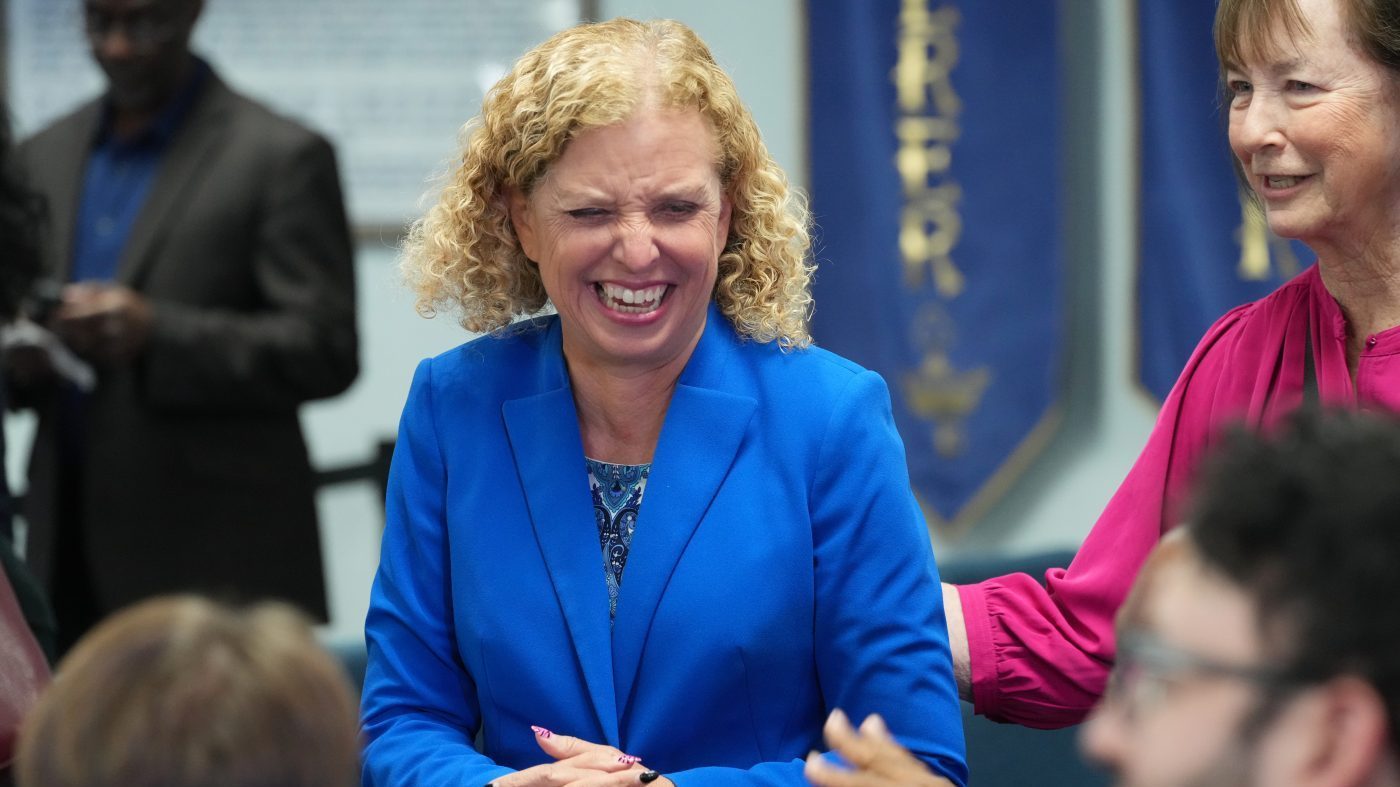
On the Democratic side, attorney and former Judge Everett Wess carries the party's banner. Wess, who has run for multiple offices in the past, defeated businessman Dakarai Larriett in the primary runoff. Despite the state's Republican lean, Wess has campaigned on issues like rural economic development and healthcare access, hoping to appeal to a broad swath of voters.
The race is widely seen as a formality given Alabama's ruby-red status, but it remains significant for the national balance of power in the Senate. With Republicans already holding a slim majority, every seat counts, and Moore's expected victory would help solidify the GOP's position. Political analysts note that the governor's race, where Tuberville is facing off against Democrat Walt Jones, could also have implications for the state's future political trajectory.
Polls close at 8 p.m. EST, and results are expected to come in quickly given the state's relatively small size. Election officials have prepared for a smooth process, though some concerns have been raised about potential disruptions. In a related development, the Justice Department has dispatched a record number of election monitors across the country, including Alabama, as part of an effort to ensure ballot integrity. These unprecedented monitoring efforts are aimed at preventing any irregularities.
Moore's campaign has focused on border security, energy independence, and curbing federal overreach, themes that resonate with Alabama's conservative electorate. In his victory speech after the primary, Moore emphasized his commitment to "fighting for the values that make Alabama great." Wess, meanwhile, has argued that his judicial experience and legal background make him a qualified voice for all Alabamians, but he faces an uphill battle in a state where Republicans have dominated federal elections for decades.
Political observers are also watching the broader national trends that could shape the midterm elections. While Alabama's Senate race is not considered competitive, it serves as a bellwether for voter enthusiasm and the effectiveness of Trump's endorsement in Republican primaries. The outcome will likely be closely analyzed by strategists ahead of the 2028 presidential cycle.
As the night unfolds, all eyes will be on the returns from Alabama's 67 counties. With a strong Republican base and a well-funded campaign, Moore is expected to cruise to victory, but the final margin will be watched for any signs of shifting political dynamics in the Deep South. For now, both campaigns have urged their supporters to turn out and make their voices heard, underscoring the importance of every vote in this consequential election.