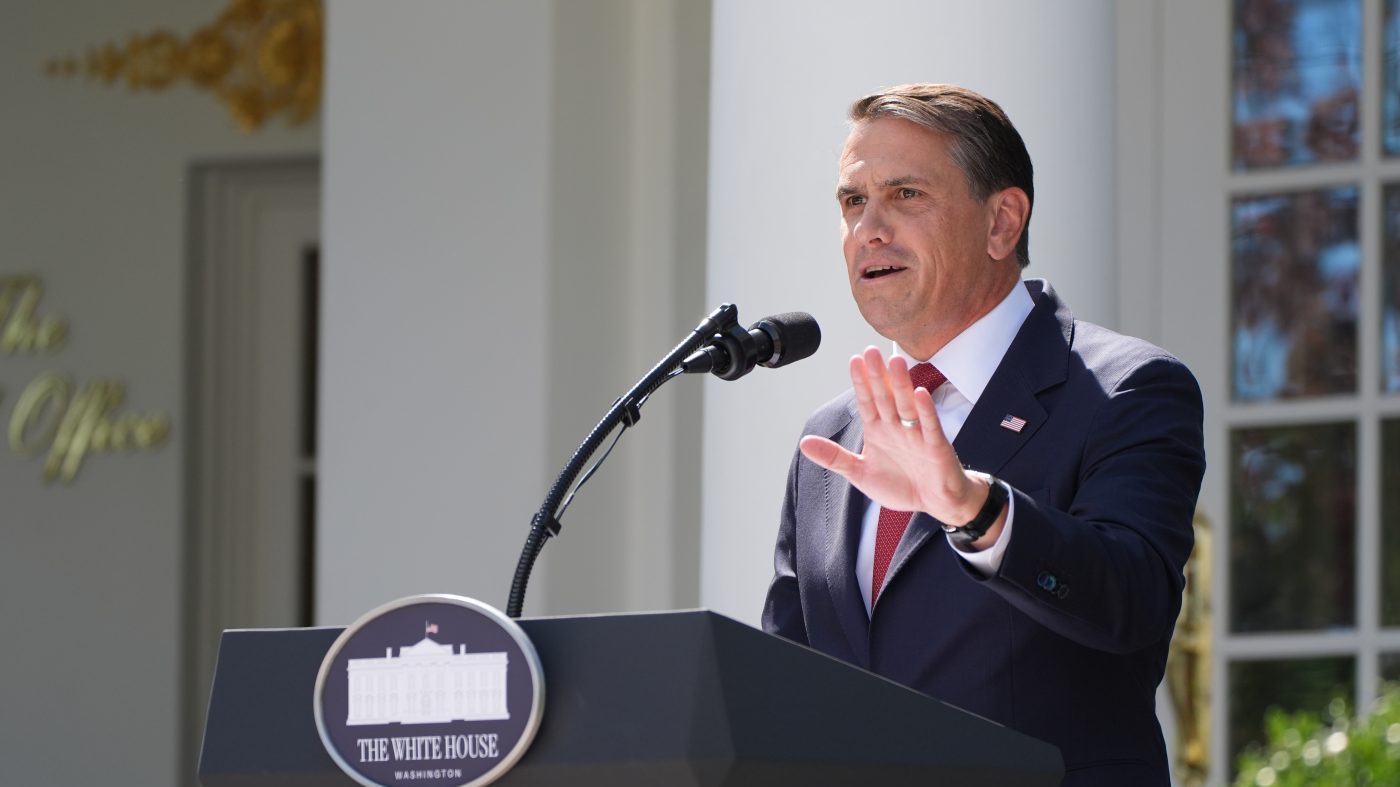
Alabama state Rep. Phillip Ensler, the Democratic nominee for lieutenant governor, acknowledges the steep climb ahead in the deeply red state. “I have no illusions about the odds of winning this race,” his campaign website states. “I am undoubtedly the underdog and have enormous challenges to overcome.”
In an interview this week, Ensler, 36, struck a more optimistic tone. “We have a pathway to victory,” he said. “On the campaign trail, I hear from Alabamians of all political leanings that they are ready for change. We have a strong statewide strategy to build a winning coalition.”
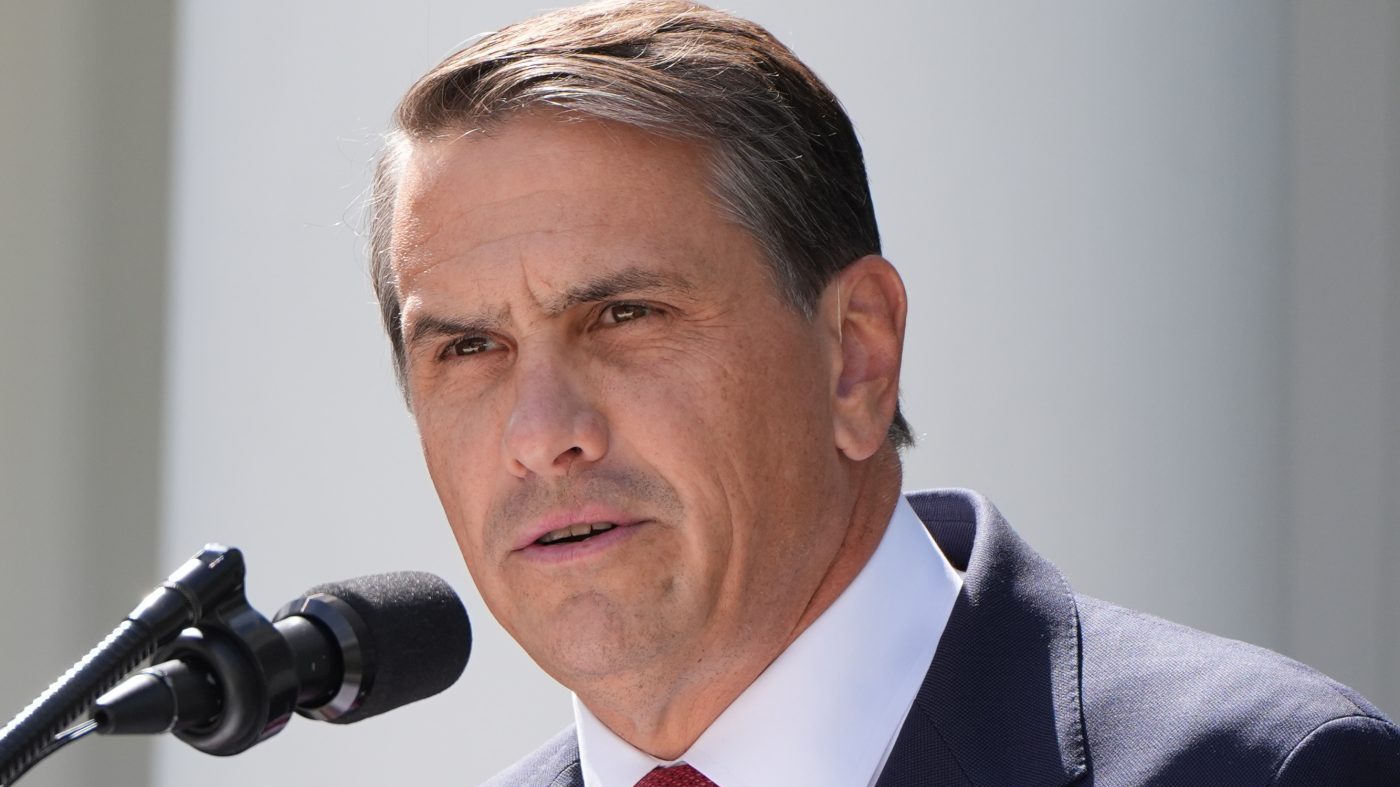
Ensler, who handily won the primary, will face former state GOP chairman John Wahl in the general election. The Democratic gubernatorial nominee is former U.S. Sen. Doug Jones. Political analysts view the Jones-Ensler ticket as a long shot, with Troy University professor Dan J. Puckett comparing it to “tilting at windmills.”
Puckett, who specializes in Southern Jewish history, noted that Ensler avoids divisive culture war issues and identity politics, but strongly supports reproductive choice, IVF, and LGBTQ rights. “Those are not the issues that most Alabamians are focused on,” Puckett said.
Ensler counters that voters are most concerned about economic and healthcare issues. “State residents are most concerned about the price of gas, utilities and groceries,” he said. “They are concerned about hospitals closing and lack of access to affordable healthcare.” Puckett acknowledged that for Democrats, “this is a very strong lineup. This time they have a slate that is better than any time I can think of.”
Jones praised Ensler as a bipartisan figure. “I think he is the kind of individual that works across the aisle,” Jones told al.com. “And he has a great reputation across the state.”
Ensler is an unusual candidate for the Deep South: Manhattan-raised, a graduate of Yeshiva University’s Cardozo School of Law, and the only Jewish member of the Alabama legislature. He directs the Jewish Federation of Central Alabama. Unlike other successful Jewish politicians in the region, such as former Durham, N.C., Mayor Steve Schewel, Ensler’s family has not lived in the South for generations. He is, as they say, “not from around here”—often a kiss of death for Democratic candidates.
Ensler grew up on New York City’s Upper East Side, attending Hebrew School at Central Synagogue. As an undergraduate at George Washington University, he interned at the Obama White House and took a Civil Rights Heritage tour in Alabama that deeply affected him. After graduating in 2012, he taught social studies at a predominantly Black Montgomery high school for two years and established a program that brings public high school students to Washington, D.C., and New York City for seminars and meetings—a program that continues today.
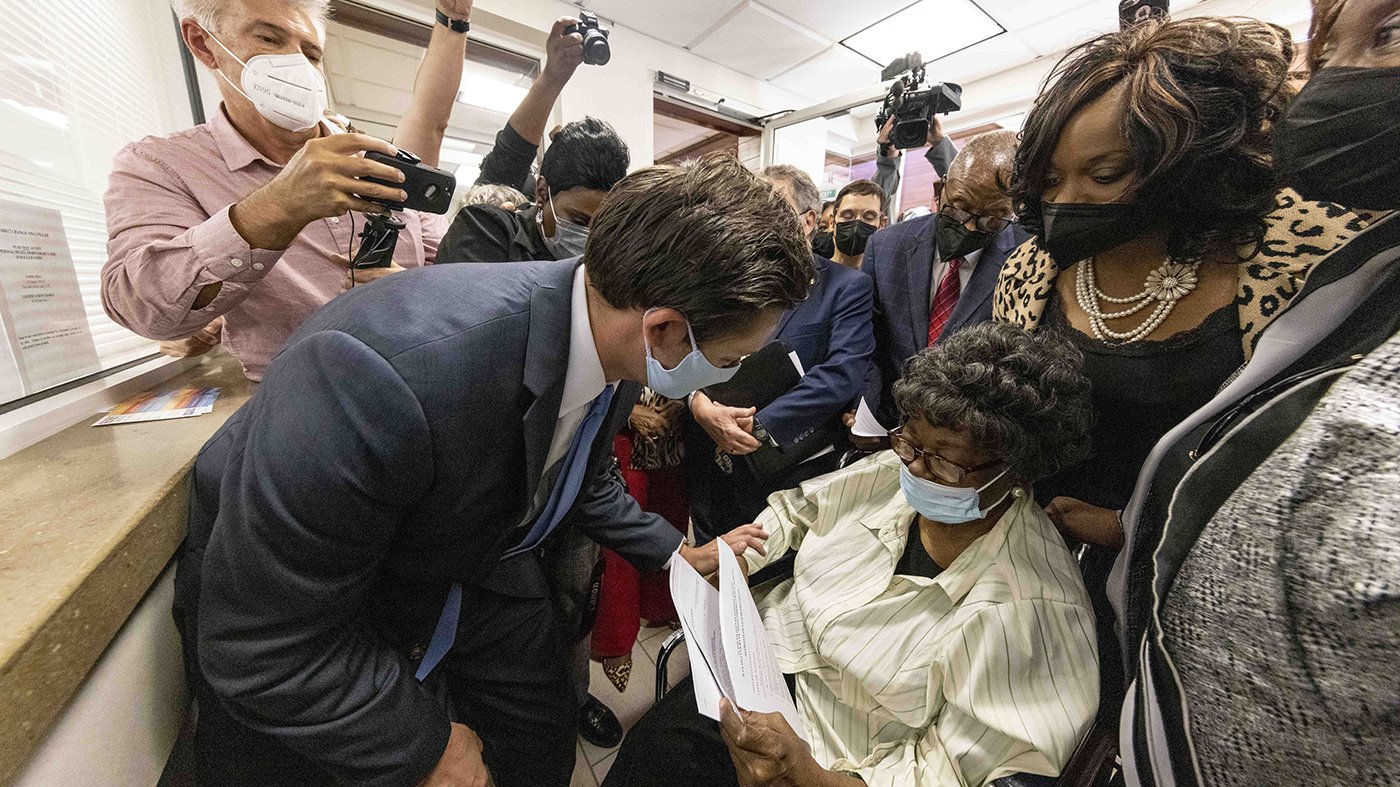
He later became a civil rights lawyer, interning with the Southern Poverty Law Center (SPLC) in law school and serving as a senior policy adviser to Montgomery’s first African American mayor, Steven L. Reed. In 2019, the Montgomery Advertiser named him a “Community Hero.” In 2022, he won a newly redistricted state House seat by canvassing door-to-door, presenting himself as personable, a good listener, and an incurable optimist.
“I have found that when I meet people face to face, they see I am a reasonable, sincere public servant who wants what is best for our state,” Ensler said. “A few hundred additional votes in each county can make the difference in a close race. The vibe I pick up is that people feel the system is not working in their favor and they want leaders who listen to them and offer solutions.”
The Jones/Ensler ticket comes at a critical time for Alabama, which is also deep into efforts to suppress African American congressional representation. The FBI and the State of Alabama are attempting to crush the progressive, Montgomery-based SPLC, which tracks, sues, and sometimes pursues white racist terrorist organizations. Ensler noted that while the lawsuits against SPLC are part of a disturbing political agenda, “it is not an issue I hear Alabamians—especially Black Alabamians—bring up in my daily conversations on the campaign trail.” He added, “I think it’s important to recognize the redistricting fight as part of a long pattern in Alabama of denying Black Alabamians a fair say in government.”
On social media, Ensler has been attacked as a carpetbagger and a Yankee. “He’s not one of us,” said Puckett, who has served on Alabama’s Holocaust commission with Ensler. Ensler acknowledged receiving comments saying they don’t want a Jew from New York, and noted that some rhetoric caught the attention of law enforcement, though nothing amounted to a threat. Puckett said the attacks haven’t worked because Ensler “doesn’t come off that way. He’s not a good old boy, but he...”