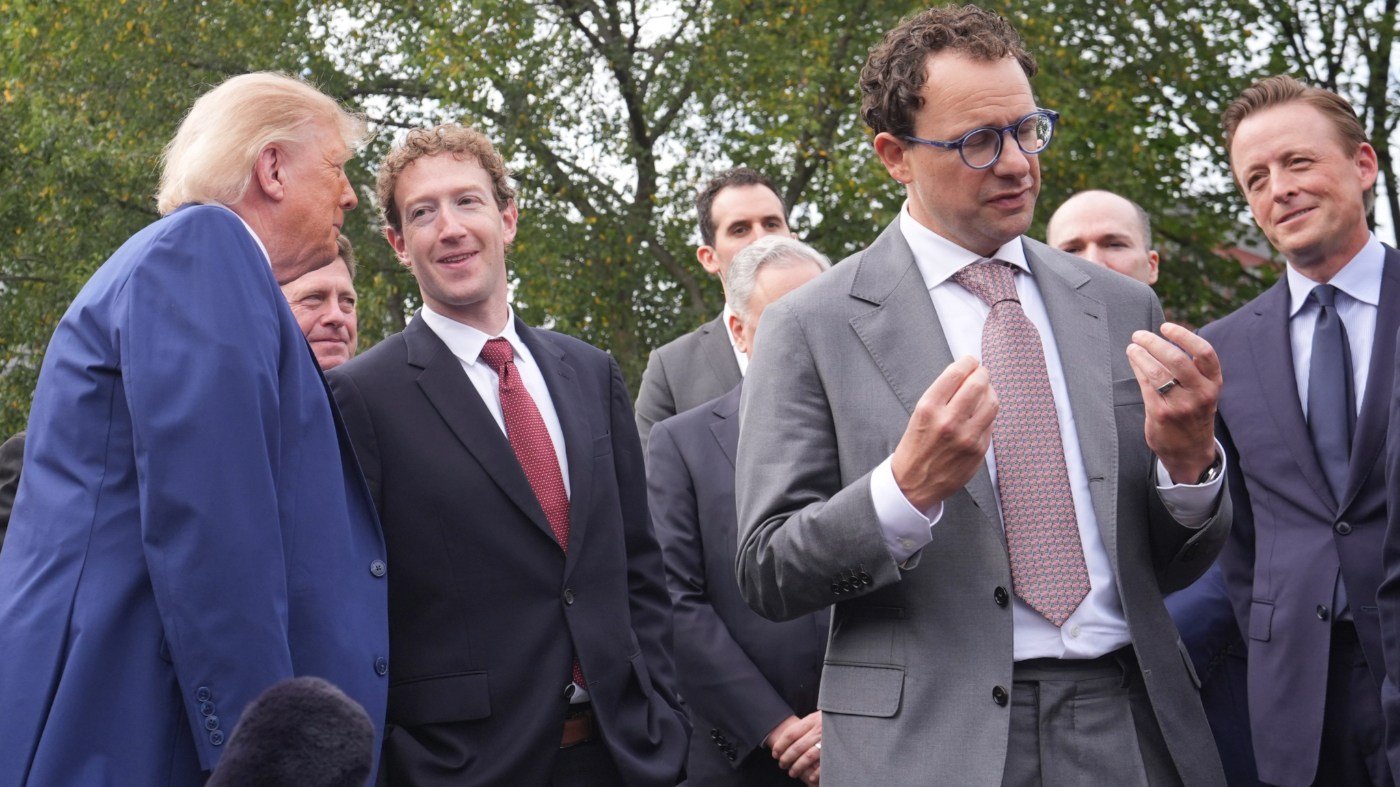
Less than three decades after Congress handed the internet a legal shield it never intended to last, Silicon Valley's next generation is asking for a similar deal. Frontier AI labs, led by Anthropic and its co-founder Dario Amodei, are seeking antitrust waivers and liability protection from lawsuits over what their systems and users generate. The stakes are enormous: Anthropic reportedly plans a $2 trillion initial public offering in October, a valuation roughly 700 times what Netscape commanded in 1995.
The current debate echoes the fight over Section 230 of the Communications Act, a provision drafted to protect dial-up services from lawsuits for moderating content. That shield, co-authored by Chris Cox (R-Calif.) and Ron Wyden (D-Ore.), was meant to encourage responsible self-regulation. Instead, it became the legal foundation for social media giants, letting platforms grow to billions of users without answering for the harm their algorithms amplify. Section 230 has been amended just once in three decades, outliving the companies it was originally designed to protect.
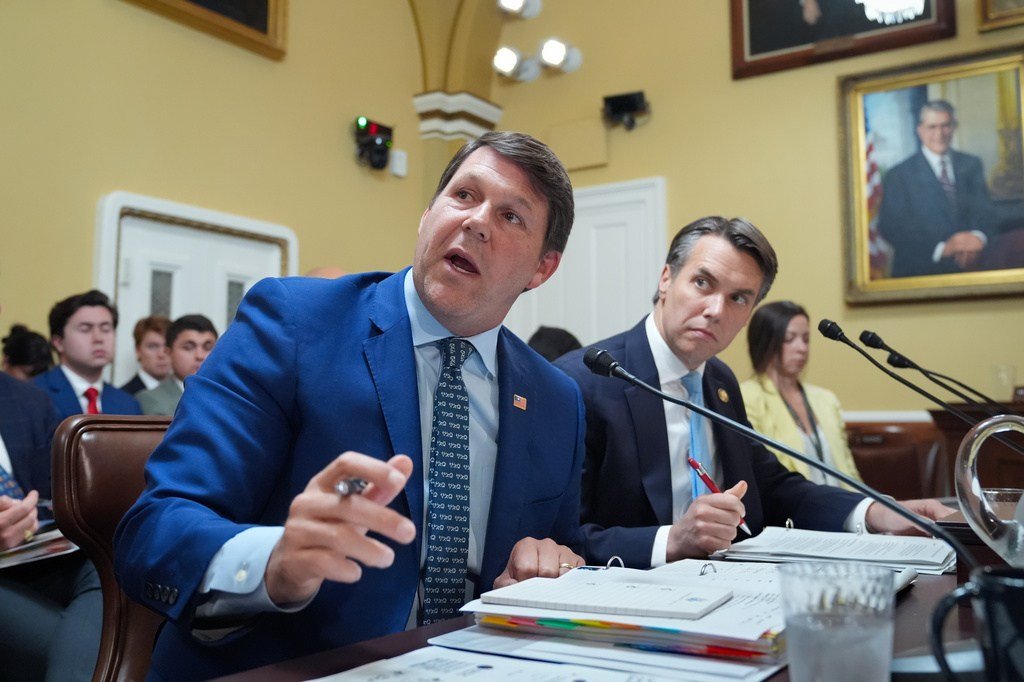
Now, as Amodei's viral essay asks for permission to coordinate safety measures with rivals, and as Congress stalls on AI legislation, the parallel is hard to ignore. Treasury Secretary Scott Bessent told a House committee on Sept. 15 that AI creators should not receive a liability exemption. “The best way to guarantee safety is that the creators are liable for what they build and generate,” he said. His remarks align with a growing bipartisan pushback.
Jonathan Kanter, who led antitrust enforcement under President Biden, told CNBC that frontier labs can adopt safety standards without an antitrust waiver. David Sacks, President Trump's former AI czar, told CBS News that “it is on them to make their products safe,” adding, “If you can't control it, then don't do it.” That sentiment resonates with those who recall the Manhattan Project, where the government owned the labs and the knowledge. Today's AI labs are private and worth more than most economies; no free market would hand them to the state.
The House has recessed until after the midterms with AI bills still pending. Asking Congress to set permanent rules for a technology this poorly understood is like asking a passenger who has never driven to keep a school bus from crashing. The law needs to evolve with the technology, not be frozen in statute during the industry's formative years. A liability shield written today could harden around whoever is largest now, just as Section 230 did around the internet giants of the 2000s.
Amodei is 43, old enough to have studied the Netscape era. The University of Chicago recently barred AI from its core social sciences courses to preserve human thinking skills. That decision underscores a broader lesson: a shield outlasts whomever it was built to protect, and future generations must live with whatever was protected.
Accountability is the price of pursuing profit. You cannot privatize gains, socialize losses, and ask for a permission slip for everything that could go wrong in between. If frontier AI labs believe their technology is that dangerous, they can slow down on their own. They don't need Congress's permission to hit the brakes.
Lawmakers should watch closely as liability questions play out in other industries, and as debates over AI's role in society intensify. The lesson from 1996 is clear: write rules that can change, and don't hand out immutable immunity.